
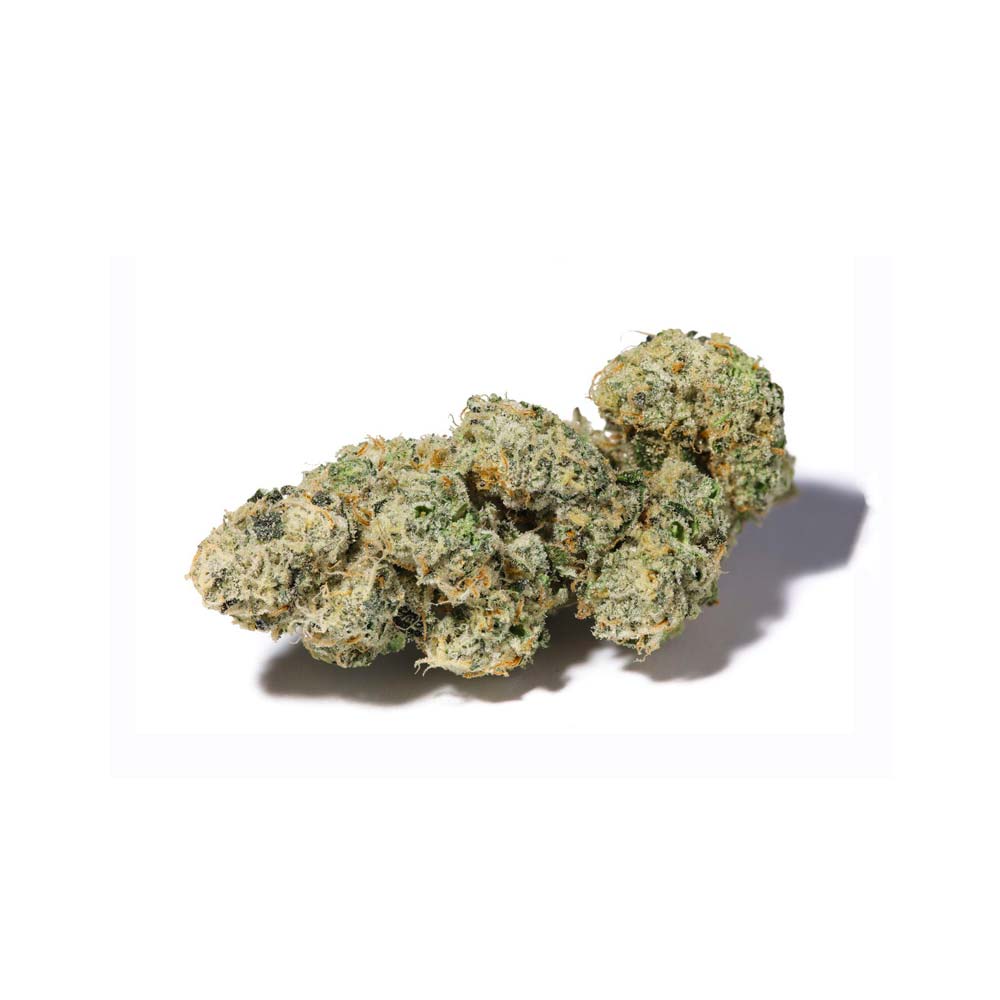
Complete Guide to Reading Cannabis COA in the UK
A Certificate of Analysis (COA) is a laboratory report that documents the chemical composition and safety profile of cannabis products. In the UK, understanding how to read a COA is essential for consumers, particularly those purchasing CBD products or medical cannabis. This guide explains the key sections of a COA and what results indicate quality and safety.
What is a Certificate of Analysis?
A COA is an independent laboratory report that verifies the contents and safety of a cannabis product. Reputable UK suppliers should provide COAs from accredited third-party laboratories. The report tests for cannabinoid potency, terpene profiles, and potential contaminants including pesticides, heavy metals, and microbial pathogens.
Understanding Cannabinoid Potency
The cannabinoid section of a COA typically displays two types of measurements: total cannabinoids and decarboxylated cannabinoids.
What to Look For
| Cannabinoid | Purpose | What’s Acceptable |
|---|---|---|
| CBD (Cannabidiol) | Anti-inflammatory, therapeutic properties | Varies by product; should match label claims |
| THC (Tetrahydrocannabinol) | Psychoactive compound | UK: <0.2% for legal products |
| CBG (Cannabigerol) | Potential neuroprotective benefits | Variable; trace to several percent |
| CBN (Cannabinol) | Sedative properties | Variable; typically <1% |
Decarboxylation: A heating process that converts CBDA to CBD. Look for both CBDA and CBD listed to understand the full picture.
Interpreting Terpene Profiles
Terpenes are aromatic compounds that give cannabis its flavour and aroma. They also contribute to the product’s effects through the “entourage effect.” A comprehensive COA should list major terpenes and their percentages.
Common Terpenes and Their Characteristics
| Terpene | Aroma | Potential Effects |
|---|---|---|
| Myrcene | Earthy, herbal | Relaxing, sedative |
| Limonene | Citrus | Uplifting, mood-enhancing |
| Pinene | Pine, woody | Alertness, memory support |
| Caryophyllene | Spicy, pepper | Anti-inflammatory |
| Linalool | Floral, lavender | Relaxing, anxiolytic |
Contaminant Testing: Pesticides and Residual Solvents
One of the most critical aspects of a COA is contaminant testing. This section verifies that the product is safe for consumption and free from harmful chemicals.
Pesticide Testing
UK laboratories test for common agricultural pesticides. Results should show “Not Detected” or values below established limits for all tested pesticides.
Residual Solvents
Extraction processes may leave solvent residues. The COA should confirm that residual solvent levels meet safety thresholds.
| Solvent | Maximum Safe Level (ppm) | Health Concern |
|---|---|---|
| Ethanol | <5000 | Generally safe in small amounts |
| Butane | <5000 | Carcinogenic at high levels |
| Propane | <5000 | Respiratory irritant |
Heavy Metals Testing
Cannabis plants absorb heavy metals from soil, including lead, cadmium, arsenic, and mercury. A quality COA includes heavy metals testing with results below safety limits.
Safe Heavy Metal Limits (UK guidelines)
- Lead: <2 ppm
- Cadmium: <0.2 ppm
- Arsenic: <0.1 ppm
- Mercury: <0.1 ppm
Microbial and Pathogen Testing
Microbial testing identifies harmful bacteria, moulds, and fungi that could cause infection or illness.
Key Pathogens Tested
- E. coli: Should be absent
- Salmonella: Should be absent
- Total aerobic bacteria: <100,000 CFU/g
- Total moulds and yeasts: <10,000 CFU/g
- Aspergillus: Should be absent or undetectable
Reading Dates and Laboratory Credentials
Always check the testing date. Cannabis degrades over time; a COA from 18 months ago may not reflect the current product’s composition. Verify that the laboratory is accredited through recognised bodies such as ISO/IEC 17025.
COA Verification Checklist
- ? COA is dated within the last 6 months
- ? Laboratory is ISO/IEC 17025 accredited
- ? Laboratory is independent (not owned by the supplier)
- ? Product batch number matches your purchase
- ? Cannabinoid results match product label claims (within ±10%)
- ? THC is below 0.2% (for UK legal products)
- ? No pesticides detected
- ? All heavy metals below safety limits
- ? No pathogenic bacteria or mould detected
- ? Terpene profile is listed
Common Red Flags Summary
- No COA provided or supplier refuses to share it
- COA from an unaccredited or unknown laboratory
- Testing date is over one year old
- THC levels above 0.2% for UK products
- Cannabinoid percentages significantly below label claims
- Detected pesticides, heavy metals, or pathogens
- Inconsistent batch numbers between COA and product
- Missing entire testing sections (pesticides, heavy metals, microbial)
Final Recommendations
Always request a COA before purchasing cannabis products in the UK. Cross-reference the laboratory’s name with the UK’s list of accredited testing facilities. If a supplier cannot or will not provide a COA, avoid the product. Reading a COA may seem technical, but understanding these documents protects your health and ensures you’re purchasing a quality, compliant product.
Further Reading
- Cannabis for Sleep and Insomnia UK — Guide, Prescriptions
- Cannabis for Anxiety UK
- Gorilla Glue #4 Strain — Effects, THC 25%+, UK Guide
- Medical Cannabis Manchester — Clinics, Prescriptions, Guide