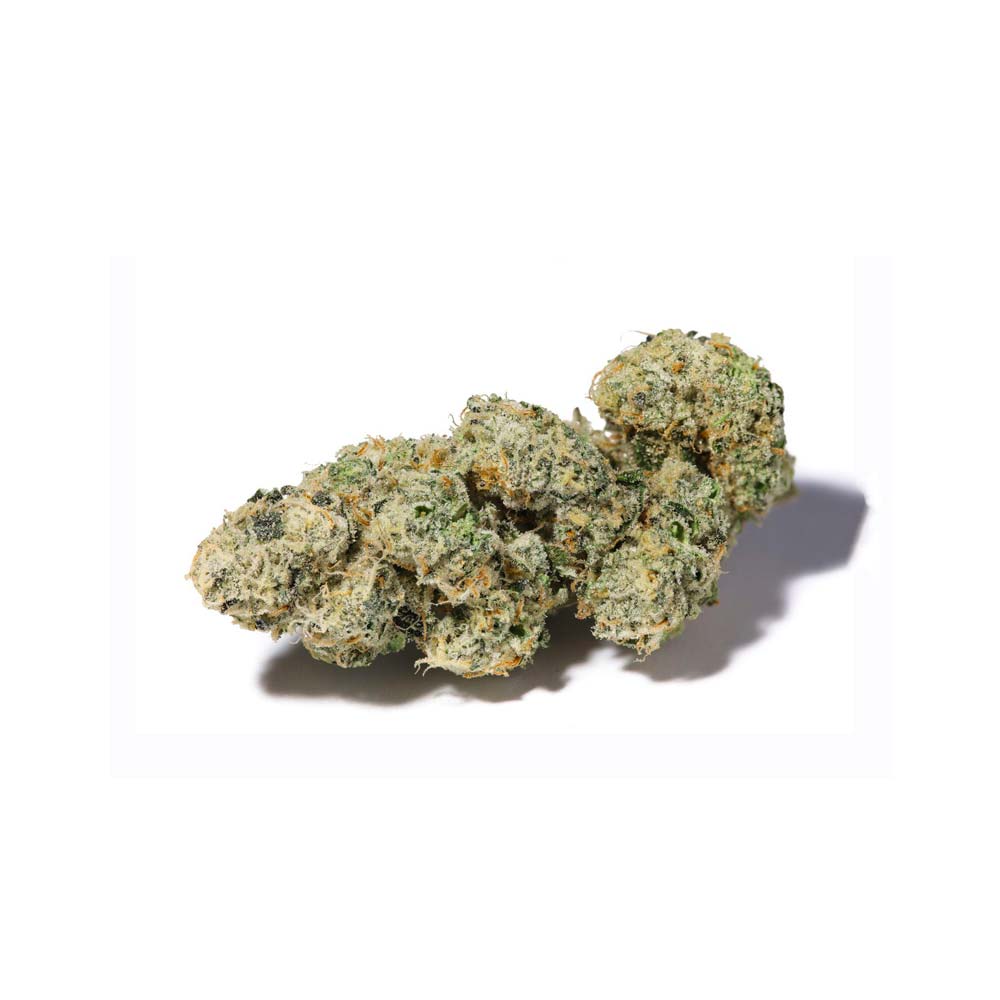
Death Star is a potent indica-dominant hybrid that results from crossing the legendary Sensi Star with the iconic Sour Diesel strain. This powerful combination creates a cannabis variety that has gained significant attention within the UK medical cannabis community for its heavy relaxation properties and distinctive diesel aroma. Understanding this strain’s characteristics, effects, and medical applications is essential for UK patients and enthusiasts considering its use.
Genetic Background and Origins
Death Star inherits its robust genetics from two heavyweight parent strains. Sensi Star, a pure indica known for its compact structure and resinous buds, contributes deep relaxation and sedative properties. Sour Diesel, a potent sativa-dominant hybrid, brings its famous diesel aroma and energetic qualities into the mix. The resulting hybrid leans predominantly towards its indica heritage, making Death Star an excellent choice for those seeking powerful body-focused effects rather than cerebral stimulation.
The strain’s name reflects its impressive potency and visual appearance. When cultivated properly, Death Star plants produce dense, sparkly buds covered in trichomes, creating an almost crystalline appearance that resembles the fictional space station from Star Wars.
One of Death Star’s most distinctive characteristics is its pungent diesel aroma. Upon opening a container, users immediately encounter a strong, unmistakable fuel-like scent that dominates the olfactory experience. This diesel base is complemented by undertones of citrus, earthiness, and subtle herbal notes. Some users report hints of sweetness buried beneath the dominant fuel-forward profile.
When consumed, Death Star’s flavour tends to be robust and somewhat harsh. The diesel notes translate directly to the smoking or vaping experience, with additional citrus and spicy undertones becoming more apparent on the exhale. This strain is not for those seeking a smooth, subtle taste experience—it delivers boldly and unapologetically.
Appearance and Growth Characteristics
Death Star plants typically display typical indica characteristics: compact growth patterns, sturdy branches, and dense flowering. The buds are notably resinous and covered extensively with trichomes, contributing to the strain’s impressive visual appeal and potency. Flower colouring typically ranges from deep green to purple tones, depending on growing conditions and phenotype.
For cultivators, Death Star is considered moderately challenging to grow. The strain prefers consistent temperatures and humidity control, responding well to training techniques that maximise light penetration. Flowering time typically ranges from eight to nine weeks, with decent yields when cultivated properly. In the UK, indoor growing remains the most practical option given the climate requirements.
Cannabinoid Profile and Potency
Death Star is renowned for its high THC content, typically ranging between 18-26% depending on cultivation methods and specific phenotypes. This makes it a heavyweight in terms of potency, suitable primarily for experienced users rather than newcomers to cannabis consumption. CBD content is generally minimal, usually under 1%, which means the psychoactive effects are not significantly moderated by cannabidiol’s balancing properties.
This cannabinoid profile makes Death Star particularly relevant for medical users seeking strong psychoactive effects alongside physical relief. The high THC concentration combined with low CBD means patients should approach this strain cautiously and use lower doses initially to assess their tolerance.
Effects and Experience
Death Star lives up to its potent reputation with heavy relaxation that quickly settles throughout the body. Users typically report initial cerebral effects that are relatively short-lived, with a rapid transition to profound physical relaxation. The strain’s indica dominance becomes immediately apparent as a weighty sensation spreads through muscles and limbs.
Most users experience deep couch-lock effects, making Death Star ideal for evening or nighttime consumption when productive activities are not planned. Mental effects tend toward relaxation and mental clarity rather than intense euphoria, creating a grounded, stable headspace. Some users report mild paranoia at higher doses, particularly those with lower cannabis tolerance.
The relaxation effects typically persist for 2-4 hours, with residual physical relaxation extending the overall experience. Many users find Death Star excellent for creating a sense of calm contentment without the anxiety sometimes associated with stronger sativa-dominant strains.
Medical Applications in the UK
Within the UK’s medical cannabis framework, Death Star presents valuable applications for several conditions. Chronic pain patients benefit significantly from the strain’s powerful body relaxation and sedative properties. The heavy physical effects can provide relief from muscle tension, spasticity, and general pain conditions that respond well to indica-dominant cannabis.
Insomnia represents another key medical application. Death Star’s sedative effects and ability to promote deep relaxation make it particularly suitable for patients struggling with sleep disturbances. Evening use typically facilitates easier sleep onset and potentially deeper, more restorative sleep cycles.
Anxiety and stress management may benefit from Death Star’s calming effects, though the high THC content means careful dosing is essential. Patients with anxiety should consider starting with very small doses to avoid triggering paranoid effects. Additionally, patients with appetite issues may find Death Star helpful in stimulating hunger and facilitating food intake.
Consumption Methods and Dosing
Given Death Star’s potency, careful dosing is crucial for both recreational and medical users. For smoking or vaping, starting with small amounts and titrating upward remains the safest approach. Vaporisation may provide a slightly smoother experience than smoking, while preserving more delicate flavour notes beneath the dominant diesel profile.
For medical users in the UK receiving cannabis through legal channels, edibles or oils may be dispensed. These consumption methods provide more precise dosing and longer-lasting effects, making them ideal for managing chronic conditions. However, edible effects develop more slowly and persist considerably longer than inhaled methods.
Growing Considerations for UK Cultivators
Those cultivating Death Star in the UK should maintain temperatures between 18-24°C and humidity levels around 40-50% during flowering. The strain appreciates adequate spacing to prevent moisture-related issues and benefits from training techniques such as topping or screen of green methods.
Conclusion
Death Star represents a powerful option for UK medical cannabis patients seeking heavy relaxation and significant symptom relief. Its distinctive diesel aroma, impressive potency, and indica-dominant effects make it a strain worthy of consideration within the legal medical cannabis framework.
Medical Disclaimer: The information on this page is for educational purposes only and does not constitute medical advice. Always consult a licensed healthcare professional before starting any new treatment.
https://cannazen.co.uk/wp-content/uploads/2026/01/cosmic-mac-cannabis-doctor-prescription-pharmacy-shop-blute.jpg10001000CannaZen UK Editorial Teamhttps://cannazen.co.uk/wp-content/uploads/2026/01/cannazen-shop-lieferung-cannabis-weed-hemp-online.svgCannaZen UK Editorial Team2026-05-14 20:58:392026-05-23 10:53:39Death Star Strain UK – Indica Effects Guide
We may request cookies to be set on your device. We use cookies to let us know when you visit our websites, how you interact with us, to enrich your user experience, and to customize your relationship with our website.
Click on the different category headings to find out more. You can also change some of your preferences. Note that blocking some types of cookies may impact your experience on our websites and the services we are able to offer.
Essential Website Cookies
These cookies are strictly necessary to provide you with services available through our website and to use some of its features.
Because these cookies are strictly necessary to deliver the website, refusing them will have impact how our site functions. You always can block or delete cookies by changing your browser settings and force blocking all cookies on this website. But this will always prompt you to accept/refuse cookies when revisiting our site.
We fully respect if you want to refuse cookies but to avoid asking you again and again kindly allow us to store a cookie for that. You are free to opt out any time or opt in for other cookies to get a better experience. If you refuse cookies we will remove all set cookies in our domain.
We provide you with a list of stored cookies on your computer in our domain so you can check what we stored. Due to security reasons we are not able to show or modify cookies from other domains. You can check these in your browser security settings.
Google Analytics Cookies
These cookies collect information that is used either in aggregate form to help us understand how our website is being used or how effective our marketing campaigns are, or to help us customize our website and application for you in order to enhance your experience.
If you do not want that we track your visit to our site you can disable tracking in your browser here:
Other external services
We also use different external services like Google Webfonts, Google Maps, and external Video providers. Since these providers may collect personal data like your IP address we allow you to block them here. Please be aware that this might heavily reduce the functionality and appearance of our site. Changes will take effect once you reload the page.
Google Webfont Settings:
Google Map Settings:
Google reCaptcha Settings:
Vimeo and Youtube video embeds:
Other cookies
The following cookies are also needed - You can choose if you want to allow them:
Privacy Policy
You can read about our cookies and privacy settings in detail on our Privacy Policy Page.