
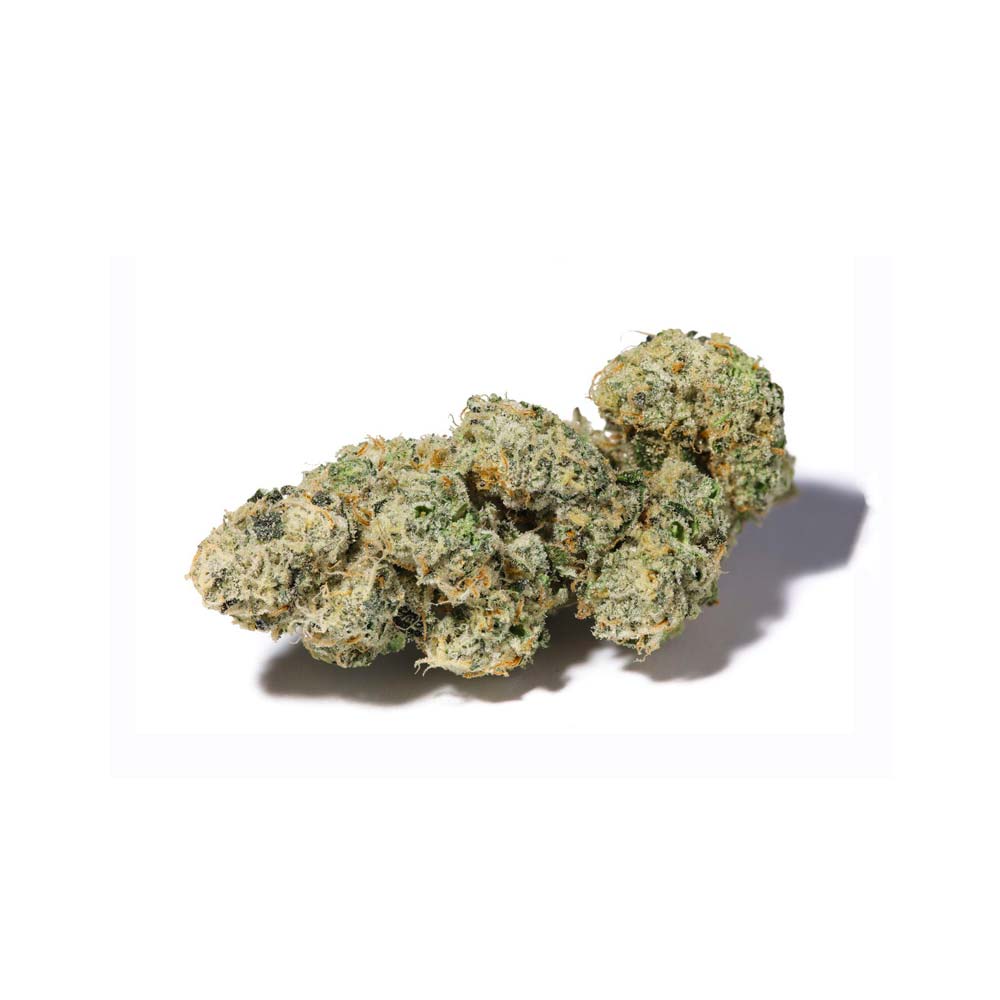
Death Star Strain: Complete UK Cannabis Guide
The Death Star strain has gained significant recognition among UK cannabis enthusiasts and medical patients alike. This comprehensive guide covers everything you need to know about this potent hybrid, from its genetic lineage to its therapeutic applications within the UK’s evolving medical cannabis landscape.
Death Star Strain Genetics & Lineage
Death Star is a hybrid cannabis strain created by crossing two renowned parent strains: Sensi Star and Jack Herer. This cross combines the best characteristics of both cultivars, resulting in a well-balanced hybrid that leans slightly towards the indica side.
Sensi Star contributes dense, resinous flowers and a heavy, relaxing body effect, whilst Jack Herer—a legendary sativa-dominant hybrid—adds cerebral stimulation and creative energy. The resulting Death Star strain offers users a sophisticated blend of physical relaxation and mental clarity, making it suitable for various consumption occasions.
The strain was developed to achieve consistency in potency and effect profile, becoming a favourite among both recreational users and medical cannabis patients in jurisdictions where cultivation is permitted. Its popularity has steadily increased in the UK since medical cannabis became legal in 2018.
THC & CBD Content
Death Star is classified as a high-THC strain, with cannabinoid profiles typically ranging as follows:
- THC Content: 18–25% (occasionally reaching up to 28%)
- CBD Content: Less than 1% (trace amounts)
- CBN Content: Minimal (less than 0.5%)
The high THC concentration makes Death Star a potent option, particularly suited to experienced cannabis users. Those new to cannabis should approach this strain cautiously and start with smaller doses. The minimal CBD content means this strain does not deliver the balancing, anti-anxiety effects associated with CBD-rich cannabis products.
UK medical cannabis patients considering Death Star should consult their prescribing clinician, as THC-dominant strains require careful dosing and monitoring for individual tolerance levels and specific medical conditions.
Effects of Death Star Strain
Users of Death Star typically report a well-rounded experience combining both mental and physical effects. Here are the primary effects commonly associated with this strain:
- Euphoria and elevated mood
- Deep relaxation and body calm
- Enhanced focus and mental clarity
- Creative stimulation and idea generation
- Increased sociability and chattiness
- Mild sedation (particularly at higher doses)
- Heightened sensory perception
- Pain relief and muscle relaxation
The onset of effects typically occurs within 10–15 minutes when smoked, or 30–120 minutes when consumed as edibles. Duration generally extends 2–4 hours for smoked cannabis, or 4–8 hours for oral consumption.
Most users find Death Star suitable for evening or weekend use, though some appreciate its balanced hybrid nature for daytime consumption. Individual responses vary significantly based on personal tolerance, body weight, metabolism, and consumption method.
Terpene Profile
Death Star’s distinctive effects and flavour largely derive from its terpene composition. The strain exhibits a notable terpene profile, with the following compounds typically dominant:
- Myrcene: The most abundant terpene, contributing sedative and anti-inflammatory properties
- Limonene: Adds citrus notes and provides mood elevation and stress relief
- Pinene: Delivers pine flavours whilst supporting alertness and memory function
- Caryophyllene: Provides spicy undertones and possesses anti-inflammatory benefits
- Humulene: Contributes woody notes and may offer appetite-suppressing effects
The myrcene-dominant profile explains Death Star’s reputation for relaxation, whilst secondary terpenes provide complexity and balance. This terpene composition supports the “entourage effect”—the synergistic interaction of cannabinoids and terpenes that enhances overall therapeutic potential.
Flavour & Aroma
Death Star delivers a complex sensory experience. Users typically describe the aroma as pungent and earthy, with distinct undertones of:
- Sweet citrus and lemon
- Woody and pine notes
- Subtle spicy pepper
- Herbal and slightly floral hints
The flavour profile when smoked or vaporised mirrors the aroma closely, offering a smooth smoke with predominantly citrus and earthy tones. Many users appreciate the pleasant taste compared to harsher cannabis strains. The aroma intensity is notable—Death Star produces a distinctly detectable smell both during and after consumption.
Medicinal Uses & UK Medical Cannabis
Within the UK’s medical cannabis framework, Death Star may benefit patients experiencing specific conditions. Since November 2018, registered medical practitioners in the UK can legally prescribe cannabis-based medicinal products for patients where unlicensed cannabis is appropriate.
Death Star’s high THC content and balanced effects may offer therapeutic potential for:
- Chronic pain conditions (arthritis, neuropathy, fibromyalgia)
- Multiple sclerosis-related spasticity
- Treatment-resistant epilepsy
- Chemotherapy-induced nausea and vomiting
- Anxiety disorders (in appropriate doses)
- Insomnia and sleep disturbances
- Loss of appetite
However, THC-dominant strains like Death Star are typically prescribed when CBD-rich alternatives have proven insufficient. The high THC content necessitates careful patient selection, thorough medical evaluation, and ongoing monitoring.
UK Medical Cannabis Availability
Accessing Death Star or similar strains through the UK medical cannabis programme requires several steps. Patients must:
- Consult with a registered specialist doctor or authorised clinician
- Undergo proper medical assessment confirming eligible conditions
- Receive a private prescription (NHS prescription remains exceptionally rare)
- Obtain products from licenced suppliers authorised by the UK Medicines and Healthcare products Regulatory Agency (MHRA)
Private clinics specialising in medical cannabis now operate throughout the UK, offering telemedicine consultations. Licensed suppliers stock various cannabis strains and formulations, though Death Star availability varies. Costs typically range from £5–15 per gram, with consultations costing £150–300.
The regulatory landscape continues evolving. Currently, only patients with specific conditions—particularly epilepsy, chemotherapy side effects, and MS spasticity—have realistic chances of NHS prescriptions.
Conclusion
Death Star strain represents a potent, well-balanced hybrid offering both recreational satisfaction and potential therapeutic benefits. Its notable THC content demands respect and careful dosing, particularly for medical patients. Within the UK’s medical cannabis framework, Death Star remains accessible to eligible patients through private prescription, though CBD-rich alternatives remain first-line choices for most conditions.
Anyone considering Death Star—whether for recreational enjoyment or medical purposes—should thoroughly research this strain, understand local regulations, and consult appropriate healthcare professionals before use.