
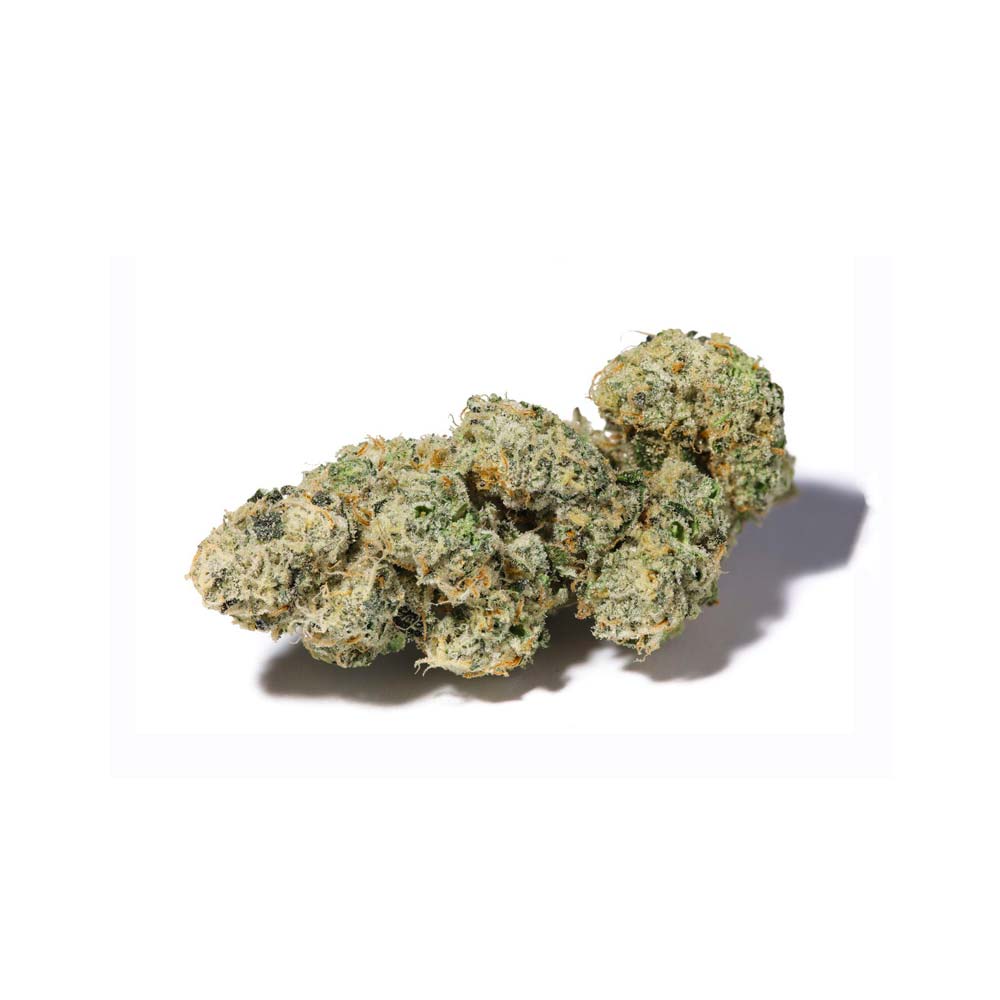
CBG (Cannabigerol): The Mother Cannabinoid – UK Medical Guide
What is CBG? Understanding the Molecular Basics
Cannabigerol, commonly abbreviated as CBG, is a non-intoxicating cannabinoid found in cannabis and hemp plants. It holds a special place in cannabinoid chemistry as the precursor to many other cannabinoids, earning it the nickname “the mother cannabinoid.” All other major cannabinoids—including CBD and THC—are synthesised from CBG through specific enzymatic processes as the plant matures.
At the molecular level, CBG is a simple organic compound featuring a phenolic group and a long alkyl side chain. The molecular structure remains consistent whether CBG originates from hemp or cannabis plants, though the concentration varies significantly. Young cannabis plants typically contain higher CBG concentrations, which gradually converts into other cannabinoids during the growing and curing process. This is why CBG products are still relatively rare compared to CBD and THC-dominant options.
The endocannabinoid system, a natural regulatory network in the human body, interacts with CBG through various receptor pathways. Unlike THC, CBG does not produce intoxicating effects, making it an attractive option for patients seeking therapeutic benefits without impairment.
Effects, Benefits, and Current Research Evidence
Research into CBG remains in its early stages compared to CBD and THC, but preliminary findings suggest several promising therapeutic applications. CBG appears to interact with both CB1 and CB2 receptors in the endocannabinoid system, as well as serotonin and dopamine receptors, creating a unique pharmacological profile.
Several areas of research interest have emerged. Studies indicate CBG may possess anti-inflammatory properties, making it potentially useful for inflammatory conditions. Laboratory research suggests CBG could have antimicrobial activity, though human trials remain limited. Some preclinical evidence points to possible neuroprotective effects, which researchers are investigating for neurodegenerative conditions. Additionally, CBG has shown promise in preliminary research for glaucoma management, as it may help reduce intraocular pressure.
Animal studies have suggested CBG may support mood regulation and stress responses, though human clinical evidence is currently insufficient to make definitive claims. Some patients report that CBG offers mild analgesic properties, though robust clinical evidence in humans is still developing. The limited but growing body of research suggests CBG may work synergistically with other cannabinoids through the “entourage effect,” potentially enhancing therapeutic outcomes.
It is crucial to understand that whilst preliminary research is encouraging, CBG is not yet approved for specific medical conditions within the UK healthcare system. Most current evidence comes from laboratory and animal studies rather than large-scale human trials. Patients considering CBG should discuss potential benefits and limitations with their healthcare provider.
How UK Medical Cannabis Patients Access and Use CBG
Accessing CBG products in the UK depends primarily on the product’s legal classification. Patients seeking medical cannabis UK options containing CBG must navigate the regulatory framework, which differentiates between CBD-dominant products and THC-containing medical cannabis.
For CBD-predominant products containing trace amounts of CBG, patients can purchase legally available CBD oil UK products that comply with UK regulations. These products typically contain less than 1mg of THC and can be purchased through licensed retailers without a prescription. Many CBD brands now offer broad-spectrum or full-spectrum products that include CBG alongside other minor cannabinoids.
For medical cannabis prescriptions containing CBG as part of a full-plant formulation, patients must navigate the NHS prescription pathway. Since November 2018, cannabis-derived medicinal products became available on NHS prescription, though access remains restricted to specific conditions and when conventional treatments have proven insufficient. Patients must typically be referred to a specialist clinic, usually through their GP or a private consultation with a medical best UK cannabis clinics. The prescription must come from a doctor registered with the General Medical Council, and currently, few NHS services routinely prescribe cannabis products.
Private best UK cannabis clinics throughout the UK offer alternative access routes for patients willing to self-fund. These clinics can prescribe cannabis flowers or oil preparations containing CBG, though costs typically range from £150-£500 per month. Products are usually dispensed through registered cannabis pharmacies or post by secure courier.
Usage methods vary depending on the product format. CBD oils containing CBG are typically administered sublingually (under the tongue), where they are held for 60-90 seconds before swallowing. Some patients prefer adding oils to food or beverages. Medical cannabis products may be inhaled using vaporisers, which allow precise temperature control and are preferred to smoking from a health perspective. Other options include capsules, edibles, or topical preparations, though availability depends on the specific product and pharmacy.
Legal Status of CBG in the UK
The legal status of CBG in the UK is primarily determined by the product’s THC content and overall classification. CBD products containing less than 1mg of THC are classified as food supplements and are legal to purchase without prescription. Many CBD oil UK products now include CBG and other minor cannabinoids within these legal parameters, making them accessible through online retailers and health shops.
However, cannabis-derived medicinal products containing meaningful quantities of THC alongside CBG remain classified as Schedule 2 controlled drugs. These require a prescription from an authorised healthcare provider and can only be dispensed by registered pharmacies. This restriction reflects the legal distinction between hemp-derived products (under 1mg THC) and cannabis-derived medical products (higher THC content).
It is essential to verify that any CBG product purchased complies with UK regulations. Legitimate products should display clear labelling indicating THC and CBD content, and retailers should operate within legal frameworks. Products not complying with these regulations face potential seizure and legal consequences.
Practical Advice for UK Patients
Before starting any CBG product, consult your healthcare provider, particularly if you are taking medications, as cannabinoids can interact with certain drugs, especially those metabolised by cytochrome P450 enzymes. Your doctor needs to understand your complete treatment plan.
When selecting CBD oil UK products containing CBG, choose reputable suppliers who provide third-party laboratory testing certificates confirming cannabinoid content and purity. Avoid products making exaggerated therapeutic claims, as CBG remains largely unproven for most conditions.
Start with low doses when beginning any CBG product, gradually increasing as needed whilst monitoring effects. Keep detailed records of symptom changes, dosage, and any side effects, which will help you and your healthcare provider assess effectiveness.
For patients interested in medical cannabis UK products containing CBG, explore NHS pathways first if eligible, then consider private clinics if NHS access proves unavailable. Budget for ongoing costs if choosing private prescriptions.
Remember that CBG research is still developing, and individual responses vary significantly. Managing expectations and maintaining realistic views about potential benefits ensures safe and appropriate use.