
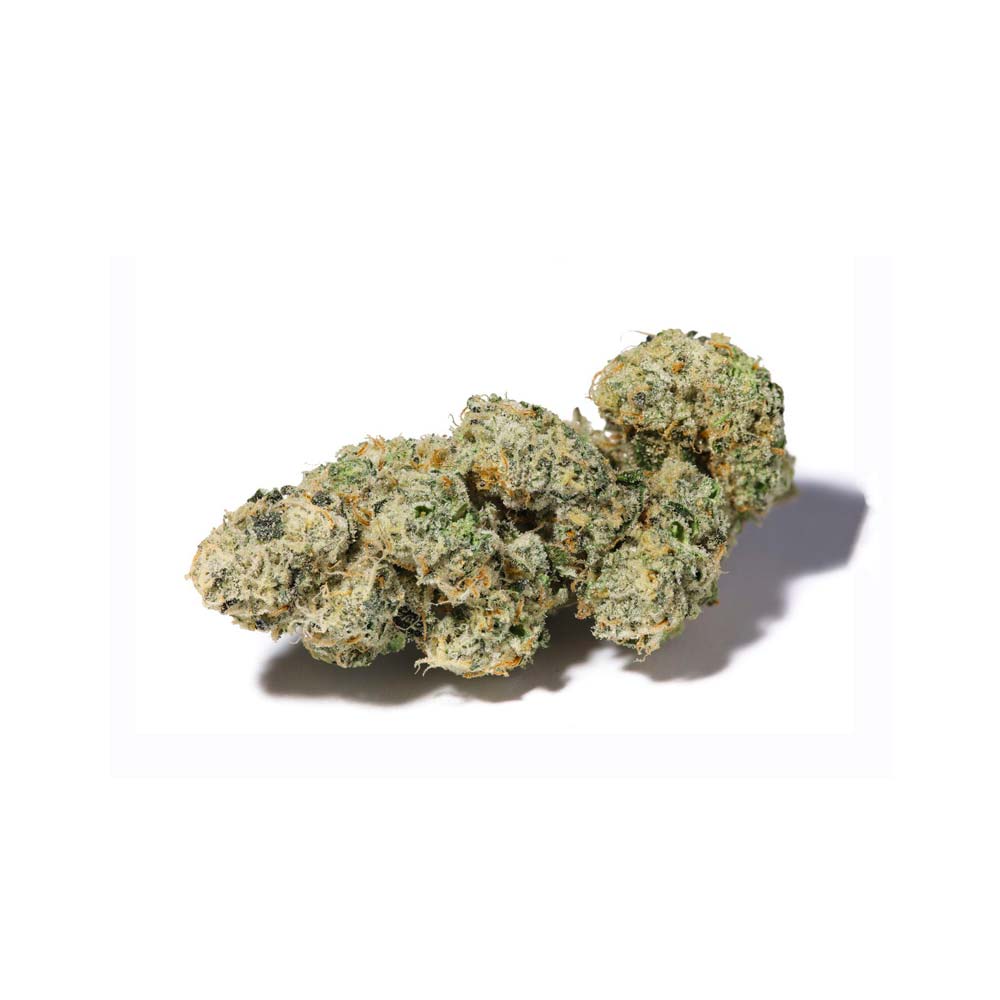
Cannabis for Vestibular Migraine and Vertigo in the UK
Vestibular migraine represents one of the most common causes of vertigo in the general population, affecting approximately 1% of people and accounting for up to 25% of all vertigo cases. This debilitating condition combines migraine characteristics with vestibular dysfunction, resulting in dizziness, balance problems, and disorientation that can persist for hours or days. Current treatment options remain limited, prompting increasing interest in cannabis-based therapies as a potential alternative.
The Endocannabinoid System in the Inner Ear
Recent neuroscience research has revealed that the endocannabinoid system plays a crucial regulatory role within the inner ear and vestibular system. The inner ear contains two main types of cannabinoid receptors: CB1 and CB2 receptors. CB1 receptors are predominantly found on neuronal tissue within the vestibular nuclei and related balance-processing centres in the brain, while CB2 receptors appear on immune cells and supporting cells throughout the inner ear.
The endocannabinoids anandamide and 2-arachidonoylglycerol act as natural signalling molecules that modulate vestibular function, proprioception, and balance processing. These compounds help regulate the sensitivity of vestibular receptors and may influence the inflammatory cascade that often accompanies migraine attacks. When endocannabinoid signalling becomes dysregulated, this may contribute to both migraine susceptibility and vestibular dysfunction. Cannabis phytocannabinoids, particularly CBD and THC, can interact with these same receptors, potentially restoring balance to a disrupted system.
Evidence for Cannabis Efficacy
While comprehensive clinical trials specifically investigating cannabis for vestibular migraine remain limited in the UK and internationally, existing evidence suggests promise across several mechanisms. Studies have demonstrated that cannabinoids possess anti-inflammatory properties relevant to migraine pathophysiology. Neuroinflammation, mediated by TRPV1 channels and microglia activation, is now recognised as central to migraine generation.
Preclinical research indicates that CBD activates 5-HT1A serotonin receptors, a pathway implicated in migraine prevention. This is particularly significant because traditional migraine preventatives like triptans work through serotonergic mechanisms. Additionally, both CBD and THC modulate CGRP (calcitonin gene-related peptide), a neuropeptide extensively involved in migraine pathogenesis. Elevated CGRP levels characterise migraine sufferers, and monoclonal antibodies against CGRP represent cutting-edge conventional treatment.
Regarding vertigo specifically, anecdotal reports from patients suggest cannabis reduces dizziness intensity and associated anxiety, which itself can exacerbate vestibular symptoms. The anxiolytic properties of CBD may interrupt the anxiety-vertigo cycle common in vestibular conditions. Furthermore, cannabis may enhance central nervous system compensation mechanisms that naturally help patients habituate to vestibular dysfunction over time.
Cannabinoid Profiles and Strain Selection
For vestibular migraine management, CBD-dominant or balanced CBD:THC ratios typically offer advantages over THC-dominant products. CBD provides anti-inflammatory and anxiolytic benefits without intoxication, making it suitable for daytime use and maintaining cognitive function necessary for balance. Ratios such as 20:1, 10:1, or 1:1 CBD:THC products allow patients to benefit from both cannabinoids’ synergistic effects through the entourage phenomenon.
Terpenes present in cannabis products may provide additional therapeutic value. Myrcene exhibits sedative properties useful during acute migraine episodes, while pinene may enhance alertness. Full-spectrum products containing the complete plant matrix generally provide better therapeutic outcomes than isolated CBD, supporting the entourage effect hypothesis.
Medical Cannabis Access in the UK
Following the 2018 legislative change, medical cannabis became accessible in the UK under specialist prescription. However, access remains restricted and highly regulated. Only specialist consultants—typically neurologists, pain specialists, or other appropriate medical professionals—can prescribe cannabis-based medicinal products (CBMPs).
Patients seeking cannabis for vestibular migraine should first consult their GP, requesting referral to a neurology specialist with experience in cannabis prescribing. The best UK cannabis clinics must establish that conventional treatments have proven inadequate, partly ineffective, or intolerable. Documentation of previous treatment attempts is essential. Private clinics specialising in cannabis medicine have emerged across the UK, offering faster access than NHS services, though treatment costs between £150-400 monthly.
Available Products and Administration Routes
UK-licensed cannabis products include Sativex (nabiximols spray), Epidyolex (CBD oral solution), and imported flower available for vaporisation. For vestibular migraine, oral preparations, sublingual sprays, and vaporised flower offer predictable dosing and rapid onset. Vaporisation avoids smoking-associated lung irritation and provides faster symptom relief during acute episodes, typically within 15-30 minutes.
Starting doses typically begin at 2.5-5mg CBD daily, titrating upward based on symptom response and tolerability. THC-containing products usually commence at 2.5mg THC, increasing gradually. Treatment optimisation often requires 8-12 weeks of consistent use to assess full benefit.
Conclusion
Cannabis demonstrates substantial therapeutic potential for vestibular migraine management through multiple evidence-supported mechanisms, particularly via endocannabinoid system regulation within the inner ear and central nervous system. While high-quality clinical trials remain necessary, current evidence supports cautious optimism. UK patients should engage with specialist healthcare providers to explore whether medical cannabis represents an appropriate treatment option within their individual clinical context.