
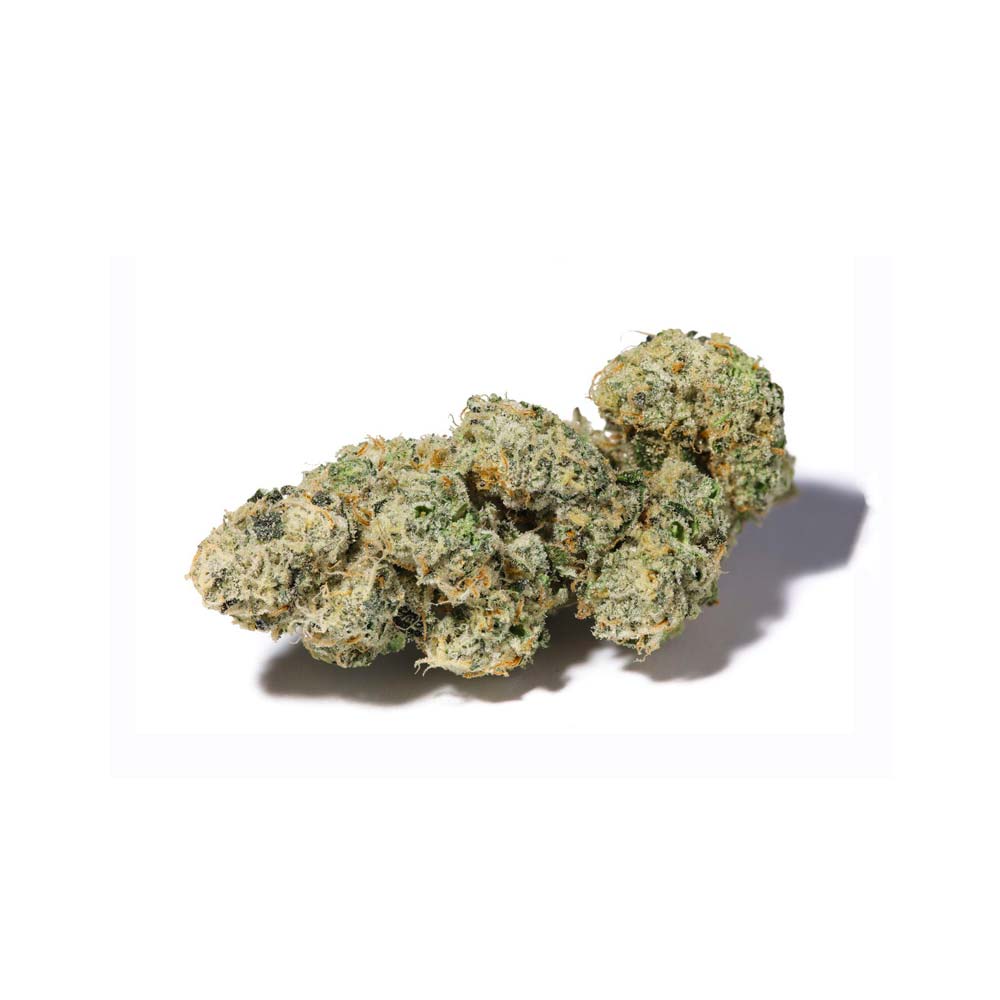
Medical Cannabis for Elderly UK Patients: Complete Guide
The use of medical cannabis in the UK has expanded significantly in recent years, with growing recognition of its potential benefits for elderly patients. As the older population increasingly seeks alternative treatment options for chronic conditions, understanding how medical cannabis can be safely integrated into existing treatment regimens is essential. This comprehensive guide explores the key considerations for elderly UK patients considering medical cannabis therapy.
Common Conditions Treated in Elderly UK Patients
Elderly patients in the UK are exploring medical cannabis for several prevalent age-related conditions that significantly impact quality of life.
Chronic Pain
Chronic pain affects a substantial proportion of the UK elderly population, often resulting from arthritis, back problems, or previous injuries. Medical cannabis, particularly preparations containing both CBD and THC, has shown promise in managing persistent pain that proves resistant to conventional analgesics. The endocannabinoid system plays a crucial role in pain modulation, making cannabis-based medicines a potentially valuable option for patients experiencing inadequate relief from traditional painkillers.
Arthritis and Joint Pain
Osteoarthritis and rheumatoid arthritis are extremely common in older patients, causing inflammation, stiffness, and significant functional limitations. Medical cannabis products with anti-inflammatory properties may help reduce both pain and inflammation associated with these conditions, potentially improving mobility and daily functioning.
Sleep Disturbances
Sleep problems are prevalent among elderly UK patients and can significantly impact overall health and wellbeing. Medical cannabis, particularly products with higher CBD content, may help improve sleep quality and duration without the dependency risks associated with some conventional sedatives.
Neuropathic Pain
Peripheral neuropathy, often resulting from diabetes or chemotherapy, causes burning, tingling, and shooting pains that are notoriously difficult to treat. Medical cannabis has demonstrated efficacy in managing neuropathic pain symptoms in clinical studies, offering an important option for patients with limited alternative treatments.
Drug Interactions with Common Elderly Medications
Elderly patients typically take multiple medications, making drug interaction assessment critical before starting medical cannabis therapy.
Blood Thinners and Anticoagulants
Patients taking warfarin, apixaban, rivaroxaban, or other anticoagulants must exercise caution with medical cannabis. Cannabis can interact with the cytochrome P450 enzyme system, potentially affecting the metabolism of blood thinners. Close monitoring of INR levels and dosage adjustments may be necessary when cannabis is introduced. Regular blood tests are essential to ensure therapeutic anticoagulation is maintained.
Antihypertensive Medications
Cannabis can have a mild hypotensive effect, which may interact with blood pressure medications including ACE inhibitors, beta-blockers, and calcium channel blockers. While interactions are typically not severe, elderly patients with cardiovascular conditions should have their blood pressure monitored regularly when commencing medical cannabis to ensure stability.
Other Common Drug Interactions
Medical cannabis may interact with sedatives, benzodiazepines, antidepressants, and opioid medications. Enhanced sedation is a particular concern in elderly patients who may already experience dizziness or balance problems. Comprehensive medication reviews with healthcare providers are essential before initiating medical cannabis therapy.
Starting Low and Going Slow: The Essential Principle for Elderly Patients
The “start low, go slow” approach is fundamental when introducing medical cannabis to elderly patients. This conservative strategy minimizes adverse effects and allows patients to tolerate treatment progressively.
- Begin with the lowest available dose, typically 2.5-5mg daily
- Increase doses gradually at weekly or fortnightly intervals
- Monitor response carefully between dose adjustments
- Allow adequate time to assess effects before increasing further
- Establish clear target symptom improvement measures
- Maintain detailed records of dosage and symptom responses
This approach is particularly important for elderly patients whose age-related physiological changes affect drug metabolism and clearance. Reduced kidney and liver function can lead to drug accumulation, making careful dose titration essential for safety.
Fall Risk and Cannabis in Elderly Patients
Falls represent a serious health concern in older adults, often resulting in significant morbidity and mortality. Medical cannabis use requires careful assessment regarding fall risk.
THC-dominant products carry a higher risk of causing dizziness, orthostatic hypotension, and impaired balance—all significant fall hazards in elderly populations. CBD-dominant formulations present a lower fall risk profile. Patients should be advised to:
- Avoid standing quickly after taking cannabis
- Use walking aids if balance is affected
- Ensure adequate lighting in the home
- Remove trip hazards from living spaces
- Consider supervised use of THC-containing products initially
- Undergo balance and mobility assessments regularly
Family caregivers should be involved in fall risk assessment and home safety modifications.
Accessing Private Prescriptions for Medical Cannabis at Older Age
While medical cannabis is now available through specialist NHS services in certain circumstances, many elderly patients access treatment through private prescriptions. Private clinics offering best UK cannabis clinics services typically require:
- Comprehensive medical history and clinical assessment
- Confirmation of previous treatment attempts
- Baseline blood pressure and cardiovascular assessment
- Cognitive function screening for older patients
- Regular follow-up consultations to monitor response
The consultation process with private specialists ensures thorough evaluation of suitability, particularly important for elderly patients with complex medical histories. Specialist clinicians can provide detailed advice on medical cannabis UK regulations, product selection, and safe integration with existing treatments.
Costs and Affordability in the UK
Private medical cannabis prescriptions in the UK typically cost between £150-£300 monthly, depending on product type and dosage. Initial consultations range from £200-£400. For elderly patients on fixed incomes, these costs may present significant barriers.
Several strategies can improve affordability:
- Some specialist clinics offer discounted packages for ongoing prescriptions
- Home-based consultations reduce travel costs for immobile patients
- Direct-to-patient pharmaceutical routes sometimes offer competitive pricing
- Seeking NHS funding where medical cannabis meets criteria may be possible
Patients should discuss affordability with prescribing clinicians, who may adjust product recommendations to optimize both efficacy and cost-effectiveness.
Family Caregiver Considerations
Family caregivers play a vital role in supporting elderly patients using medical cannabis. Key caregiver responsibilities include:
- Maintaining accurate medication records and timekeeping
- Monitoring for adverse effects and reporting these promptly
- Ensuring safe storage away from other household members
- Accompanying patients to medical appointments
- Supporting adherence to dosing schedules
- Implementing home safety measures to reduce fall risk
- Recognizing drug interaction symptoms
Open communication between patients, caregivers, and healthcare providers ensures optimal outcomes and rapid identification of any concerns.
Conclusion
Medical cannabis presents a potentially valuable therapeutic option for many elderly UK patients with chronic conditions inadequately managed by conventional treatments. Success requires careful patient selection, conservative dosing strategies, comprehensive drug interaction assessment, and active involvement of family support systems. Consultation with specialist clinicians experienced in elderly care ensures safe, effective, and personalized treatment approaches.