
Understanding Sciatica and Nerve Pain Mechanisms
Sciatica affects millions of people across the UK, causing debilitating pain that radiates from the lower back through the buttocks and down the leg. This condition occurs when the sciatic nerve, the longest nerve in the human body, becomes irritated or compressed. The pain mechanism involves inflammatory responses and nerve sensitisation, where the nerve sends exaggerated pain signals to the brain.
The sciatic nerve can be compressed by herniated discs, bone spurs, piriformis syndrome, or spinal stenosis. When compressed, the nerve experiences both mechanical pressure and inflammatory cascade activation. This inflammation triggers the release of cytokines and prostaglandins, intensifying pain perception. Traditional treatments like NSAIDs and physical therapy help some patients, but many experience inadequate relief or significant side effects from long-term pharmaceutical use.
How Cannabis Addresses Neuropathic Pain
Cannabis contains over 100 cannabinoids, with THC and CBD being the most researched. These compounds interact with the endocannabinoid system, which regulates pain perception, inflammation, and immune responses. CB1 receptors in the spinal cord and brain modulate pain signals, while CB2 receptors on immune cells reduce inflammatory markers.
Research suggests cannabinoids work through multiple mechanisms for neuropathic pain. They reduce inflammatory cytokines, decrease neuronal excitability, and modulate pain pathway signalling. Unlike opioids, cannabinoids don’t suppress respiratory function and carry lower addiction potential. CBD specifically offers anti-inflammatory and neuroprotective properties without intoxication, while THC provides analgesic effects and may improve sleep disrupted by chronic pain.
Current Evidence for Cannabis and Sciatica
While research specifically on cannabis for sciatica remains limited, substantial evidence supports cannabinoid treatment for neuropathic pain. A 2021 systematic review in Frontiers in Neurology identified cannabinoids as effective for various neuropathic pain conditions. Multiple randomised controlled trials demonstrate THC:CBD combinations reduce neuropathic pain intensity by 30-50% in responders.
UK specialist clinics increasingly prescribe medical cannabis for treatment-resistant neuropathic pain, including conditions that cause sciatic-type symptoms. Patient reports consistently indicate improved pain scores, reduced medication requirements, and better quality of life. However, large-scale trials specifically investigating sciatica remain absent, meaning current prescribing is based on extrapolation from neuropathic pain evidence and clinical experience.
Best Strains and Products for Sciatica
Medical cannabis products available in the UK fall into three main categories: whole-plant flowers, oils, and specialized formulations. For sciatica pain, products with balanced THC:CBD ratios typically offer benefits without excessive intoxication. A 1:1 or 1:2 (THC:CBD) ratio balances analgesia with tolerability.
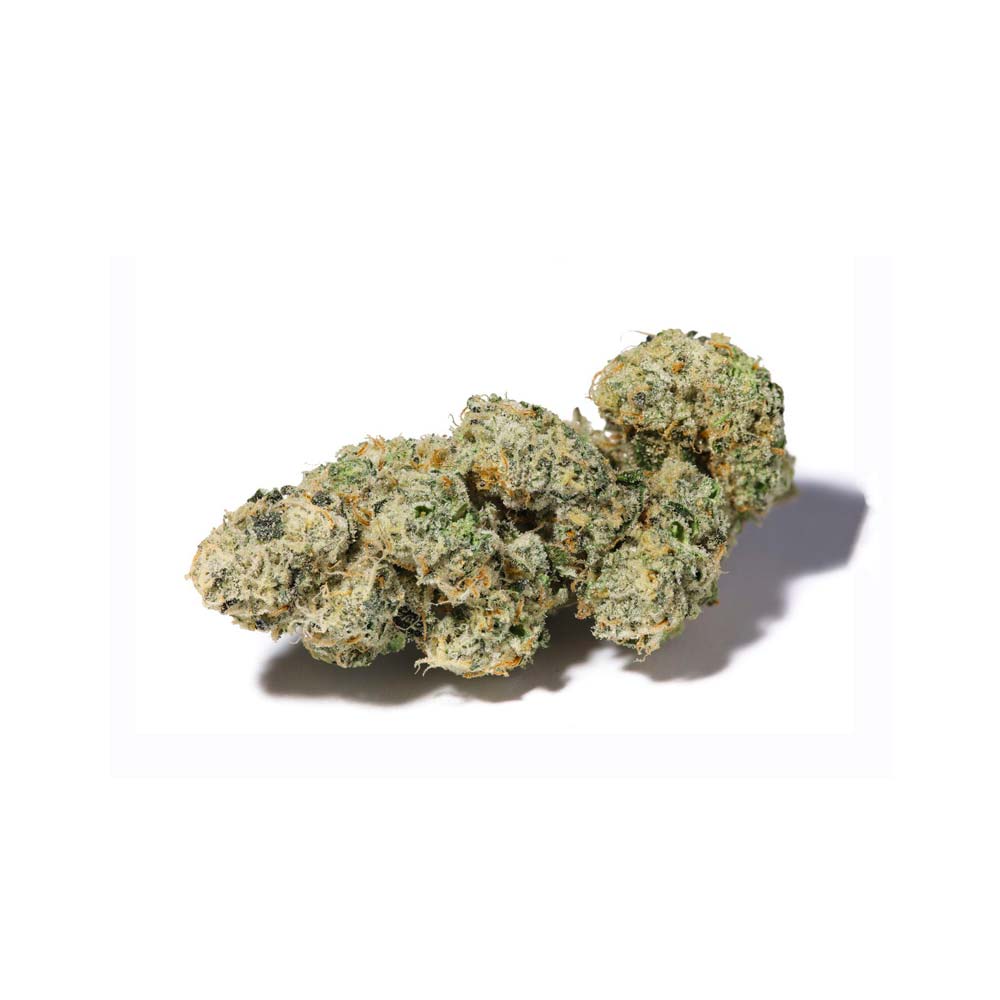
High-CBD strains like Charlotte’s Web and Bediol provide strong anti-inflammatory effects with minimal psychoactivity, suitable for daytime use. These work well for baseline pain management. Moderate THC strains like Nabilone (synthetic THC) offer stronger analgesia and help with sleep disruption. Full-spectrum oils preserve the “entourage effect,” where cannabinoids and terpenes work synergistically for enhanced therapeutic benefit.
Terpenes matter significantly. Myrcene (relaxing), beta-caryophyllene (anti-inflammatory), and linalool (calming) contribute to pain relief. Products should include third-party laboratory testing confirming cannabinoid content and contaminant absence.
Accessing Medical Cannabis on the UK NHS
Medical cannabis became legal in the UK in November 2018, though NHS prescribing remains restricted. The Home Office must approve all prescriptions. Sciatica isn’t automatically approved; you typically need treatment-resistant symptoms where conventional therapies have failed.
To access medical cannabis via NHS, follow these steps. First, consult your GP about your symptoms and failed conventional treatments. Request referral to a specialist pain or neurology clinic with expertise in medical cannabis. Specialist clinics operate through NHS England or private providers. Specialists evaluate your clinical history, conduct assessments, and determine suitability.
Approval requires documented evidence of inadequate response to at least two conventional treatments. Your specialist completes application forms for Home Office licensing. Processing typically takes 2-6 weeks. Once approved, you receive prescriptions from specialist pharmacies delivering via post.
Private best UK cannabis clinics in the UK
Private clinics offer faster access without NHS waiting lists. Licensed providers like Sapphire Medical Clinics, Integro Clinics, and others conduct consultations via telehealth or in-person. Private consultations cost £150-300 initially, with follow-ups at £100-200. Prescription costs vary: oils typically range £7-15 per 100mg CBD, while flower products cost £5-10 per gram.
Managing Expectations and Safety
Cannabis works differently for different people. Some experience significant relief, while others see modest improvement. Treatment requires patience; effects typically become apparent after 2-4 weeks. Start low and titrate gradually to minimise side effects.
Potential side effects include dizziness, drowsiness, and dry mouth. Cannabis can interact with certain medications, particularly those metabolised by CYP3A4 enzymes. Inform best UK cannabis clinics about all medications.
Conclusion
Medical cannabis offers a promising option for sciatica sufferers, particularly those with treatment-resistant pain. UK regulations permit prescribing through NHS specialists and private clinics. While evidence specifically for sciatica requires expansion, robust data supports cannabinoid treatment for neuropathic pain conditions. Discuss medical cannabis with your healthcare provider to determine if it suits your situation, ensuring proper monitoring and dosing guidance throughout treatment.