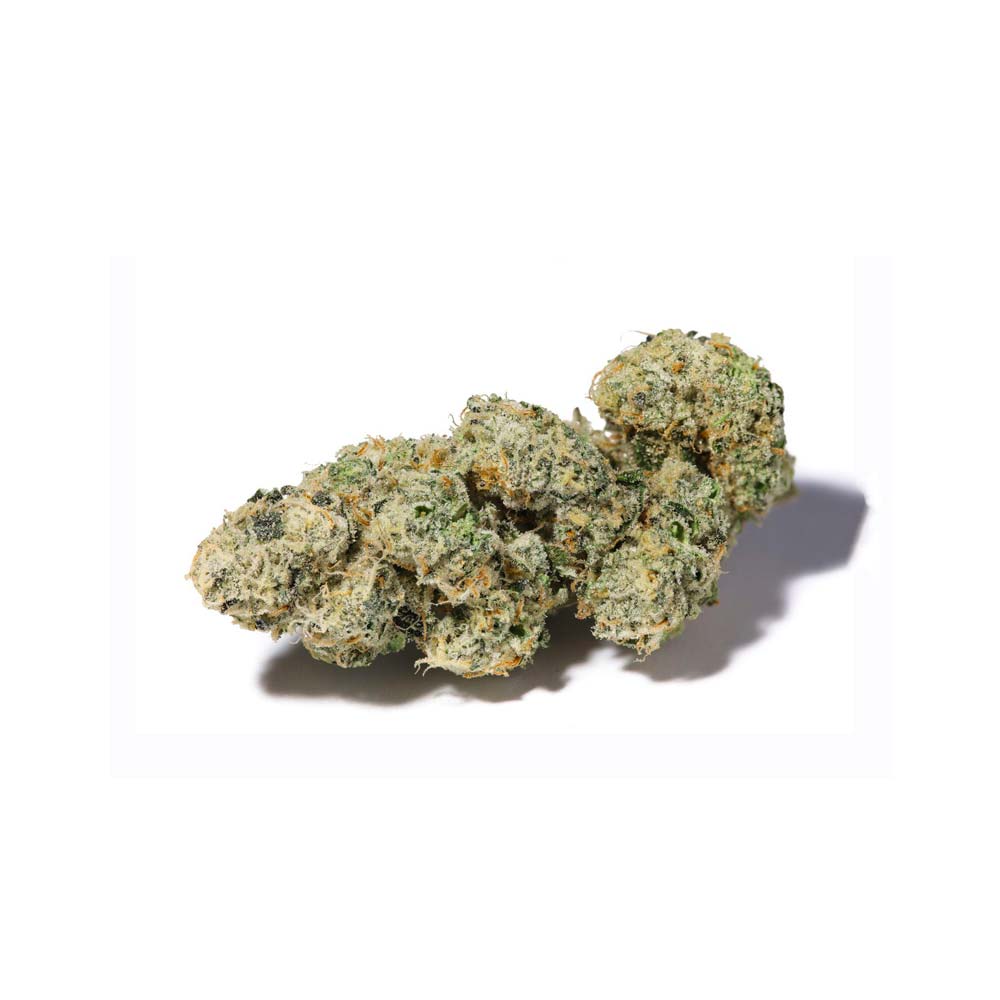
Purple Haze Strain: A Comprehensive Guide for UK Medical Cannabis Patients
Purple Haze is one of the most recognisable cannabis strains in the world, renowned for its distinctive appearance and balanced effects. For UK patients considering medical cannabis, understanding this strain’s characteristics, therapeutic potential, and practical growing information is essential.
Genetics and Origin
Purple Haze is a sativa-dominant hybrid strain with a fascinating lineage tracing back to the 1960s. The strain is believed to descend from landrace varieties including Thai and Jamaican genetics, creating a complex genetic profile that produces its signature purple colouration. The strain’s popularity peaked during the counterculture movement, but modern Purple Haze cultivars have been refined through selective breeding to improve cannabinoid profiles and consistency.
The purple hues in the plant develop due to anthocyanin pigments, which are naturally present in the cannabis plant but become more prominent when exposed to cooler temperatures during the flowering stage. This genetic predisposition makes Purple Haze visually distinctive and appealing to medical users seeking reliable identification.
Purple Haze typically contains moderate to high THC levels ranging from 14% to 19%, making it suitable for patients seeking noticeable psychoactive effects. CBD content is generally low, usually between 0.1% and 0.5%, which means this strain is primarily therapeutic through its THC mechanisms rather than CBD-mediated pathways.
The strain also contains beneficial terpenes including myrcene, pinene, and caryophyllene, which contribute to its medicinal properties and distinctive flavour profile. These compounds work synergistically with cannabinoids, a phenomenon known as the entourage effect, enhancing overall therapeutic benefits.
Effects and User Experience
Purple Haze produces predominantly cerebral effects due to its sativa dominance. Users typically report elevated mood, increased creativity, and enhanced mental clarity within 15-30 minutes of consumption. The initial rush is followed by sustained mental stimulation rather than sedation, making it unsuitable for evening use for most patients.
Physical effects are generally mild, with some users experiencing slight relaxation without full-body numbness. Energy levels typically remain elevated, allowing patients to maintain daily activities whilst experiencing symptom relief. Onset time varies depending on consumption method, with inhalation producing rapid effects within minutes, whilst oral consumption requires 1-2 hours.
Medical Applications
Purple Haze has demonstrated therapeutic potential across multiple conditions. For anxiety disorders, the strain’s mood-elevating properties can provide relief without the heavy sedation some patients find counterproductive. The uplifting effects may reduce social anxiety and promote positive mental states, though high-THC strains aren’t universally suitable for all anxiety presentations.
Regarding pain management, Purple Haze offers moderate analgesic properties through THC’s action on pain receptors. Patients with chronic pain conditions report reduced discomfort and improved functionality, particularly when combined with physical therapy or other treatments. The strain’s energising effects mean patients can manage pain without experiencing afternoon lethargy.
For depression and mood disorders, the cerebral stimulation and mood elevation can complement conventional treatments. Patients report improved motivation and reduced depressive symptoms, though psychiatric applications should always occur under medical supervision.
Sleep improvement is less pronounced than with indica-dominant strains. Some patients use Purple Haze in low doses during daytime to manage insomnia triggers, though it’s generally not recommended as a primary sleep aid.
Additional therapeutic applications include appetite stimulation, focus enhancement for ADHD-spectrum conditions, and migraine management, though evidence varies considerably.
UK Availability
Purple Haze availability through UK medical best UK cannabis clinics depends on individual pharmacy stock and prescribing practices. Several licensed producers supply UK pharmacies with Purple Haze products, typically available as flowers or pre-filled vape cartridges. Patients must obtain prescriptions from registered clinicians before accessing medical cannabis through official channels. Private clinics increasingly recognise Purple Haze’s therapeutic value, though NHS prescribing remains limited.
Growing Purple Haze
For patients interested in home cultivation (legal with appropriate licensing), Purple Haze presents moderate growing difficulty. The strain thrives in both indoor and outdoor environments, though indoor cultivation offers better purple colouration control through temperature management. Flowering time typically spans 8-10 weeks, with mature plants reaching 90-150cm height.
The strain prefers temperatures between 20-26°C during vegetative growth, reducing to 15-20°C during flowering to promote purple development. Well-draining soil with balanced nutrients supports healthy growth. Adequate lighting—high-intensity discharge or LED systems for indoor growing—ensures robust development and cannabinoid production.
Characteristic
Details
Strain Type
Sativa-Dominant Hybrid
THC Content
14-19%
CBD Content
0.1-0.5%
Best For
Daytime pain, anxiety, depression, motivation
Flavour Profile
Sweet, fruity with earthy undertones
Conclusion
Purple Haze offers UK medical cannabis patients a well-established, versatile option for daytime symptom management. Its balanced genetics, moderate THC content, and multiple therapeutic applications make it worth discussing with prescribing clinicians. Whether accessing through licensed pharmacies or exploring home cultivation options, Purple Haze continues to serve patients seeking reliable, recognisable cannabis medicine.
Medical Disclaimer: The information on this page is for educational purposes only and does not constitute medical advice. Always consult a licensed healthcare professional before starting any new treatment.
https://cannazen.co.uk/wp-content/uploads/2026/01/cosmic-mac-cannabis-doctor-prescription-pharmacy-shop-blute.jpg10001000CannaZen UK Editorial Teamhttps://cannazen.co.uk/wp-content/uploads/2026/01/cannazen-shop-lieferung-cannabis-weed-hemp-online.svgCannaZen UK Editorial Team2026-05-15 10:28:562026-05-23 10:50:48Purple Haze Strain — UK Medical Cannabis Guide
We may request cookies to be set on your device. We use cookies to let us know when you visit our websites, how you interact with us, to enrich your user experience, and to customize your relationship with our website.
Click on the different category headings to find out more. You can also change some of your preferences. Note that blocking some types of cookies may impact your experience on our websites and the services we are able to offer.
Essential Website Cookies
These cookies are strictly necessary to provide you with services available through our website and to use some of its features.
Because these cookies are strictly necessary to deliver the website, refusing them will have impact how our site functions. You always can block or delete cookies by changing your browser settings and force blocking all cookies on this website. But this will always prompt you to accept/refuse cookies when revisiting our site.
We fully respect if you want to refuse cookies but to avoid asking you again and again kindly allow us to store a cookie for that. You are free to opt out any time or opt in for other cookies to get a better experience. If you refuse cookies we will remove all set cookies in our domain.
We provide you with a list of stored cookies on your computer in our domain so you can check what we stored. Due to security reasons we are not able to show or modify cookies from other domains. You can check these in your browser security settings.
Google Analytics Cookies
These cookies collect information that is used either in aggregate form to help us understand how our website is being used or how effective our marketing campaigns are, or to help us customize our website and application for you in order to enhance your experience.
If you do not want that we track your visit to our site you can disable tracking in your browser here:
Other external services
We also use different external services like Google Webfonts, Google Maps, and external Video providers. Since these providers may collect personal data like your IP address we allow you to block them here. Please be aware that this might heavily reduce the functionality and appearance of our site. Changes will take effect once you reload the page.
Google Webfont Settings:
Google Map Settings:
Google reCaptcha Settings:
Vimeo and Youtube video embeds:
Other cookies
The following cookies are also needed - You can choose if you want to allow them:
Privacy Policy
You can read about our cookies and privacy settings in detail on our Privacy Policy Page.