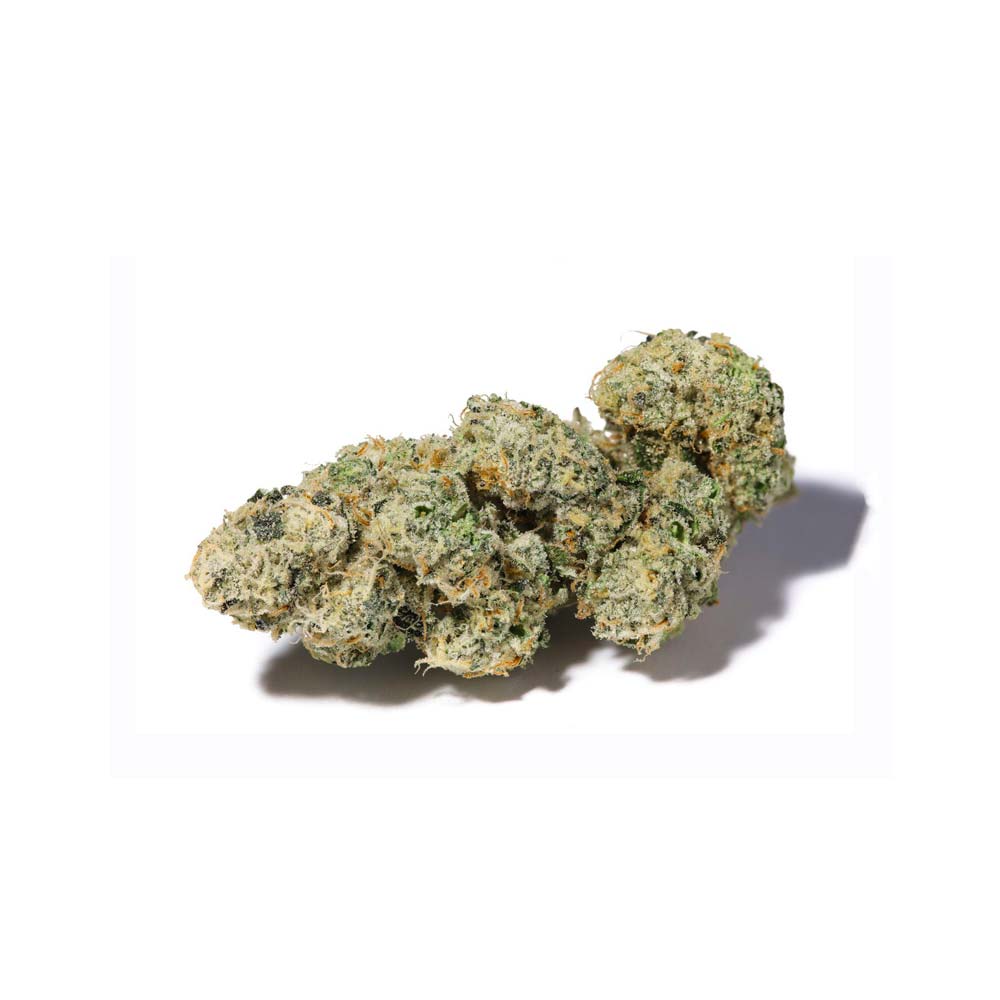
Medical Cannabis for Interstitial Cystitis UK: Bladder Pain Guide
Understanding Interstitial Cystitis and Bladder Pain
Interstitial cystitis (IC), also known as bladder pain syndrome, is a chronic condition characterised by bladder pressure, bladder pain and sometimes pelvic pain. Symptoms range from mild to severe, with patients experiencing urinary frequency up to 40-50 times daily in severe cases. The condition predominantly affects women, though men and children can develop it. Traditional treatments—including antihistamines, antidepressants and bladder instillations—provide limited relief for many patients, prompting interest in alternative therapeutic approaches including medical cannabis.
The aetiology of IC remains incompletely understood, but emerging research suggests dysfunction in the bladder’s protective mechanisms, neuroinflammation and abnormal sensory signalling. This is where the endocannabinoid system becomes particularly relevant to IC sufferers seeking novel treatment avenues.
The Bladder Endocannabinoid System
The endocannabinoid system (ECS) is present throughout the urinary tract, including the bladder mucosa and underlying tissues. This system comprises cannabinoid receptors (CB1 and CB2), endogenous cannabinoids and metabolic enzymes. The ECS plays crucial roles in pain modulation, immune regulation and inflammatory responses.
In IC, evidence suggests endocannabinoid signalling may be dysregulated. Cannabinoid receptors on sensory nerve fibres and immune cells within the bladder could theoretically modulate pain perception and reduce pathological inflammation. By supplementing with phytocannabinoids from cannabis—principally THC and CBD—patients may restore balance to this dysfunctional system, potentially alleviating symptoms through multiple mechanisms.
Inflammation of the bladder epithelium and lamina propria is a hallmark of IC. Both CBD and THC demonstrate anti-inflammatory properties through multiple pathways. CBD inhibits pro-inflammatory cytokine production and activates anti-inflammatory pathways without producing intoxication. THC similarly reduces inflammatory mediators and can modulate immune cell activation.
When cannabis reaches bladder tissue—whether through systemic absorption or topical application—these cannabinoids may suppress mast cell degranulation, reduce inflammatory cell infiltration and decrease production of pain-promoting substances like substance P. This anti-inflammatory action on the bladder mucosa could potentially reverse some IC pathology.
Evidence for Medical Cannabis in IC
Clinical evidence specifically investigating cannabis for IC remains limited. However, several lines of evidence support potential benefit. Studies show cannabinoids reduce bladder overactivity in animal models and improve symptoms in related conditions like overactive bladder. Patient surveys and anecdotal reports consistently describe pain reduction, decreased urinary frequency and improved quality of life following cannabis use.
Evidence for cannabis in chronic pain conditions, particularly neuropathic pain with inflammatory components, is more robust. Since IC involves both neuropathic and inflammatory mechanisms, extrapolating from this broader evidence base suggests potential utility. Research into cannabis specifically for IC is urgently needed.
CBD Topicals and Systemic Cannabis for IC
CBD-dominant topical products applied directly to the perineal area may provide localised anti-inflammatory effects with minimal systemic absorption. Many IC patients report symptom relief from CBD creams and oils applied externally. However, transdermal penetration to bladder tissue is limited.
Systemic cannabis administration—through oral oils, capsules or vaporisation—delivers cannabinoids throughout the body, including to the bladder. Balanced THC:CBD products may offer superior anti-inflammatory and analgesic effects compared to CBD alone, though individual responses vary considerably.
Best Products for IC Patients
For IC patients, low-dose, CBD-dominant or balanced products are generally recommended, particularly those without bladder irritants. Oil-based formulations and capsules are preferable to smoking, which may irritate the bladder. Products specifically formulated for sensitive systems are ideal.
Obtaining a UK Prescription for IC
Medical cannabis is legal in the UK when prescribed by registered specialist doctors. Patients must first exhaust conventional treatments. Conditions like chronic pain and bladder dysfunction increasingly meet criteria for medical cannabis consideration. Private clinics specialising in medical cannabis can provide consultations, though NHS prescribing remains extremely limited. Expect to work with specialists experienced in both IC and medical cannabis.
Support and Resources
The Interstitial Cystitis Support Network UK provides invaluable patient support, whilst the Medical best UK cannabis clinicsians Society offers practitioner information. Patient communities increasingly discuss cannabis experiences, though individual responses remain variable.
Medical Disclaimer: The information on this page is for educational purposes only and does not constitute medical advice. Always consult a licensed healthcare professional before starting any new treatment.
We may request cookies to be set on your device. We use cookies to let us know when you visit our websites, how you interact with us, to enrich your user experience, and to customize your relationship with our website.
Click on the different category headings to find out more. You can also change some of your preferences. Note that blocking some types of cookies may impact your experience on our websites and the services we are able to offer.
Essential Website Cookies
These cookies are strictly necessary to provide you with services available through our website and to use some of its features.
Because these cookies are strictly necessary to deliver the website, refusing them will have impact how our site functions. You always can block or delete cookies by changing your browser settings and force blocking all cookies on this website. But this will always prompt you to accept/refuse cookies when revisiting our site.
We fully respect if you want to refuse cookies but to avoid asking you again and again kindly allow us to store a cookie for that. You are free to opt out any time or opt in for other cookies to get a better experience. If you refuse cookies we will remove all set cookies in our domain.
We provide you with a list of stored cookies on your computer in our domain so you can check what we stored. Due to security reasons we are not able to show or modify cookies from other domains. You can check these in your browser security settings.
Google Analytics Cookies
These cookies collect information that is used either in aggregate form to help us understand how our website is being used or how effective our marketing campaigns are, or to help us customize our website and application for you in order to enhance your experience.
If you do not want that we track your visit to our site you can disable tracking in your browser here:
Other external services
We also use different external services like Google Webfonts, Google Maps, and external Video providers. Since these providers may collect personal data like your IP address we allow you to block them here. Please be aware that this might heavily reduce the functionality and appearance of our site. Changes will take effect once you reload the page.
Google Webfont Settings:
Google Map Settings:
Google reCaptcha Settings:
Vimeo and Youtube video embeds:
Other cookies
The following cookies are also needed - You can choose if you want to allow them:
Privacy Policy
You can read about our cookies and privacy settings in detail on our Privacy Policy Page.