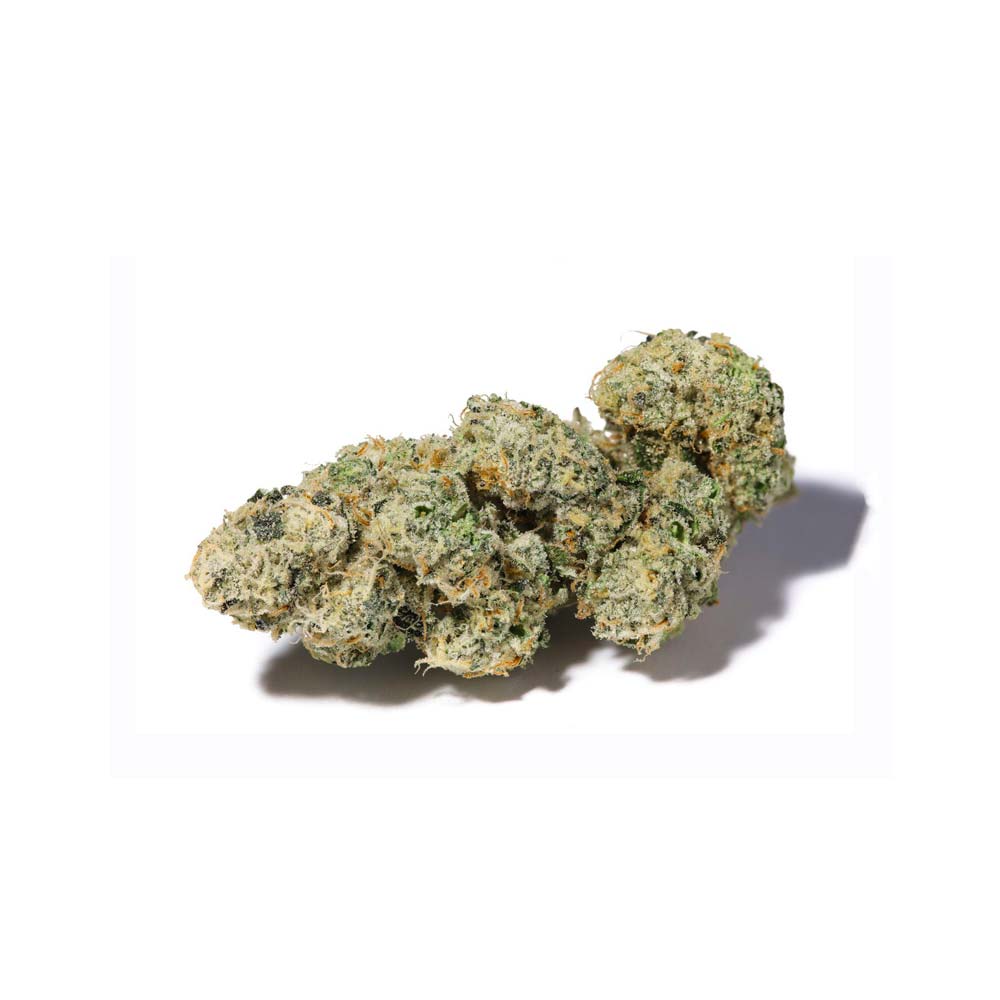
Growing Cannabis UK: What the Law Says and Medical Patient Rules
The Legal Status of Cannabis Growing in the United Kingdom
Growing cannabis in the United Kingdom remains firmly illegal under current legislation. Cannabis is classified as a Class B drug, and cultivating it constitutes a serious criminal offence regardless of the quantity produced or the intended purpose. Production of cannabis carries a maximum penalty of 14 years imprisonment, an unlimited fine, or both. This strict prohibition applies to all forms of cannabis cultivation, including growing plants for personal use, medical purposes, or recreational consumption.
Criminal Penalties for Home Cultivation
The consequences for cultivating cannabis at home in the UK are severe and life-altering. Those convicted of producing cannabis face substantial prison sentences, with judges able to impose custody ranging from several months for small-scale operations to many years for larger grows. Beyond imprisonment, offenders face unlimited fines, confiscation of property, and a permanent criminal record that significantly impacts employment prospects, housing opportunities, and travel permissions.
The Proceeds of Crime Act 2002 allows authorities to seize assets believed to be proceeds of drug cultivation. This means homes, vehicles, and other valuable property can be forfeited, even if they were partially purchased through legitimate means. Additionally, a criminal conviction remains on record indefinitely in the UK, affecting future opportunities and quality of life considerably.
Aggravating factors can increase sentencing. These include growing quantities suggesting commercial intent, involvement of others, previous convictions, or cultivation in rented properties where landlords face liability. Even small domestic grows can result in prosecution and custodial sentences, particularly for repeat offenders or those with prior criminal history.
Despite the legal prohibition, police forces across the UK adopt somewhat varied approaches to small domestic cannabis grows. Whilst the offence remains serious, enforcement priorities have evolved, particularly following shifts in public opinion regarding cannabis policy.
Some police forces prioritise disrupting large-scale commercial operations that cause significant community harm, diverting resources away from small domestic growers. However, this pragmatic approach should not be interpreted as decriminalisation or de facto legal tolerance. Police retain full authority to prosecute anyone cultivating cannabis, regardless of scale. Factors influencing enforcement decisions include the number of plants, equipment sophistication, electrical bypass risk, safety concerns, and whether the operation serves a known criminal network.
In cases involving small quantities where no additional crimes are evident, some forces may issue warnings or pursue lower-level interventions rather than immediate prosecution. Conversely, other forces enforce the law strictly, and prosecution outcomes ultimately rest with the Crown Prosecution Service and courts rather than individual officers. Essentially, home growers cannot rely upon selective enforcement to avoid prosecution.
Medical Patients and Home Cultivation
Interestingly, medical patients in the UK are not permitted to grow their own cannabis despite medicinal applications being increasingly recognised. Since 2018, certain cannabinoid-based medicines have become available through NHS prescription for specific conditions, including multiple sclerosis and epilepsy. However, these products remain tightly controlled pharmaceutical preparations rather than raw plant material.
Even patients benefiting from medical cannabis cannot cultivate plants legally, a position many patient advocacy groups consider unjust and discriminatory. Unlike some jurisdictions, the UK maintains strict separation between legal medical access and any allowance for domestic cultivation, meaning patients must source medication through official channels or face prosecution identical to recreational users.
Hemp Cultivation and Legal Distinctions
Whilst cannabis cultivation remains prohibited, hemp production occupies a different legal category in the UK. Hemp, Cannabis sativa with THC content below 0.2 per cent, can be cultivated legally by licensed operators. However, this is exclusively commercial cultivation; home growers cannot legally produce hemp. Licences are issued by the Home Office and require demonstrating legitimate commercial purposes, such as fibre production or seeds.
This distinction highlights that UK law separates cannabis entirely from hemp cultivation. The regulatory framework recognises hemp’s agricultural and industrial value whilst maintaining absolute prohibition on cannabis growing, even domestically at tiny scales.
International Comparisons and Advocacy
Countries including Canada, Uruguay, and parts of the United States permit adult home cultivation within specified limits. These jurisdictions typically allow growing small numbers of plants—commonly three to six��for personal consumption. Advocates argue such policies reduce incarceration rates, respect personal autonomy, and undermine illicit markets.
UK patient advocacy groups increasingly argue for similar frameworks, particularly for medical users. Organisations contend that home cultivation would improve medication access, reduce costs, and grant patients agency in their healthcare decisions. Campaigners note that prohibition prevents patients from accessing potentially beneficial strains and preparations whilst imposing criminal liability.
Despite growing public support for cannabis reform, the UK government maintains prohibition on home cultivation. Any legislative change would require parliamentary action and significant policy shifts regarding drug classification. Whilst public attitudes evolve, current law unambiguously criminalises all domestic cannabis growing.
Conclusion
Cannabis cultivation remains illegal throughout the UK under all circumstances, with serious criminal penalties. Whilst enforcement varies and public opinion shifts, the prohibition stands firm in law. Those considering growing cannabis should understand the substantial risks involved, including lengthy imprisonment, financial penalties, and permanent criminal records. Medical patients and recreational users alike must navigate an increasingly inconsistent landscape where some cannabis-derived medicines gain recognition whilst home cultivation remains absolutely prohibited and criminally prosecuted.
Medical Disclaimer: The information on this page is for educational purposes only and does not constitute medical advice. Always consult a licensed healthcare professional before starting any new treatment.
https://cannazen.co.uk/wp-content/uploads/2026/01/cosmic-mac-cannabis-doctor-prescription-pharmacy-shop-blute.jpg10001000CannaZen UK Editorial Teamhttps://cannazen.co.uk/wp-content/uploads/2026/01/cannazen-shop-lieferung-cannabis-weed-hemp-online.svgCannaZen UK Editorial Team2026-05-14 21:31:062026-05-23 10:53:39Growing Cannabis UK: What the Law Says and Medical Patient Rules
We may request cookies to be set on your device. We use cookies to let us know when you visit our websites, how you interact with us, to enrich your user experience, and to customize your relationship with our website.
Click on the different category headings to find out more. You can also change some of your preferences. Note that blocking some types of cookies may impact your experience on our websites and the services we are able to offer.
Essential Website Cookies
These cookies are strictly necessary to provide you with services available through our website and to use some of its features.
Because these cookies are strictly necessary to deliver the website, refusing them will have impact how our site functions. You always can block or delete cookies by changing your browser settings and force blocking all cookies on this website. But this will always prompt you to accept/refuse cookies when revisiting our site.
We fully respect if you want to refuse cookies but to avoid asking you again and again kindly allow us to store a cookie for that. You are free to opt out any time or opt in for other cookies to get a better experience. If you refuse cookies we will remove all set cookies in our domain.
We provide you with a list of stored cookies on your computer in our domain so you can check what we stored. Due to security reasons we are not able to show or modify cookies from other domains. You can check these in your browser security settings.
Google Analytics Cookies
These cookies collect information that is used either in aggregate form to help us understand how our website is being used or how effective our marketing campaigns are, or to help us customize our website and application for you in order to enhance your experience.
If you do not want that we track your visit to our site you can disable tracking in your browser here:
Other external services
We also use different external services like Google Webfonts, Google Maps, and external Video providers. Since these providers may collect personal data like your IP address we allow you to block them here. Please be aware that this might heavily reduce the functionality and appearance of our site. Changes will take effect once you reload the page.
Google Webfont Settings:
Google Map Settings:
Google reCaptcha Settings:
Vimeo and Youtube video embeds:
Other cookies
The following cookies are also needed - You can choose if you want to allow them:
Privacy Policy
You can read about our cookies and privacy settings in detail on our Privacy Policy Page.