Cannabis vs CBD: What’s the Difference and Which Do You Need?
Medical Cannabis vs CBD: A Complete Guide for UK Consumers
Understanding the difference between CBD and medical cannabis can be confusing, especially when both are discussed in health and wellness circles. This guide explains the key distinctions in chemical composition, legal status, effects, and practical applications for UK consumers.
1. Understanding the Chemical Differences
CBD, THC, and Full-Plant Cannabis Explained
Cannabis plants contain over 100 different compounds called cannabinoids, each with distinct properties and effects. The three most important to understand are:
CBD (Cannabidiol) is a non-intoxicating cannabinoid that doesn’t produce a “high.” It interacts with the body’s endocannabinoid system but doesn’t directly bind to CB1 receptors in the brain the way THC does. CBD products are widely available as CBD oil in the UK and come from hemp plants bred to contain minimal THC.
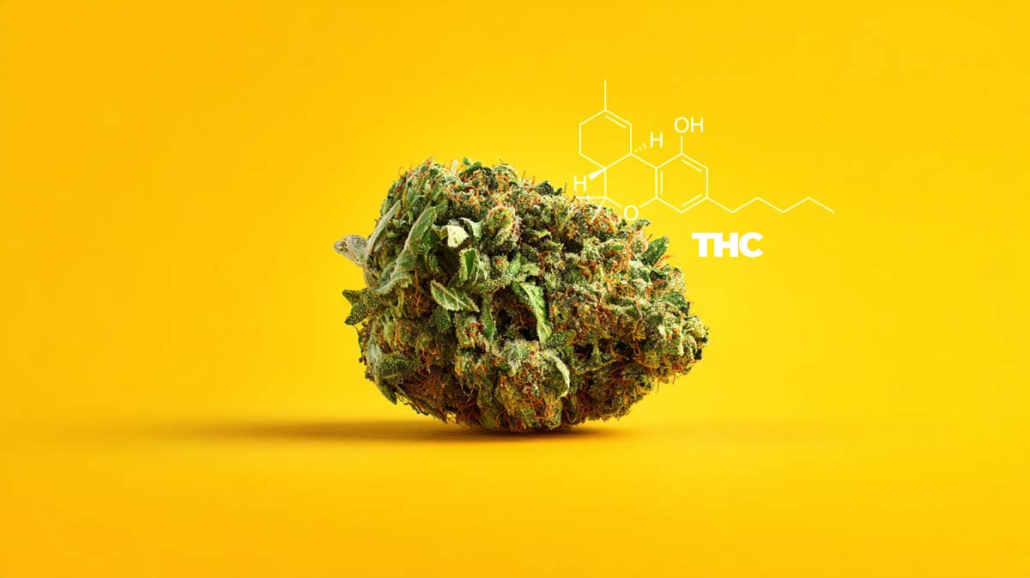
THC (Tetrahydrocannabinol) is the primary psychoactive compound in cannabis that produces the characteristic “high.” It binds directly to CB1 receptors in the brain and is responsible for the intoxicating effects associated with recreational cannabis use. THC also has medicinal properties and is the key component in prescribed medical cannabis in the UK.
Full-Plant Cannabis contains all cannabinoids present in the plant, including both CBD and THC in varying ratios depending on the plant strain. Medical cannabis prescriptions typically contain both CBD and THC, working synergistically through what scientists call the “entourage effect.” This means the compounds work together more effectively than any single compound alone.
CBD products are legal to purchase and possess in the UK without a prescription, provided they contain no more than 0.2% THC by law. You can buy CBD oils, capsules, creams, and other products from retailers, health shops, and online stores. There is no age restriction for purchasing CBD, though some retailers may set their own policies.
This accessibility makes CBD an attractive first option for many people exploring cannabinoid therapy. You don’t need to visit a doctor or jump through regulatory hoops to try CBD products.
Medical Cannabis: Prescription Only
Medical cannabis remains a controlled substance in the UK and requires a specialist prescription. Since November 2018, specialists have had the legal authority to prescribe cannabis-based medicinal products to patients where other treatments have failed or are unsuitable. However, obtaining a prescription involves several steps:
You must first be referred by your GP to a specialist clinic, such as those listed at best UK cannabis clinics. The specialist will assess whether medical cannabis is appropriate for your condition. If approved, you’ll receive a prescription, which you can take to a pharmacy that stocks medical cannabis products. Learn more about the prescription process at medical cannabis in the UK.
3. How CBD and THC Affect the Body Differently
Effects of CBD
CBD is known for several therapeutic properties without producing intoxication. Users commonly report feeling more calm and relaxed, making it popular for anxiety management. CBD may help reduce inflammation throughout the body, benefiting those with inflammatory conditions. Many people use CBD for better sleep quality without feeling drowsy during the day. CBD has neuroprotective properties and may help with pain management, particularly nerve-related pain. It can be taken consistently throughout the day without affecting mental clarity or ability to drive.
Effects of THC
THC produces immediate psychoactive effects including euphoria, altered perception of time, and changes in sensory perception. At medicinal doses, THC can provide significant pain relief, sometimes more effective than CBD alone for severe pain conditions. THC can improve appetite and reduce nausea, particularly beneficial for cancer and chemotherapy patients. It has anti-inflammatory properties and muscle-relaxant effects. THC is sedating at higher doses, which can be beneficial for sleep problems but problematic for daytime use. THC can impair concentration and coordination, making it unsuitable for certain occupations or activities like driving.
The Entourage Effect
When CBD and THC are present together in full-plant cannabis, they modify each other’s effects. CBD can reduce some of the anxiety and paranoia associated with THC while enhancing THC’s therapeutic benefits. This is why medical cannabis prescriptions often contain both compounds rather than THC alone.
4. When CBD Is Sufficient
Mild to Moderate Anxiety
If you experience occasional anxiety or stress that interferes with daily life but isn’t debilitating, CBD oil may be an appropriate starting point. Many people find that consistent CBD use reduces anxiety without the side effects of pharmaceutical anxiolytics.
General Wellness and Prevention
Some people use CBD as part of a general wellness routine, similar to taking vitamins. Those interested in potential preventative health benefits or general wellbeing support often find CBD sufficient without needing prescription medication.
Mild Inflammation
For minor inflammatory conditions, joint discomfort, or minor muscle tension, CBD’s anti-inflammatory properties may provide adequate relief. This includes mild arthritis symptoms or post-exercise soreness.
Minor Sleep Issues
If you occasionally struggle with sleep but don’t have a diagnosed sleep disorder, CBD may help promote relaxation and improve sleep quality without the dependency risks associated with sleeping medications.
5. When You Need a Medical Cannabis Prescription
Severe or Chronic Conditions
If you have a diagnosed condition causing significant disability or suffering—such as severe epilepsy, multiple sclerosis, or chronic pain—medical cannabis may be appropriate when conventional treatments haven’t worked.
CBD Has Proven Insufficient
If you’ve tried CBD consistently for several weeks and haven’t experienced meaningful improvement, this suggests you may benefit from the additional therapeutic compounds in full-plant medical cannabis, particularly THC.
Debilitating Symptoms
Symptoms severe enough to significantly impact your quality of life, ability to work, or daily functioning warrant specialist assessment. Chronic pain preventing sleep, severe muscle spasticity, or intractable nausea are examples where medical cannabis may be prescribed.
Limited Response to Conventional Treatments
Specialists typically only prescribe medical cannabis when standard treatments have failed, been ineffective, or caused unacceptable side effects. Having tried and documented your response to conventional medications strengthens your case for prescription consideration.
6. Cost Comparison: CBD vs Medical Cannabis Prescription
CBD Oil Costs
CBD products are relatively affordable. Quality CBD oil ranges from £10-£60 per month depending on dose and product quality. Lower-cost options exist but may contain inferior-quality CBD. Prices are transparent and products are available immediately without waiting.
Medical Cannabis Prescription Costs
Medical cannabis through the NHS is available to eligible patients at no cost beyond standard prescription charges (£9.90 per item in England As of 2026). However, NHS availability is limited and many eligible patients must access private prescriptions through best UK cannabis clinics, costing £150-£500+ per consultation and £150-£400+ per monthly prescription, depending on the clinic and dosage required.
Long-Term Financial Considerations
For some patients, medical cannabis prescription costs are offset by reduced spending on multiple conventional medications. Others find ongoing private prescription costs prohibitive and continue with more affordable CBD or conventional treatments.
7. The Recommended Starting Approach
Start with CBD
The logical first step is trying quality CBD oil or products. This is legal, affordable, accessible, and safe. Start with a moderate dose and use consistently for 4-6 weeks before assessing effectiveness, as CBD can take time to show benefits.
Document Your Response
Keep notes on how CBD affects your symptoms, sleep, mood, and overall wellbeing. Note any side effects or concerns. This documentation is valuable if you later seek specialist assessment for medical cannabis, as it demonstrates you’ve tried a less invasive option first.
Adjust Dosage and Products
If initial CBD doesn’t help, try increasing the dose gradually. Different CBD products (oils, capsules, topicals) and different brands may have varying effects. Give each adjustment at least 2-3 weeks before changing again.
Consider Medical Cannabis
If CBD provides no meaningful benefit after several weeks of consistent use at adequate doses, consult your GP about specialist referral. Specialist doctors assessing medical cannabis eligibility will consider your CBD trial as evidence that your condition warrants stronger treatment.
8. Combination Approach: CBD Alongside Medical Cannabis
Using Both Simultaneously
Some patients benefit from using both CBD and prescribed medical cannabis together. The CBD supplements daytime symptom management while medical cannabis addresses severe symptoms or nighttime issues.
Why Combine Them?
If medical cannabis contains predominantly THC with lower CBD, adding CBD oil can enhance the therapeutic effect without increasing THC dose. Some patients find combining products manages their condition more effectively than either alone. CBD’s anti-anxiety properties can offset THC-related anxiety in sensitive individuals.
Discussing with Your Specialist
Always inform your prescribing specialist about any CBD products you’re using. While interactions are minimal, transparency helps specialists manage your treatment plan effectively.
9. What Medical Professionals Say
General Practitioner Perspectives
Many GPs are increasingly receptive to CBD as a first-line option for conditions like anxiety and mild pain, particularly when conventional medications haven’t worked or caused side effects. GPs often view CBD as low-risk and may suggest trying it before prescription options.
Specialists prescribing medical cannabis emphasize that it should be considered when conventional treatments have failed or proven unsuitable. They generally support a stepwise approach—trying CBD first, then moving to medical cannabis only if justified. They value patients’ documentation of CBD trials as it demonstrates they’ve exhausted standard options.
Pain Management Specialists
Pain specialists increasingly recognize cannabinoids as useful tools for chronic pain management, particularly when opioid dependence is a concern. They often view full-plant medical cannabis as superior to CBD alone for moderate-to-severe pain while being safer than high-dose opioids.
Neurologists
Neurologists treating conditions like epilepsy and multiple sclerosis have seen good outcomes with medical cannabis prescriptions when conventional medications fail. They typically recommend specialist assessment rather than self-treating with CBD for serious neurological conditions.
Comparison Table: CBD vs Medical Cannabis Prescription
Feature
CBD Oil
Medical Cannabis Prescription
Legal Status (UK)
Legal without prescription (max 0.2% THC)
Legal by prescription only
Psychoactive Effects
None
Yes (THC component)
How to Access
Buy directly from retailers
GP referral ? specialist assessment ? prescription
Cost
£10-£60/month
NHS free (limited availability) or £150-£400+/month private
Severe conditions, failed conventional treatments, debilitating symptoms
Side Effects
Minimal (occasionally dry mouth, drowsiness)
More pronounced (intoxication, drowsiness, impaired memory)
Specialist Assessment
Not required
Required
Entourage Effect
Single compound only
Full plant (multiple cannabinoids)
Making Your Decision
The choice between CBD and medical cannabis depends on your condition’s severity, response to conventional treatments, and personal circumstances. CBD represents an excellent starting point—it’s affordable, accessible, legal, and safe. If your condition is mild to moderate, CBD may provide all the relief you need without navigating prescription systems.
However, if you have a serious condition causing significant suffering or disability, and conventional treatments haven’t worked adequately, medical cannabis prescribed by a specialist may be transformative. The two approaches aren’t competing—they’re sequential steps in a rational treatment pathway.
Begin with CBD oil, document your response, and if inadequate, discuss specialist referral with your GP. The specialists at best UK cannabis clinics can assess whether you’re a suitable candidate for medical cannabis prescription and provide evidence-based treatment.
Your healthcare journey is personal. Whatever path you choose, make informed decisions based on your individual circumstances, professional medical advice, and careful attention to your body’s response.
Medical Disclaimer: The information on this page is for educational purposes only and does not constitute medical advice. Always consult a licensed healthcare professional before starting any new treatment.
https://cannazen.co.uk/wp-content/uploads/2026/01/cosmic-mac-cannabis-doctor-prescription-pharmacy-shop-blute.jpg10001000CannaZen UK Editorial Teamhttps://cannazen.co.uk/wp-content/uploads/2026/01/cannazen-shop-lieferung-cannabis-weed-hemp-online.svgCannaZen UK Editorial Team2026-05-14 21:11:432026-05-23 10:50:48Cannabis vs CBD: What’s the Difference and Which Do You Need?
We may request cookies to be set on your device. We use cookies to let us know when you visit our websites, how you interact with us, to enrich your user experience, and to customize your relationship with our website.
Click on the different category headings to find out more. You can also change some of your preferences. Note that blocking some types of cookies may impact your experience on our websites and the services we are able to offer.
Essential Website Cookies
These cookies are strictly necessary to provide you with services available through our website and to use some of its features.
Because these cookies are strictly necessary to deliver the website, refusing them will have impact how our site functions. You always can block or delete cookies by changing your browser settings and force blocking all cookies on this website. But this will always prompt you to accept/refuse cookies when revisiting our site.
We fully respect if you want to refuse cookies but to avoid asking you again and again kindly allow us to store a cookie for that. You are free to opt out any time or opt in for other cookies to get a better experience. If you refuse cookies we will remove all set cookies in our domain.
We provide you with a list of stored cookies on your computer in our domain so you can check what we stored. Due to security reasons we are not able to show or modify cookies from other domains. You can check these in your browser security settings.
Google Analytics Cookies
These cookies collect information that is used either in aggregate form to help us understand how our website is being used or how effective our marketing campaigns are, or to help us customize our website and application for you in order to enhance your experience.
If you do not want that we track your visit to our site you can disable tracking in your browser here:
Other external services
We also use different external services like Google Webfonts, Google Maps, and external Video providers. Since these providers may collect personal data like your IP address we allow you to block them here. Please be aware that this might heavily reduce the functionality and appearance of our site. Changes will take effect once you reload the page.
Google Webfont Settings:
Google Map Settings:
Google reCaptcha Settings:
Vimeo and Youtube video embeds:
Other cookies
The following cookies are also needed - You can choose if you want to allow them:
Privacy Policy
You can read about our cookies and privacy settings in detail on our Privacy Policy Page.