Cannabis and PTSD in the UK: Evidence, Prescribing, and Practical Guidance
Disclaimer: This guide is for informational purposes only and does not constitute medical advice. Always consult with a healthcare professional before considering cannabis treatment.
Understanding PTSD and the Role of Cannabis
Post-Traumatic Stress Disorder (PTSD) affects approximately 3-4% of the UK population and manifests through intrusive memories, hypervigilance, emotional numbness, and sleep disturbances. Traditional treatments include cognitive behavioural therapy (CBT) and medications like sertraline. However, some patients experience inadequate symptom relief, prompting interest in alternative treatments. Cannabis has emerged as a potential therapeutic option, though evidence remains mixed and research is ongoing.
Research suggests cannabinoids may help reduce nightmare frequency and intensity in PTSD patients. A 2014 study published in the Journal of Clinical Psychology found that cannabis users reported fewer nightmares, potentially because THC suppresses REM sleep during which vivid dreams occur. However, long-term use may lead to rebound insomnia upon cessation. CBD (cannabidiol) shows promise for improving sleep quality without the sedative effects of THC, making it an attractive option for some patients. The evidence base remains limited, with most studies being observational rather than randomised controlled trials.
Hypervigilance and Anxiety
PTSD commonly involves heightened startle responses and constant threat perception. CBD has demonstrated anxiolytic properties in various studies, potentially helping to reduce hypervigilance. A 2019 study showed that CBD administration lowered anxiety in 79% of participants within the first month of treatment. THC, conversely, may exacerbate anxiety in some individuals, particularly at higher doses. The ratio of THC to CBD appears crucial, with balanced ratios potentially offering better therapeutic outcomes than high-THC products.
Emotional Processing and Sleep
Cannabis may facilitate emotional processing during sleep by altering neurochemical pathways. Some veterans report that moderate cannabis use helps them sleep without experiencing nightmares, allowing the brain to process trauma more gradually. However, cannabis can also interfere with sleep architecture, potentially delaying natural healing. Current evidence suggests benefits are most likely for patients with severe, treatment-resistant nightmares rather than general PTSD management.
Cannabis Prescribing in the UK for PTSD
Cannabis remains a controlled substance in the UK, but medical cannabis became legal in November 2018. However, prescription rates remain extremely low. Currently, PTSD is not explicitly listed as a condition for which the NHS prescribes medical cannabis. Instead, cannabis is typically only considered when other treatments have failed for conditions like epilepsy, chronic pain, or chemotherapy side effects.
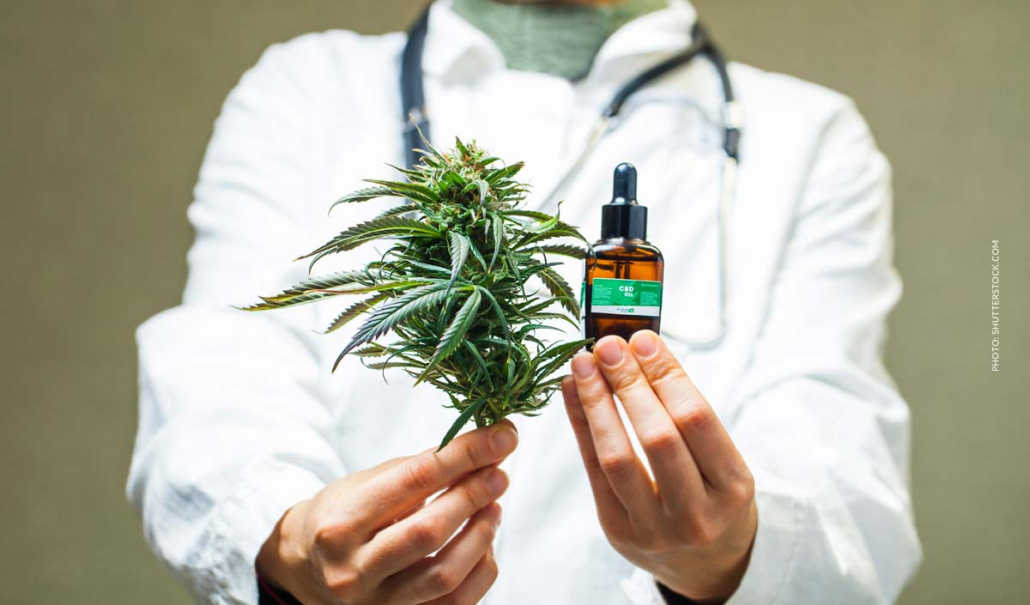
Private specialists can prescribe medical cannabis off-label, but availability is limited and costs are substantial. Patients pursuing private treatment should expect consultations with specialists experienced in cannabis therapeutics. Some private clinics assess PTSD patients and may prescribe cannabis oils or flower-based products. Prescriptions typically range from £150-£400 per month for quality medical cannabis products.
NHS access for PTSD remains minimal. Patients should first exhaust conventional treatments including trauma-focused psychotherapy and approved medications. If considering private treatment, ensure the best UK cannabis clinics is registered and experienced with PTSD management.
Best Cannabis Strains for PTSD
Note: Strain efficacy varies significantly between individuals. What works for one person may be ineffective or counterproductive for another.
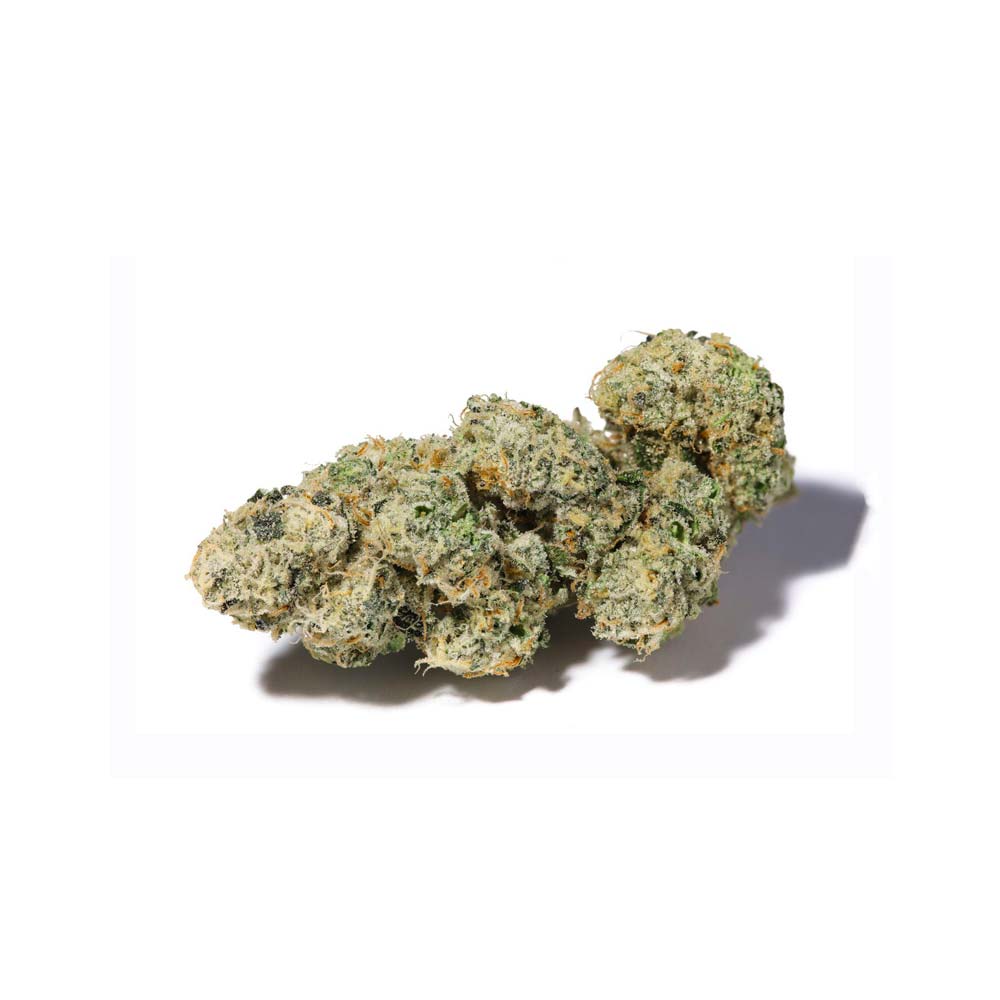
High-CBD, Low-THC Strains: Products with CBD-dominant profiles are generally recommended for PTSD management. Strains such as Charlotte’s Web (typically 13-17% CBD, <1% THC) and Harlequin (5-10% CBD, 5-7% THC) are popular choices. These offer potential therapeutic benefits while minimising anxiety-inducing effects of high THC concentrations.
Balanced Strains: Equal or near-equal ratios of THC to CBD (such as 1:1 or 2:1) may provide broader therapeutic effects. Strains like Cannatonic and Pennywise offer this balance and are reported by some PTSD patients to reduce nightmares while maintaining mild euphoria that can ease emotional distress.
For Nightmares Specifically: Some patients report success with slightly THC-dominant strains taken in small evening doses, as THC’s REM sleep suppression reduces nightmare intensity. Strains like Granddaddy Purple or OG Kush are frequently mentioned, though individual responses vary considerably. Starting with minimal doses (2-5mg THC) is essential to assess tolerance.
Avoid: Very high-THC strains (>20% THC) are generally contraindicated in PTSD due to increased anxiety risk, particularly for those with hypervigilance or paranoia.
Costs and Affordability
Private medical cannabis for PTSD is expensive in the UK. Medical-grade flower typically costs £150-£250 per month for therapeutic doses. Cannabis oils and distillates range from £100-£400 monthly depending on concentration and volume. Some specialist clinics offer slightly cheaper options through tiered pricing, but savings are modest.
Illegal cannabis costs considerably less (£5-£10 per gram for flower), but legality, safety, and product consistency remain serious concerns. Unregulated products may contain pesticides, mould, or inconsistent cannabinoid profiles, potentially worsening PTSD symptoms.
A few private insurance providers may cover portions of private cannabis prescriptions if recommended by a registered specialist, though this is rare. Most patients pay out-of-pocket. Some research studies recruit PTSD patients and provide cannabis free, offering an alternative route for those interested in exploring this treatment.
Practical Considerations and Safety
Before using cannabis for PTSD, consider your mental health history. Those with psychotic spectrum disorders should avoid THC-dominant products. Drug interactions are possible with certain medications. Regular monitoring by a healthcare provider experienced in cannabis therapeutics is essential.
Start with low doses and increase gradually. Keep a symptom diary noting effects on sleep, nightmares, and anxiety. Many patients find that 5-10mg CBD daily or 2-5mg THC in the evening provides benefits without adverse effects. Tolerance can develop, requiring dosage adjustments.
Conclusion
Evidence suggests cannabis, particularly CBD-rich products, may help some PTSD patients with nightmares, hypervigilance, and sleep disturbance. However, the research base remains limited, and UK prescribing for PTSD is restricted. Those considering treatment should exhaust conventional options first, consult specialists, and understand costs and legal implications. Cannabis shows promise but is not a first-line treatment and works best as part of comprehensive PTSD management including psychotherapy.
Medical Disclaimer: The information on this page is for educational purposes only and does not constitute medical advice. Always consult a licensed healthcare professional before starting any new treatment.
https://cannazen.co.uk/wp-content/uploads/2026/01/cosmic-mac-cannabis-doctor-prescription-pharmacy-shop-blute.jpg10001000CannaZen UK Editorial Teamhttps://cannazen.co.uk/wp-content/uploads/2026/01/cannazen-shop-lieferung-cannabis-weed-hemp-online.svgCannaZen UK Editorial Team2026-05-14 20:58:422026-05-23 10:44:04Does Cannabis Help PTSD UK? Evidence Guide
We may request cookies to be set on your device. We use cookies to let us know when you visit our websites, how you interact with us, to enrich your user experience, and to customize your relationship with our website.
Click on the different category headings to find out more. You can also change some of your preferences. Note that blocking some types of cookies may impact your experience on our websites and the services we are able to offer.
Essential Website Cookies
These cookies are strictly necessary to provide you with services available through our website and to use some of its features.
Because these cookies are strictly necessary to deliver the website, refusing them will have impact how our site functions. You always can block or delete cookies by changing your browser settings and force blocking all cookies on this website. But this will always prompt you to accept/refuse cookies when revisiting our site.
We fully respect if you want to refuse cookies but to avoid asking you again and again kindly allow us to store a cookie for that. You are free to opt out any time or opt in for other cookies to get a better experience. If you refuse cookies we will remove all set cookies in our domain.
We provide you with a list of stored cookies on your computer in our domain so you can check what we stored. Due to security reasons we are not able to show or modify cookies from other domains. You can check these in your browser security settings.
Google Analytics Cookies
These cookies collect information that is used either in aggregate form to help us understand how our website is being used or how effective our marketing campaigns are, or to help us customize our website and application for you in order to enhance your experience.
If you do not want that we track your visit to our site you can disable tracking in your browser here:
Other external services
We also use different external services like Google Webfonts, Google Maps, and external Video providers. Since these providers may collect personal data like your IP address we allow you to block them here. Please be aware that this might heavily reduce the functionality and appearance of our site. Changes will take effect once you reload the page.
Google Webfont Settings:
Google Map Settings:
Google reCaptcha Settings:
Vimeo and Youtube video embeds:
Other cookies
The following cookies are also needed - You can choose if you want to allow them:
Privacy Policy
You can read about our cookies and privacy settings in detail on our Privacy Policy Page.