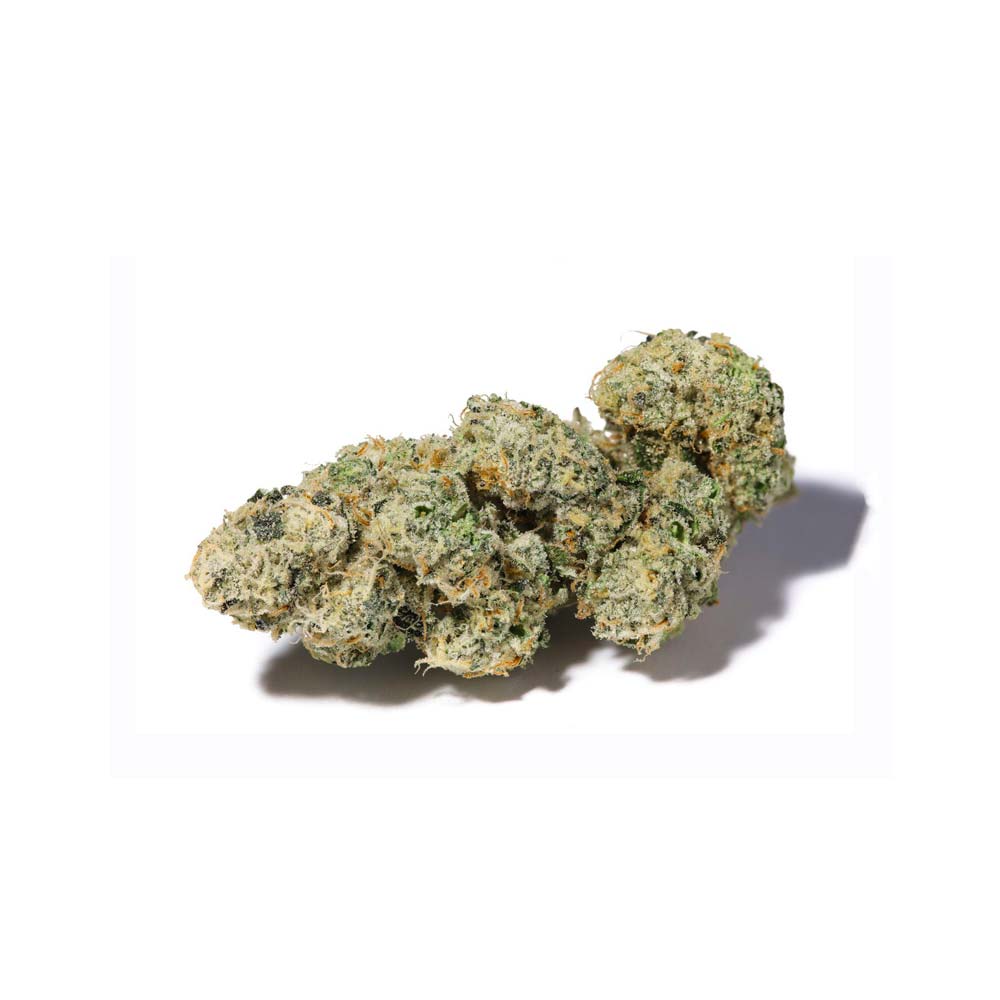
Medical Cannabis for Headaches UK – Migraine Guide
Medical Cannabis for Headaches and Migraines in the UK
Understanding Headaches and Migraines
Headaches and migraines affect millions of people across the UK, with migraines alone impacting approximately 10% of the population. Whilst most people experience occasional tension headaches, chronic migraines represent a debilitating condition characterised by throbbing pain, often accompanied by nausea, light sensitivity, and aura. Traditional treatment options include over-the-counter analgesics, prescription triptans, and preventative medications. However, many patients seek alternative or complementary approaches, prompting interest in medical cannabis as a potential therapeutic option.
Research into cannabis for headaches and migraines remains limited but promising. The endocannabinoid system plays a role in pain modulation, and both THC (tetrahydrocannabinol) and CBD (cannabidiol) have demonstrated analgesic properties in various studies. A 2020 study published in The Journal of Pain found that cannabis use was associated with a 50% reduction in migraine frequency among surveyed patients. However, most evidence remains anecdotal or derived from small-scale research.
CBD specifically has shown potential in reducing inflammation and modulating pain perception without the psychoactive effects of THC. Some patients report that cannabis acts as a muscle relaxant, alleviating tension-related headaches. The entourage effect—where cannabinoids and terpenes work synergistically—may enhance therapeutic benefits. Nevertheless, high-quality clinical trials remain scarce, and medical authorities remain cautious about definitive recommendations.
How Cannabis May Help
Cannabis may benefit headache and migraine sufferers through several mechanisms. The compound’s anti-inflammatory properties can reduce blood vessel inflammation associated with migraines. Its analgesic effects help manage acute pain, whilst its muscle-relaxant properties address tension headaches. Additionally, cannabis may reduce nausea and photophobia (light sensitivity), common migraine symptoms. Some patients report that cannabis helps interrupt the migraine cascade when used at onset, preventing progression to severe attacks.
Best Strains for Headaches and Migraines
Strain selection depends on individual tolerance and symptom profile. For acute migraine relief, balanced strains with moderate CBD and THC content are often preferred. ACDC offers high CBD with low THC, making it suitable for daytime use without significant psychoactive effects. Harlequin provides another CBD-dominant option with a 5:2 CBD-to-THC ratio.
For patients seeking stronger analgesia, strains like Cannatonic (6:1 CBD-to-THC) or Pennywise (1:1 ratio) may be effective. Northern Lights, known for relaxation and pain relief, suits evening use. Indica-dominant strains generally provide better pain and tension relief compared to sativas. However, individual responses vary considerably, and what works for one person may not suit another. Medical professionals can guide strain selection based on symptom severity and side effect tolerance.
Optimal Timing and Administration
Timing cannabis use around migraine patterns significantly influences effectiveness. Some patients benefit from using cannabis at the first sign of aura or initial pain, attempting to prevent full migraine development. Others find it more effective during established migraines to manage symptoms. For chronic tension headaches, consistent dosing may prove more beneficial than acute use.
Administration method matters considerably. Inhalation provides rapid onset (5-15 minutes), suitable for acute migraine management. Oils and tinctures offer faster absorption than edibles (15-45 minutes) whilst remaining discreet. Edibles take 1-2 hours but provide sustained relief, beneficial for overnight pain management or prevention. Topical applications may address localised tension without systemic effects. Starting with low doses and gradually increasing allows patients to find their optimal therapeutic window.
Accessing Medical Cannabis in the UK
Since November 2018, medical cannabis has been legal in the UK under specialist prescription. However, access remains restricted. Cannabis-based medicinal products are only prescribed when conventional treatments have failed. Patients typically need documentation showing unsuccessful trials of standard medications, including triptans.
Prescription triptans available on the NHS cost minimal amounts when dispensed through the standard prescription system (£9.90 per item in England). For patients paying privately, sumatriptan costs approximately £15-25 for a pack of tablets. Other triptans like naratriptan or frovatriptan range similarly.
Medical cannabis costs considerably more privately. Monthly cannabis treatment may cost £150-300 depending on dosage and strain. However, some patients find cannabis provides long-term relief reducing overall medication requirements. For those where triptans prove ineffective or cause intolerable side effects, cannabis may represent worthwhile investment. Private prescription insurance rarely covers cannabis, making cost a significant barrier for many patients.
Considerations and Precautions
Whilst medical cannabis appears safe, potential side effects include dizziness, dry mouth, impaired concentration, and drowsiness. Cannabis can interact with other medications, particularly those metabolised through cytochrome P450 enzymes. Patients should disclose all medications to prescribing specialists.
Dependence risk exists but appears lower with medical use than recreational consumption. Pregnant women should avoid cannabis entirely. Those with personal or family history of psychotic disorders should exercise particular caution, especially with THC-dominant products. Regular monitoring by specialists ensures ongoing suitability and dosage optimisation.
Conclusion
Medical cannabis represents an emerging option for UK patients with headaches and migraines, particularly those unresponsive to conventional treatments. Whilst evidence suggests potential benefits, high-quality clinical trials remain necessary. Access through private specialists offers a pathway for interested patients, though costs present significant barriers. Cannabis should not replace conventional treatments but may complement or substitute when standard approaches fail. Prospective users should seek specialist consultation, maintain realistic expectations, and approach treatment holistically.
Medical Disclaimer: The information on this page is for educational purposes only and does not constitute medical advice. Always consult a licensed healthcare professional before starting any new treatment.
https://cannazen.co.uk/wp-content/uploads/2026/01/cosmic-mac-cannabis-doctor-prescription-pharmacy-shop-blute.jpg10001000CannaZen UK Editorial Teamhttps://cannazen.co.uk/wp-content/uploads/2026/01/cannazen-shop-lieferung-cannabis-weed-hemp-online.svgCannaZen UK Editorial Team2026-05-14 20:58:192026-05-23 10:52:03Medical Cannabis for Headaches UK – Migraine Guide
We may request cookies to be set on your device. We use cookies to let us know when you visit our websites, how you interact with us, to enrich your user experience, and to customize your relationship with our website.
Click on the different category headings to find out more. You can also change some of your preferences. Note that blocking some types of cookies may impact your experience on our websites and the services we are able to offer.
Essential Website Cookies
These cookies are strictly necessary to provide you with services available through our website and to use some of its features.
Because these cookies are strictly necessary to deliver the website, refusing them will have impact how our site functions. You always can block or delete cookies by changing your browser settings and force blocking all cookies on this website. But this will always prompt you to accept/refuse cookies when revisiting our site.
We fully respect if you want to refuse cookies but to avoid asking you again and again kindly allow us to store a cookie for that. You are free to opt out any time or opt in for other cookies to get a better experience. If you refuse cookies we will remove all set cookies in our domain.
We provide you with a list of stored cookies on your computer in our domain so you can check what we stored. Due to security reasons we are not able to show or modify cookies from other domains. You can check these in your browser security settings.
Google Analytics Cookies
These cookies collect information that is used either in aggregate form to help us understand how our website is being used or how effective our marketing campaigns are, or to help us customize our website and application for you in order to enhance your experience.
If you do not want that we track your visit to our site you can disable tracking in your browser here:
Other external services
We also use different external services like Google Webfonts, Google Maps, and external Video providers. Since these providers may collect personal data like your IP address we allow you to block them here. Please be aware that this might heavily reduce the functionality and appearance of our site. Changes will take effect once you reload the page.
Google Webfont Settings:
Google Map Settings:
Google reCaptcha Settings:
Vimeo and Youtube video embeds:
Other cookies
The following cookies are also needed - You can choose if you want to allow them:
Privacy Policy
You can read about our cookies and privacy settings in detail on our Privacy Policy Page.