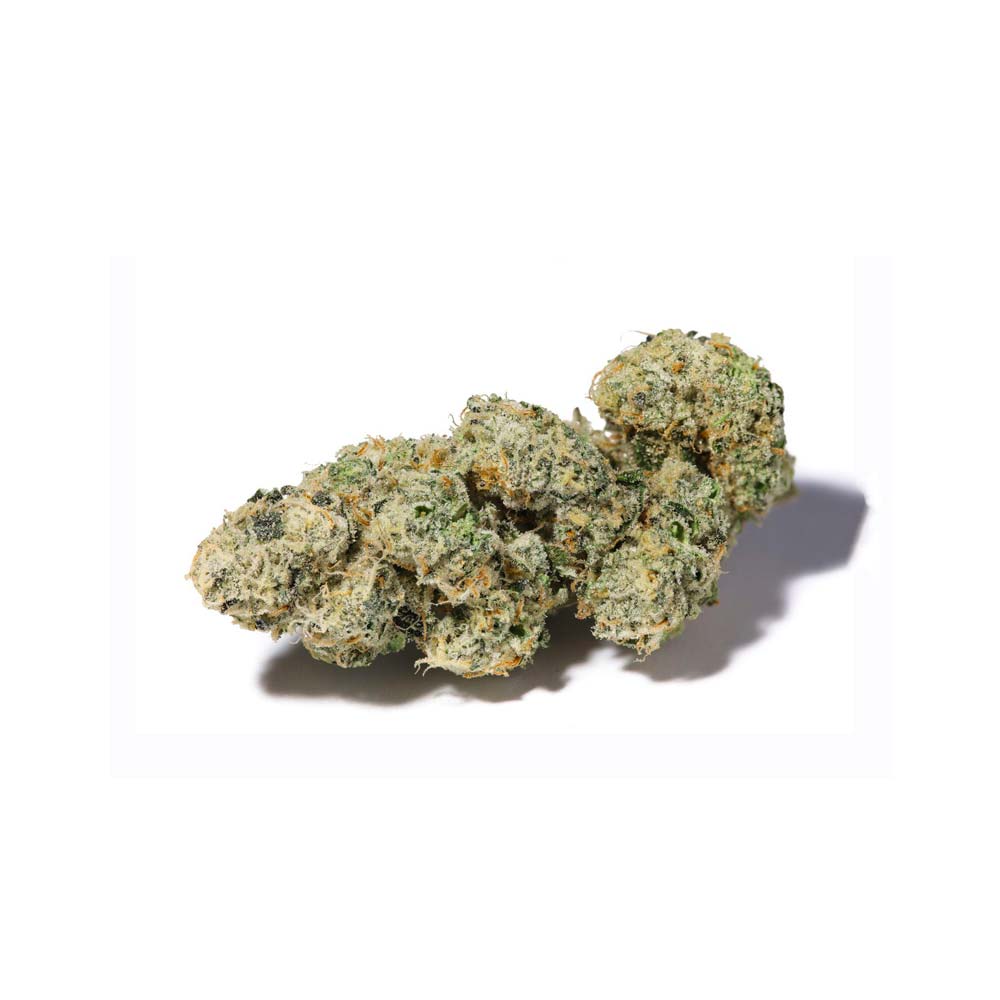
Medical Cannabis for OCD in the UK: A Comprehensive Guide
Obsessive-Compulsive Disorder (OCD) affects approximately 1-2% of the UK population, causing significant distress through intrusive thoughts and compulsive behaviours. Whilst traditional treatments like cognitive behavioural therapy (CBT) and selective serotonin reuptake inhibitors (SSRIs) remain the primary interventions, some patients experience inadequate symptom relief. Medical cannabis has emerged as a potential alternative treatment, though evidence remains limited. This guide explores the current evidence, mechanisms of action, and practical steps to access medical cannabis for OCD within the UK healthcare system.
Understanding OCD and Current Treatment Challenges
OCD involves persistent, unwanted thoughts (obsessions) and repetitive behaviours (compulsions) that interfere with daily functioning. Approximately 40-60% of OCD patients do not respond adequately to first-line treatments, creating a significant clinical need for novel therapeutic approaches. Traditional management typically involves psychological interventions and pharmacotherapy, but treatment-resistant cases present considerable challenges for both patients and clinicians.
The endocannabinoid system plays a crucial role in anxiety regulation and fear extinction—two processes fundamentally disrupted in OCD. The brain’s CB1 receptors, targeted by cannabis compounds, are particularly abundant in regions associated with anxiety and compulsive behaviours, including the amygdala, prefrontal cortex, and anterior cingulate cortex.
Current Evidence Base
Research into cannabis and OCD remains relatively sparse compared to other conditions. Most evidence is preliminary, derived from preclinical studies and anecdotal reports rather than robust clinical trials. A 2021 systematic review in the Journal of Clinical Medicine found limited evidence supporting cannabis use for OCD, emphasising the need for further research. However, observational studies suggest potential anxiolytic benefits that may extend to OCD symptom reduction in some patients.
Key Finding: Whilst evidence for medical cannabis in OCD is emerging, it should only be considered when first-line treatments have proven insufficient. The available research predominantly focuses on anxiety disorders rather than OCD specifically.
CBD vs THC: Understanding the Differences
The two primary active compounds in cannabis—cannabidiol (CBD) and tetrahydrocannabinol (THC)—have distinct pharmacological profiles relevant to OCD treatment.
Cannabidiol (CBD)
CBD is non-intoxicating and shows promise for anxiety disorders. Research suggests CBD may enhance serotonergic signalling and promote neuroplasticity—mechanisms potentially beneficial for OCD. A 2015 study in Neurotherapeutics highlighted CBD’s anxiolytic properties without the psychoactive effects associated with THC. Many clinicians and patients prefer CBD for OCD due to its favourable safety profile and lack of intoxication.
Tetrahydrocannabinol (THC)
THC is the psychoactive component, producing the characteristic “high” associated with cannabis. Whilst THC may provide short-term anxiety relief in some individuals, evidence suggests it could potentially worsen anxiety and obsessive thoughts in others, particularly at higher doses. THC’s unpredictable effects on OCD symptoms make it a less favourable choice compared to CBD-dominant formulations.
Clinical Recommendation: For OCD, CBD-dominant or CBD-only products are typically preferred over THC-rich formulations, though individualised treatment approaches remain essential.
Anxiety Reduction Mechanisms
Medical cannabis may reduce anxiety through several mechanisms relevant to OCD:
Fear extinction enhancement: CBD appears to facilitate the brain’s natural ability to extinguish conditioned fear responses—a process central to exposure-based CBT
Amygdala modulation: Cannabis compounds may reduce hyperactivity in the amygdala, the brain region processing emotional threats
Serotonergic activity: CBD may enhance serotonin signalling through 5-HT1A receptor activation, similar to SSRI mechanisms
Neuroinflammation reduction: Anti-inflammatory properties may protect neuronal function in anxiety-related circuits
Sleep improvement: Better sleep quality can reduce OCD symptom severity and anxiety levels
Accessing Medical Cannabis on the NHS
Medical cannabis became legally prescribable in the UK on 1 November 2018, though access remains restricted and complex.
Current Access Pathway
NHS prescriptions for medical cannabis are exceptionally rare. Specialists, particularly neurologists, psychiatrists, and pain consultants, can prescribe only when:
First-line treatments have been exhausted or are unsuitable
Substantial evidence supports use for the specific condition
Benefits are likely to outweigh potential harms
For OCD specifically, NHS prescriptions are virtually non-existent due to insufficient clinical evidence. Accessing medical cannabis typically requires private consultation and prescription.
Private Routes
Several private clinics in the UK offer medical cannabis consultations for OCD. The process typically involves:
Initial consultation with a doctor experienced in cannabis medicine
Detailed medical history review and symptom assessment
Discussion of risks, benefits, and alternative treatments
Prescription issued if deemed appropriate
Ongoing monitoring and dose adjustment
Costs and Expenses
Medical cannabis in the UK is substantially more expensive when accessed privately compared to traditional medications.
Cost Element
Typical Range (£)
Initial private consultation
150–300
Follow-up consultation (monthly)
100–200
CBD oil per month (varying strengths)
80–150
Full-spectrum cannabis products
100–200 per month
Annual cost (including consultations)
2,000–4,000
Costs vary significantly depending on product type, strength, and clinic location. Some clinics offer package deals or reduced follow-up consultation fees. Unlike NHS prescriptions, medical cannabis is not covered by NHS costs.
Important Considerations and Precautions
Before pursuing medical cannabis for OCD, patients should understand important considerations:
Quality assurance: Ensure products are tested and meet pharmaceutical standards
Drug interactions: Cannabis may interact with SSRIs, sedatives, and other medications
Employment implications: Some employers conduct drug screening; THC may be detectable
Pregnancy and breastfeeding: Medical cannabis should be avoided
Psychological dependence: Regular use may lead to dependence in susceptible individuals
Mental health monitoring: Careful supervision is essential for psychiatric conditions
Conclusion
Medical cannabis represents an emerging potential treatment for treatment-resistant OCD in the UK, though evidence remains preliminary. CBD shows more promise than THC for this indication based on anxiety-reduction mechanisms and safety profiles. Accessing medical cannabis involves navigating private healthcare routes, as NHS prescriptions for OCD remain unavailable. Costs are substantial, ranging from £2,000–£4,000 annually. Patients should view medical cannabis as one option within comprehensive OCD treatment, complementing proven interventions like CBT and pharmacotherapy rather than replacing them. Consultation with experienced healthcare professionals is essential before initiating treatment.
Medical Disclaimer: The information on this page is for educational purposes only and does not constitute medical advice. Always consult a licensed healthcare professional before starting any new treatment.
https://cannazen.co.uk/wp-content/uploads/2026/01/cosmic-mac-cannabis-doctor-prescription-pharmacy-shop-blute.jpg10001000CannaZen UK Editorial Teamhttps://cannazen.co.uk/wp-content/uploads/2026/01/cannazen-shop-lieferung-cannabis-weed-hemp-online.svgCannaZen UK Editorial Team2026-05-14 20:36:372026-05-23 10:53:39OCD and Medical Cannabis UK – Treatment Guide
We may request cookies to be set on your device. We use cookies to let us know when you visit our websites, how you interact with us, to enrich your user experience, and to customize your relationship with our website.
Click on the different category headings to find out more. You can also change some of your preferences. Note that blocking some types of cookies may impact your experience on our websites and the services we are able to offer.
Essential Website Cookies
These cookies are strictly necessary to provide you with services available through our website and to use some of its features.
Because these cookies are strictly necessary to deliver the website, refusing them will have impact how our site functions. You always can block or delete cookies by changing your browser settings and force blocking all cookies on this website. But this will always prompt you to accept/refuse cookies when revisiting our site.
We fully respect if you want to refuse cookies but to avoid asking you again and again kindly allow us to store a cookie for that. You are free to opt out any time or opt in for other cookies to get a better experience. If you refuse cookies we will remove all set cookies in our domain.
We provide you with a list of stored cookies on your computer in our domain so you can check what we stored. Due to security reasons we are not able to show or modify cookies from other domains. You can check these in your browser security settings.
Google Analytics Cookies
These cookies collect information that is used either in aggregate form to help us understand how our website is being used or how effective our marketing campaigns are, or to help us customize our website and application for you in order to enhance your experience.
If you do not want that we track your visit to our site you can disable tracking in your browser here:
Other external services
We also use different external services like Google Webfonts, Google Maps, and external Video providers. Since these providers may collect personal data like your IP address we allow you to block them here. Please be aware that this might heavily reduce the functionality and appearance of our site. Changes will take effect once you reload the page.
Google Webfont Settings:
Google Map Settings:
Google reCaptcha Settings:
Vimeo and Youtube video embeds:
Other cookies
The following cookies are also needed - You can choose if you want to allow them:
Privacy Policy
You can read about our cookies and privacy settings in detail on our Privacy Policy Page.