What is made from hemp? 9 practical things you know!
In the history of cannabis, many products have been developed that still shape our everyday lives today: Clothing, food, oils and energy, paper and building materials as well as numerous remedies can be made from hemp. Hemp can be grown and processed without chemicals. It is very tear-resistant and is generally regarded as the most stable plant fiber. What is particularly exciting is that hemp is not only used for textiles, but also serves as a sustainable alternative in many other areas. Whether as paper, rope or building material – the plant’s versatility is impressive. What is made from hemp? 9 practical things you know from everyday life!
A sustainable all-rounder: hemp
Speaking of everyday life, this morning on Sat.1 breakfast television, the world champion florist. He ties his bouquets with hemp cords instead of plastic. Naturally, this caught my attention. Hemp is not only ecologically valuable, but also a real alternative to many conventional materials. This prompted me to take a closer look at the many possible uses of this special plant.
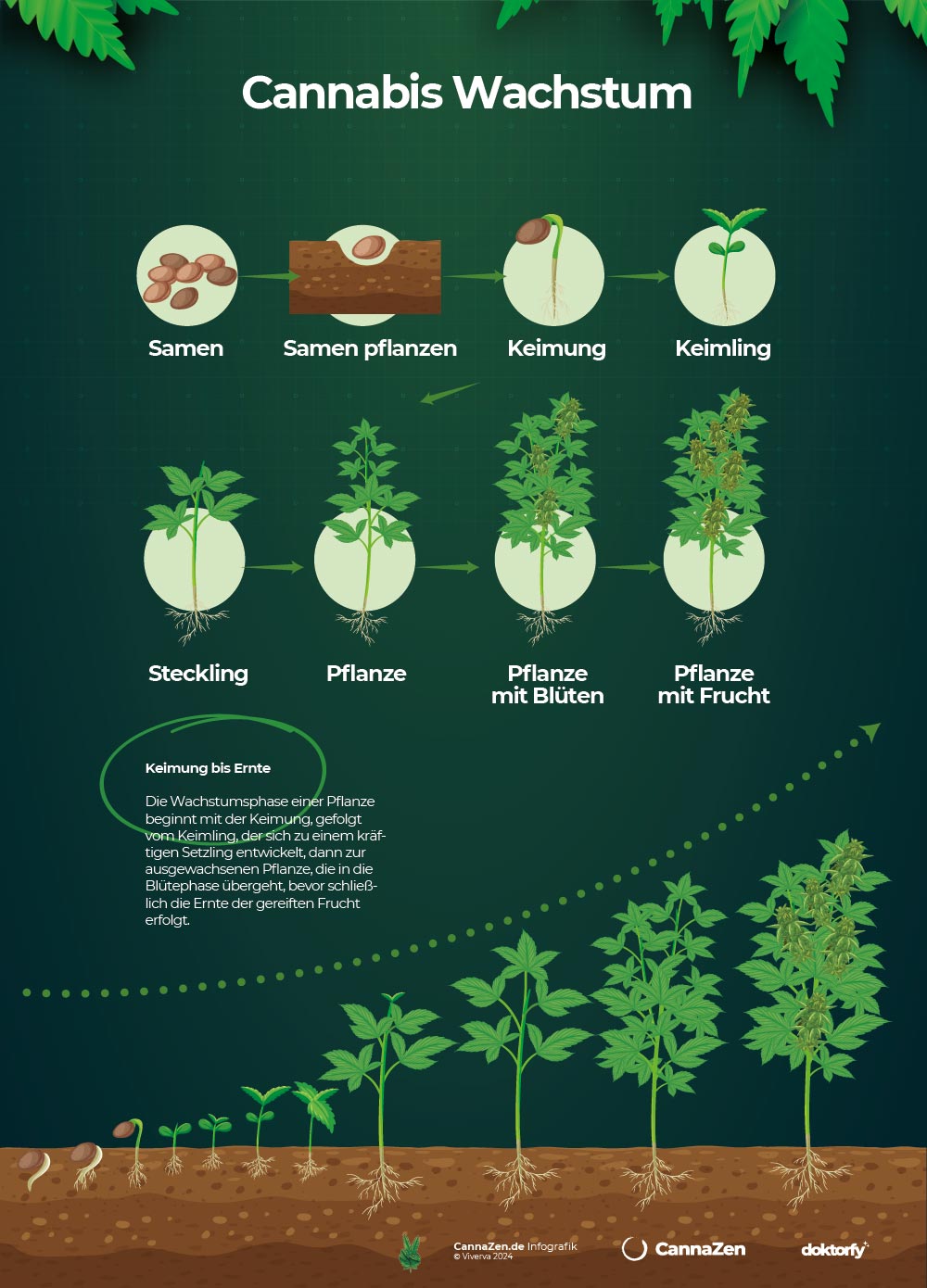
How a hemp plant grows
In this small infographic you can see how a cannabis seed becomes a cannabis plant, the components of which can then be used for various industries. Textiles, construction, cosmetics. How a cannabis plant grows.
Plant parts and their use
Which part of the plant is used for what? Here is a compact overview of which parts of the hemp plant are used for what:
Stalks – fiber production for textiles, ropes, insulating materials
Shives (wooden part in the stem) – building materials such as hempcrete, animal litter
You want advantages? Hemp is sustainable, environmentally friendly, uses less water and grows back quickly. Wow! Here are 10 advantages of the hemp plant.
Sustainable & environmentally friendly – grows without pesticides
Low water consumption – significantly less than cotton
Biodegradable – no plastic pollution
Extremely tear-resistant & durable – ideal for textiles & ropes
Fast-growing – harvest in a few months
Versatile – from clothing to building materials
COâ-binding – improves air quality
Hypoallergenic – ideal for sensitive skin
No tree felling necessary – sustainable paper production
And of course, … the medicinal potential – proven for thousands of years
You see, hemp can be grown in this country, which saves a lot of resources. Did you know that? Hemp was already being processed on a large scale in Germany in the Middle Ages, more on that in a moment.
1. textiles & clothing
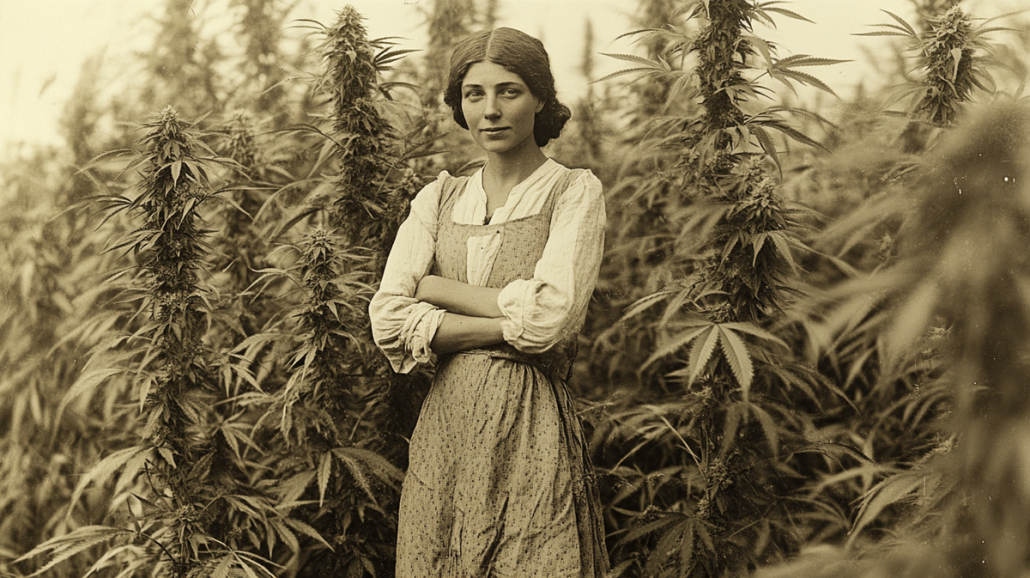
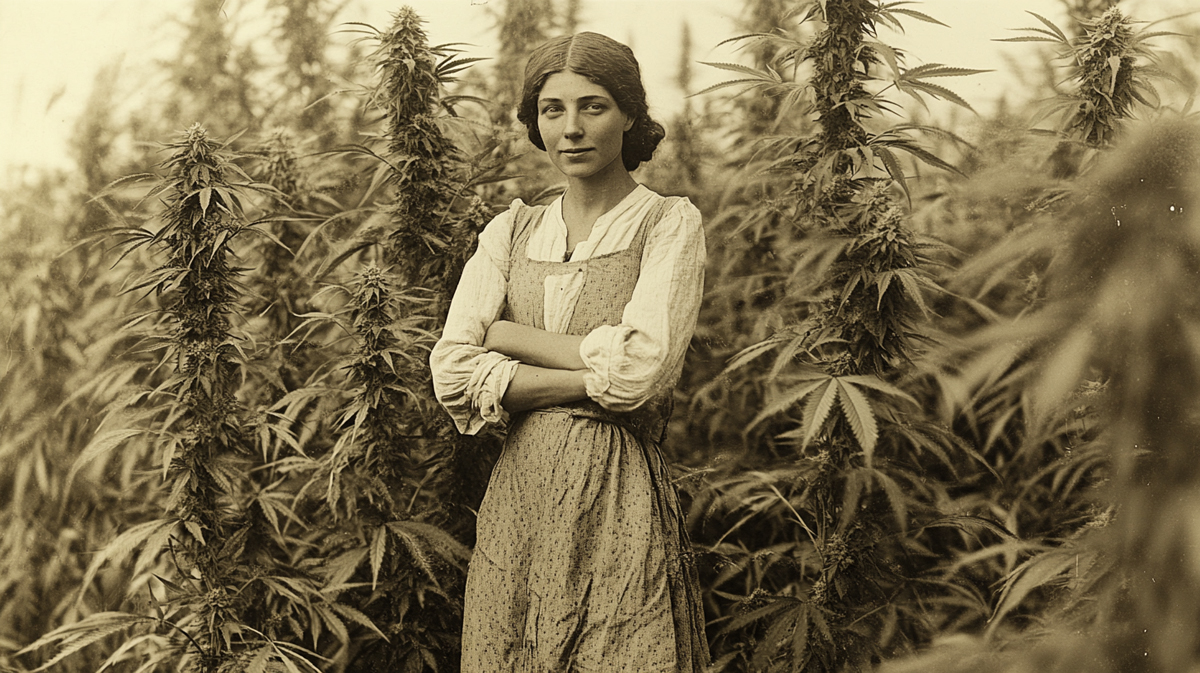
Bauernbetrieb mit Hanfanbau um 1840 (KI)
Hemp is a robust natural fiber that is used for sustainable clothing, shoes and accessories. Many well-known brands now rely on hemp textiles because they are durable, breathable and antibacterial. The fibers are particularly hard-wearing and offer a high level of comfort. In addition, hemp cultivation requires significantly less water than cotton and does not require pesticides. This makes it an environmentally friendly choice for the fashion industry.
Tear-resistant hemp jeans
Hemp T-shirts & sweaters
Sustainable hemp shoes
Breathable socks
Robust bags & backpacks
Hemp for the textile industry? That must be incredible quantities! That’s right. Here you can see how hemp is grown and harvested on a large scale.
Hemp paper has been used for centuries and is a sustainable alternative to conventional paper. It requires fewer chemicals in processing and is more resistant to yellowing. Even in the past, important documents were printed on hemp paper because it is durable. Today, there are notebooks, printing paper and packaging made from hemp that are produced in an environmentally friendly way. In the packaging industry in particular, hemp could replace plastic in the long term.
Environmentally friendly notebooks
Hemp printing paper
Tear-resistant packaging
Historical hemp scrolls
Ecological gift packaging
3. ropes & cords
Hemp ropes are extremely tear-resistant and resistant to moisture – they are often used for maritime purposes or in horticulture. Hemp ropes also play a role in floristry, such as with world champion florist Nicolaus Peters on Sat.1 breakfast television. They are a sustainable alternative to synthetic fiber ropes and impress with their durability. In the past, ship ropes were made from hemp because they are particularly hard-wearing and weather-resistant.
Sturdy hemp cords
Ropes for shipping
Tear-resistant garden cords
Decorative macramé ropes
Hemp ropes for construction
Unfortunately there was no post from Sat1 to embed, but I found this little Insta video for you.
Of course, it also gets exciting when it comes to oils, as patients can now order them online, even with THC. But let’s get back to hemp itself, whether with or without THC. Hemp oil is particularly rich in valuable fatty acids and is a popular superfood. Hemp seeds provide high-quality vegetable protein and are often used in muesli or smoothies. Hemp powder is also popular as a natural source of protein in sports nutrition.
Hemp oil (cold-pressed, rich in omega-3 fatty acids)
Hemp oil is pressed from the seeds of the plant and is particularly nutritious. It contains an ideal ratio of omega-3 to omega-6 fatty acids and is perfect for salads or skin care.
For example, production has been going on here since 1650, incredible!
Hemp seeds (high in protein, popular as a superfood)
Hemp seeds contain all the essential amino acids and are an excellent plant-based source of protein. They can be used in mueslis, smoothies or as a topping for salads.
Hemp powder (as a source of protein in shakes or muesli)
Hemp powder is made from ground hemp seeds and provides a natural source of protein for athletes and vegans. It is easy to digest and contains many nutrients.
Almost more importantly, also due to the hype surrounding CBD products:
5. cosmetics & care products
Many shampoos, soaps, creams and lip balms and other cosmetics contain hemp oil because it is skin-friendly and moisturizing. Just as hemp fibers provide longevity in the textile industry (hemp product #1), hemp oil provides natural care in cosmetics. Its anti-inflammatory properties make it particularly popular with sensitive skin. From hand creams to hair care – hemp has long been an integral part of natural cosmetics.
Nourishing hemp creams
Shampoo with hemp oil
Hemp soap for skin
Lip balm with hemp
Hemp hand cream
6. building materials & insulation materials
Hempcrete is used as an environmentally friendly alternative to concrete, and hemp fibers are used as insulation material for houses. Just as hemp provides tear-resistant textiles, it also impresses in the construction industry with its stability. Hempcrete is light, mold-resistant and regulates the indoor climate. Hemp is also a sustainable choice for insulating materials, as it can absorb moisture and has a long service life.
Hemp is used as a raw material for biodegradable plastics that are intended to replace plastic – for packaging, cutlery or even car parts, for example. Just as hemp provides durable fibers in the textile industry, it also offers a sustainable alternative in plastic production. Hemp bioplastics are robust, compostable and reduce the environmental impact compared to conventional plastic. Large companies are already experimenting with hemp composites in order to develop more sustainable products.
Biodegradable cups
Sustainable packaging
Hemp-plastic cutlery
Eco car parts
Recyclable carrier bags
8. pet products
Hemp is not only useful for humans, but also for pets. There are hemp dog leashes, hemp toys and even hemp food supplements for animals. The tear-resistant fibers make for durable accessories, while hemp oil and hemp seeds can be a healthy addition to a pet’s diet. Many pet owners swear by hemp products as they are more natural and sustainable than synthetic alternatives.
Hemp dog leads
Toys made from hemp fibers
Healthy hemp treats
Hemp feed
Ecological scratching posts
Last but not least…
9. medical application
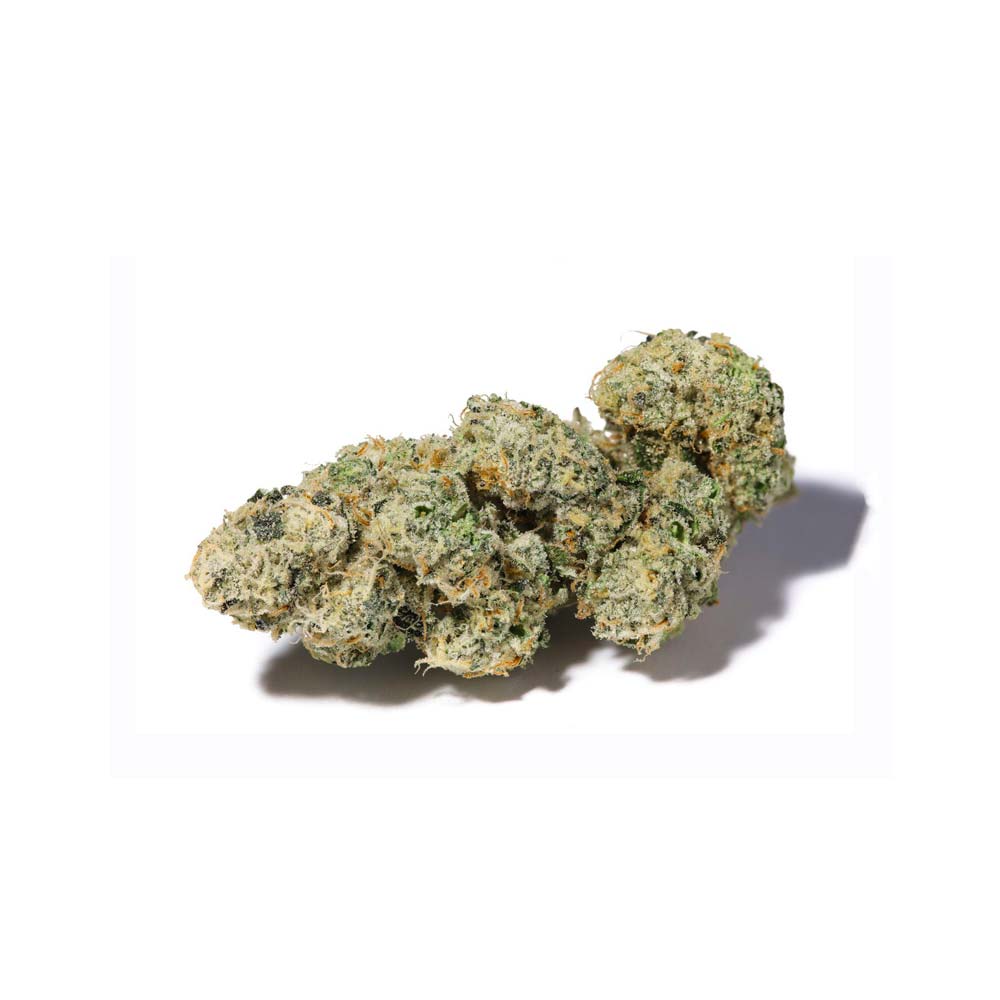
Did you know that cannabis was used as a medicinal plant over 2,500 years ago? The plant, which is often the subject of controversy today, was once an integral part of medicine in many cultures. Everyone talks about medicinal cannabis, but the medical use of cannabis is older than you might think. From China to Egypt to Ancient Greece – doctors and healers everywhere discovered the amazing effects of cannabis.
Today, cannabis is used in modern medicine primarily for pain therapy, neurological disorders and to relieve inflammation. There are various dosage forms, from flowers to oils and capsules. The active ingredient CBD, which is not psychoactive, has become particularly popular in alternative medicine. Research is still in its infancy, but initial studies are showing promising results.
Pain-relieving cannabis oils
CBD against inflammation
THC for pain therapy
Hemp in natural medicine
Traditional healing treatments
Learn more about cannabis in medical use as a therapy and its history here:
Medical Disclaimer: The information on this page is for educational purposes only and does not constitute medical advice. Always consult a licensed healthcare professional before starting any new treatment.
https://cannazen.co.uk/wp-content/uploads/2025/03/hemp-nutzung-germany-foto-1860-ki-frau-hanffeld.jpg6731200Teamhttps://cannazen.co.uk/wp-content/uploads/2026/01/cannazen-shop-lieferung-cannabis-weed-hemp-online.svgTeam2025-01-09 14:43:222026-05-17 10:34:43What is made from hemp? 9 practical things you know!
We may request cookies to be set on your device. We use cookies to let us know when you visit our websites, how you interact with us, to enrich your user experience, and to customize your relationship with our website.
Click on the different category headings to find out more. You can also change some of your preferences. Note that blocking some types of cookies may impact your experience on our websites and the services we are able to offer.
Essential Website Cookies
These cookies are strictly necessary to provide you with services available through our website and to use some of its features.
Because these cookies are strictly necessary to deliver the website, refusing them will have impact how our site functions. You always can block or delete cookies by changing your browser settings and force blocking all cookies on this website. But this will always prompt you to accept/refuse cookies when revisiting our site.
We fully respect if you want to refuse cookies but to avoid asking you again and again kindly allow us to store a cookie for that. You are free to opt out any time or opt in for other cookies to get a better experience. If you refuse cookies we will remove all set cookies in our domain.
We provide you with a list of stored cookies on your computer in our domain so you can check what we stored. Due to security reasons we are not able to show or modify cookies from other domains. You can check these in your browser security settings.
Google Analytics Cookies
These cookies collect information that is used either in aggregate form to help us understand how our website is being used or how effective our marketing campaigns are, or to help us customize our website and application for you in order to enhance your experience.
If you do not want that we track your visit to our site you can disable tracking in your browser here:
Other external services
We also use different external services like Google Webfonts, Google Maps, and external Video providers. Since these providers may collect personal data like your IP address we allow you to block them here. Please be aware that this might heavily reduce the functionality and appearance of our site. Changes will take effect once you reload the page.
Google Webfont Settings:
Google Map Settings:
Google reCaptcha Settings:
Vimeo and Youtube video embeds:
Other cookies
The following cookies are also needed - You can choose if you want to allow them:
Privacy Policy
You can read about our cookies and privacy settings in detail on our Privacy Policy Page.