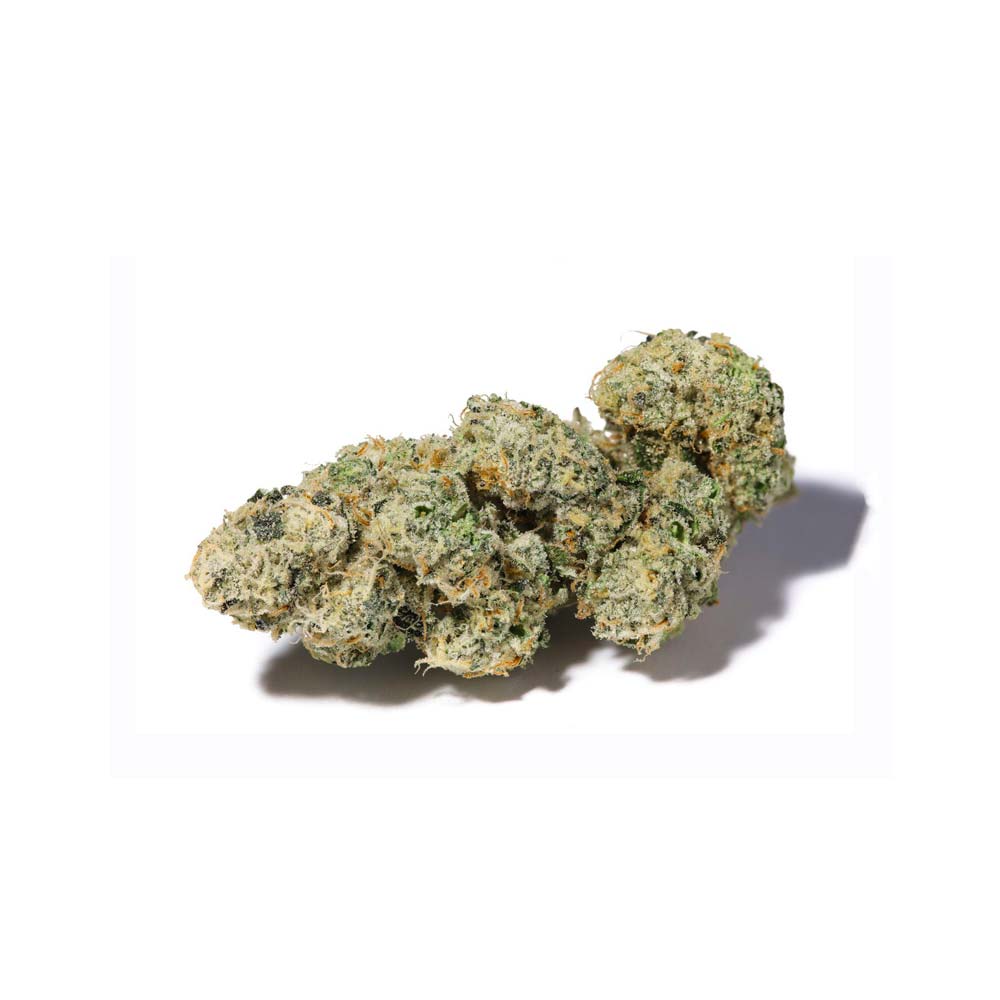
Common problems when growing cannabis: what to do? Despite the best preparation and careful care, problems can always occur when growing cannabis. These problems can affect the growth of your plants and reduce the yield. Whether it’s pests, nutrient deficiencies or diseases – it’s important to recognize them early and react correctly. In this guide, you will find out what the most common problems are when growing cannabis and what you can do to remedy them. With the right measures, you can save your plants and still end up with a successful harvest. Get back to all cannabis growing tips here. No time to wait? Then go directly to our store here.
1. pests: small insects, big problems
Pests are one of the most common problems in cannabis cultivation. These small insects can quickly pose a major threat to your plants by damaging the foliage or extracting important plant juices. Spider mites, thrips and aphids are particularly common. They often multiply quickly and can cause considerable damage if they are not controlled early on. Pests are often difficult to detect, so it is important to check your plants regularly.
Common pests and what you can do:
Spider mites: These tiny mites weave a fine web on the leaves. Combat them with neem oil or predatory mites.
Thrips: These small insects suck the sap from the leaves and leave silvery spots. They can be controlled with pyrethrum-based insecticides.
Aphids: Aphids multiply quickly and damage plants by extracting nutrients. Soapy water or neem oil help to combat them.
Zen you! … yourself. Not in the mood for time, care and waiting? For patients: Order cannabis online.
2. mold: an invisible danger
Mold is another common problem in cannabis cultivation, especially if the humidity is too high. Mold can render the flowers unusable and quickly spread to other parts of the plant. A common mold is the so-called gray mold (Botrytis), which attacks the flowers and makes them brown and mushy. Mould is often difficult to detect until it is too late, so it is important to control the humidity and ventilation of your grow room.
How to recognize and avoid mould:
Gray mold: Affects the flowers and leaves behind brown, rotten spots. Remove affected flowers immediately and improve ventilation.
Powdery mildew: A white, powdery coating on the leaves. Combat it with sulphur preparations and reduce the humidity.
Prevention: Keep the humidity in the growing room below 50% and ensure good air circulation.
Cannabis plants need a balanced supply of nutrients in order to grow healthily and produce strong flowers. If your plants do not receive enough nutrients or the nutrient supply is not balanced, deficiency symptoms can occur. These often manifest themselves in yellow leaves, stunted growth or burnt leaf tips. Every nutrient deficiency has a characteristic appearance and it is important to recognize these signs and react quickly.
Typical nutrient deficiencies and their signs:
Nitrogen deficiency: Yellow leaves starting at the bottom of the plant. Add a nitrogen-rich fertilizer.
Phosphorus deficiency: Dark spots or reddish discoloration on the leaves. Use a phosphorus-rich fertilizer.
Potassium deficiency: Yellow leaf edges and burnt tips. Add potassium to the nutrient solution.
Correct irrigation is a decisive factor for the success of your cultivation. Too much or too little water can quickly lead to problems. Overwatering literally drowns the roots as they do not get enough oxygen. This leads to root rot and limp, yellow leaves. Underwatering, on the other hand, causes the plants to wilt and leads to them not being able to absorb enough nutrients. It is important to find a balance and give the plants exactly the amount of water they need.
How to optimize irrigation:
Overwatering: Yellow, limp leaves. Reduce watering and ensure better drainage.
Underwatering: wilted leaves and dry soil. Water the plants regularly without drowning them.
Control: Check the weight of the pots and the moisture of the soil to find the right watering level.
Cannabis plants thrive at an optimal temperature of 20-28°C. However, if the temperatures get too high, your plants can suffer from heat stress. This leads to burnt leaf tips, curling of the leaves and, in the worst case, death of the plant. Heat stress is particularly common in indoor cultivation if the lighting is too close to the plants or the ventilation is inadequate.
How to recognize and remedy heat stress:
Symptoms: Burnt leaf tips, curled leaves and rapid wilting of the plants.
Measures: Reduce the temperature in the growing room, improve ventilation and increase the distance to the light source.
Prevention: Ensure a stable temperature between 20-28°C and good air circulation.
The pH value of the soil or nutrient solution plays a decisive role in the nutrient uptake of your plants. If the pH value is too high or too low, the roots cannot absorb certain nutrients properly, even if they are present in sufficient quantities. This can lead to deficiency symptoms, even though you are actually supplying the right nutrients. For growing cannabis, the optimum pH is 6.0-7.0 for soil and 5.5-6.5 for hydroponic systems.
Conclusion: Recognize and rectify problems at an early stage
Growing cannabis can be affected by various problems that jeopardize growth and harvest. Pests, mold, nutrient deficiencies and irrigation problems are just some of the most common challenges you may face.
It is important to recognize these problems early on and take appropriate measures to protect your plants.
Continue with part 9: Hydroponics & LST
Hydroponics and LST in cannabis cultivation – Once you have mastered the basics of cannabis cultivation and are successfully harvesting your plants on a regular basis, you may want to turn to more advanced techniques to maximize your yield and unlock the full potential of your plants.
Part 9: Hydroponics & LST
Growing cannabis at home: Our tips
Growing cannabis can be an incredibly rewarding experience if you follow the right steps. Whether you’re a beginner or an experienced grower, there’s always something new to learn, and with patience and care, you’ll be rewarded in the end. Make sure to take good care of your plants and enjoy the fruits of your labor!
Medical Disclaimer: The information on this page is for educational purposes only and does not constitute medical advice. Always consult a licensed healthcare professional before starting any new treatment.
We may request cookies to be set on your device. We use cookies to let us know when you visit our websites, how you interact with us, to enrich your user experience, and to customize your relationship with our website.
Click on the different category headings to find out more. You can also change some of your preferences. Note that blocking some types of cookies may impact your experience on our websites and the services we are able to offer.
Essential Website Cookies
These cookies are strictly necessary to provide you with services available through our website and to use some of its features.
Because these cookies are strictly necessary to deliver the website, refusing them will have impact how our site functions. You always can block or delete cookies by changing your browser settings and force blocking all cookies on this website. But this will always prompt you to accept/refuse cookies when revisiting our site.
We fully respect if you want to refuse cookies but to avoid asking you again and again kindly allow us to store a cookie for that. You are free to opt out any time or opt in for other cookies to get a better experience. If you refuse cookies we will remove all set cookies in our domain.
We provide you with a list of stored cookies on your computer in our domain so you can check what we stored. Due to security reasons we are not able to show or modify cookies from other domains. You can check these in your browser security settings.
Google Analytics Cookies
These cookies collect information that is used either in aggregate form to help us understand how our website is being used or how effective our marketing campaigns are, or to help us customize our website and application for you in order to enhance your experience.
If you do not want that we track your visit to our site you can disable tracking in your browser here:
Other external services
We also use different external services like Google Webfonts, Google Maps, and external Video providers. Since these providers may collect personal data like your IP address we allow you to block them here. Please be aware that this might heavily reduce the functionality and appearance of our site. Changes will take effect once you reload the page.
Google Webfont Settings:
Google Map Settings:
Google reCaptcha Settings:
Vimeo and Youtube video embeds:
Other cookies
The following cookies are also needed - You can choose if you want to allow them:
Privacy Policy
You can read about our cookies and privacy settings in detail on our Privacy Policy Page.
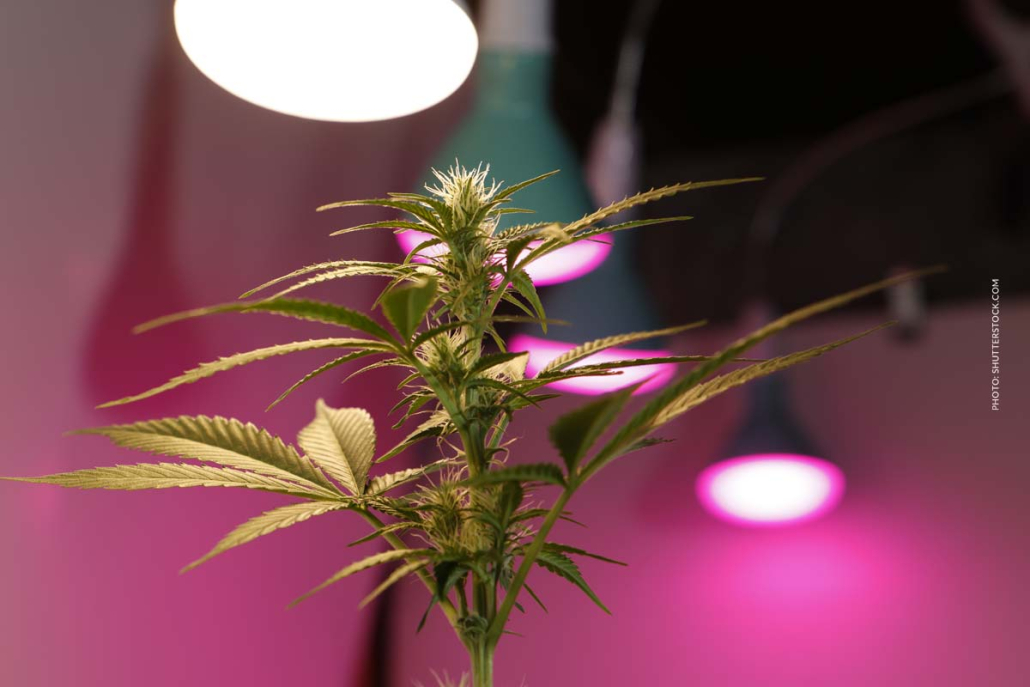
 Pests are one of the most common problems in cannabis cultivation. These small insects can quickly pose a major threat to your plants by damaging the foliage or extracting important plant juices. Spider mites, thrips and aphids are particularly common. They often multiply quickly and can cause considerable damage if they are not controlled early on. Pests are often difficult to detect, so it is important to check your plants regularly.