
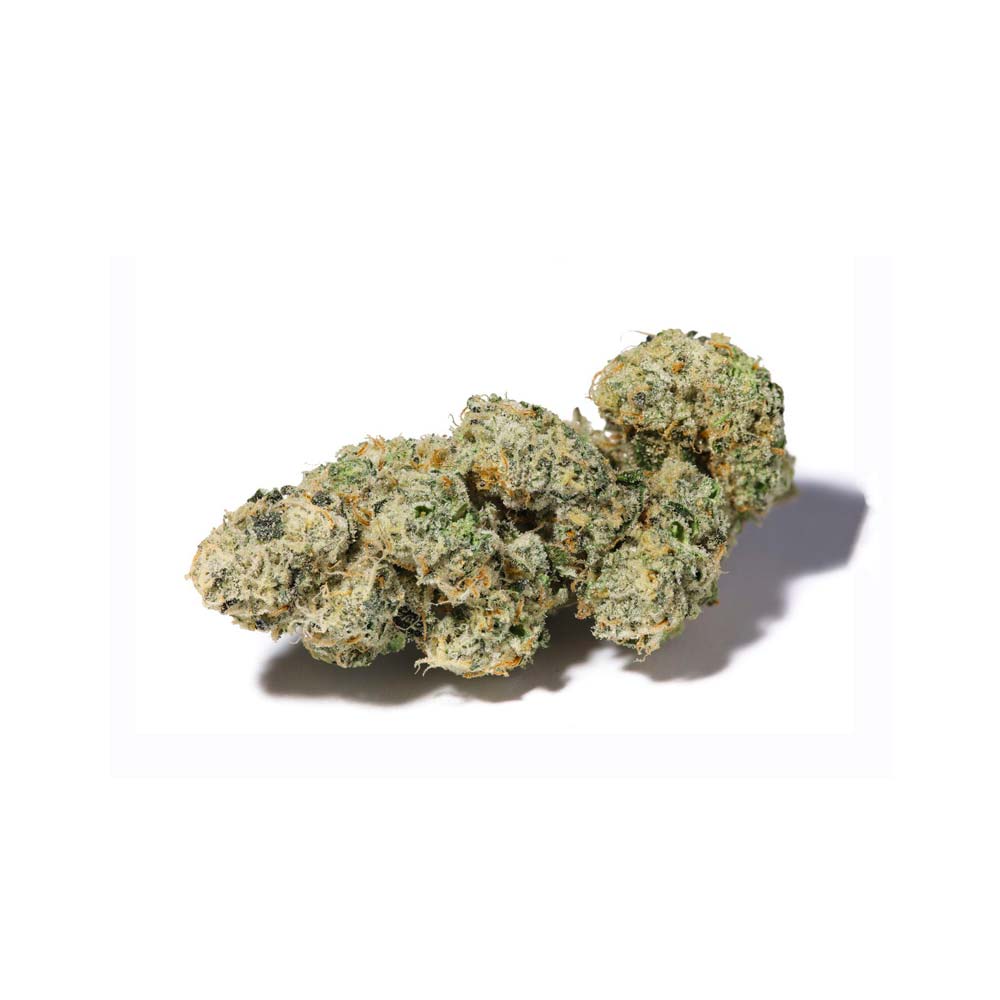
Legal Status: The Fundamental Difference
The most significant distinction between medical and recreational cannabis in the UK lies in their legal status. Medical cannabis remains a Schedule 2 controlled drug, meaning it is technically illegal to possess or supply without proper authorisation. However, doctors can legally prescribe cannabis-based products when conventional treatments have failed. This creates a legal pathway for patients with specific conditions, such as chronic pain, epilepsy, and multiple sclerosis.
Recreational cannabis, conversely, remains a Class B drug under the Misuse of Drugs Act 1971. Possession, distribution, and cultivation are all criminal offences, carrying potential sentences of up to five years imprisonment for possession with intent to supply. This fundamental legal difference shapes everything from availability to quality standards. For more detailed information about cannabis legislation, you can explore the current cannabis laws in the UK.
Quality and Testing Standards
Medical cannabis undergoes rigorous pharmaceutical testing and quality assurance procedures. Products are manufactured under strict regulatory conditions, meeting Good Manufacturing Practice (GMP) standards. Each batch is analysed for cannabinoid content, microbial contamination, pesticide residues, and heavy metals. Patients receive precisely labelled products with known concentrations of THC, CBD, and other cannabinoids.
Recreational cannabis purchased from street sources receives no such testing. Users have no way of verifying what they are actually consuming. Products may be contaminated with mould, bacteria, pesticides, or harmful additives. The potency is unpredictable, with THC concentrations varying wildly between batches or even within the same product. This inconsistency represents a significant health risk, particularly regarding accidental overconsumption.
Strain Selection and Cannabinoid Ratios
Medical cannabis strains are selected based on their therapeutic properties and cannabinoid profiles. A patient with epilepsy might be prescribed a high-CBD, low-THC strain to minimise psychoactive effects whilst maximising neuroprotective benefits. Conversely, someone with chronic pain might receive a balanced THC:CBD ratio or a THC-dominant product.
Recreational cannabis cultivation has historically prioritised maximum THC content. Modern street varieties often contain 15-25% THC or higher, with minimal CBD to balance the psychoactive effects. This focus on potency increases both the risk of acute anxiety, paranoia, and psychosis, and the potential for cannabis use disorder. The absence of CBD, which offers some protective properties, further increases these risks.
Consumption Methods and Administration
Medical cannabis in the UK is typically available as oral medications (oils, capsules), dried flower for vaporisation, or sprays. These methods allow precise dosing and consistent absorption. Vaporisation is preferred over smoking as it reduces respiratory irritation and harmful combustion byproducts whilst delivering predictable doses.
Recreational users employ various consumption methods, from smoking joints and using bongs to eating homemade edibles with unknown potency. Smoking cannabis produces tar and other carcinogens similar to tobacco, affecting lung health. Homemade edibles frequently cause accidental overdoses because THC is unevenly distributed throughout the product and effects take 1-2 hours to manifest, prompting users to consume more before feeling effects.
Cost Comparison and Value
Medical cannabis prescriptions typically cost between £5 and £15 per month on the NHS, or significantly more through private clinics (£100-300+ monthly). This might seem expensive compared to street cannabis, but the value proposition differs considerably. You receive consistent, tested products with known dosages and clinical oversight, which often reduces overall healthcare expenditure by decreasing hospitalisations, emergency room visits, and additional medications needed to manage side effects.
Street cannabis appears cheaper upfront but offers no quality assurance. Users frequently purchase larger quantities to guarantee consistent availability, and variable potency often leads to overconsumption. The hidden costs include potential legal penalties, untreated side effects, and complications from contaminants.
What Medical Prescriptions Provide
A medical cannabis prescription provides pharmaceutical-grade products with certificates of analysis, printed labelling indicating exact THC and CBD percentages, clear dosing instructions, and pharmacy support. Patients receive follow-up appointments to monitor efficacy and adjust doses. Products are delivered through legitimate pharmaceutical supply chains, guaranteeing consistency between prescriptions.
Street cannabis offers none of these protections. You receive an unknown product, potentially laced with other substances, with no dosing guidance or medical oversight. If adverse reactions occur, you cannot report them to anyone without risking legal consequences.
Transitioning from Recreational to Medical Cannabis
If you currently use recreational cannabis and believe it might help a medical condition, the transition to medical cannabis begins with a GP consultation. Not all doctors are familiar with prescribing cannabis, so persistence may be necessary. Be honest about your current use and medical history. Learn the specific process for obtaining a medical, which may involve specialist referrals to neurologists, pain specialists, or other consultants.
Upon prescription approval, you will typically receive a lower THC product than you may have been using recreationally. This adjustment period requires patience, but the superior quality and safety of medical cannabis often produces better therapeutic outcomes than recreational use.
The Harm Reduction Argument
From a harm reduction perspective, legalised medical cannabis represents genuine progress. It provides a safer alternative for people who would otherwise source cannabis from dangerous, unregulated markets. The quality assurance, dosage consistency, and medical supervision minimise risks of contamination, accidental overdose, and serious adverse events.
Furthermore, the availability of high-CBD, low-THC products reduces risks associated with high-potency cannabis, particularly for individuals vulnerable to psychosis or anxiety disorders. For many patients with treatment-resistant conditions, medical cannabis offers relief when conventional medications fail, with fewer side effects than some pharmaceutical alternatives.
The current UK system still falls short of many other countries’ frameworks, but the recognition of cannabis’s medical value and the creation of legal pathways for therapeutic use represents an important harm reduction achievement.