
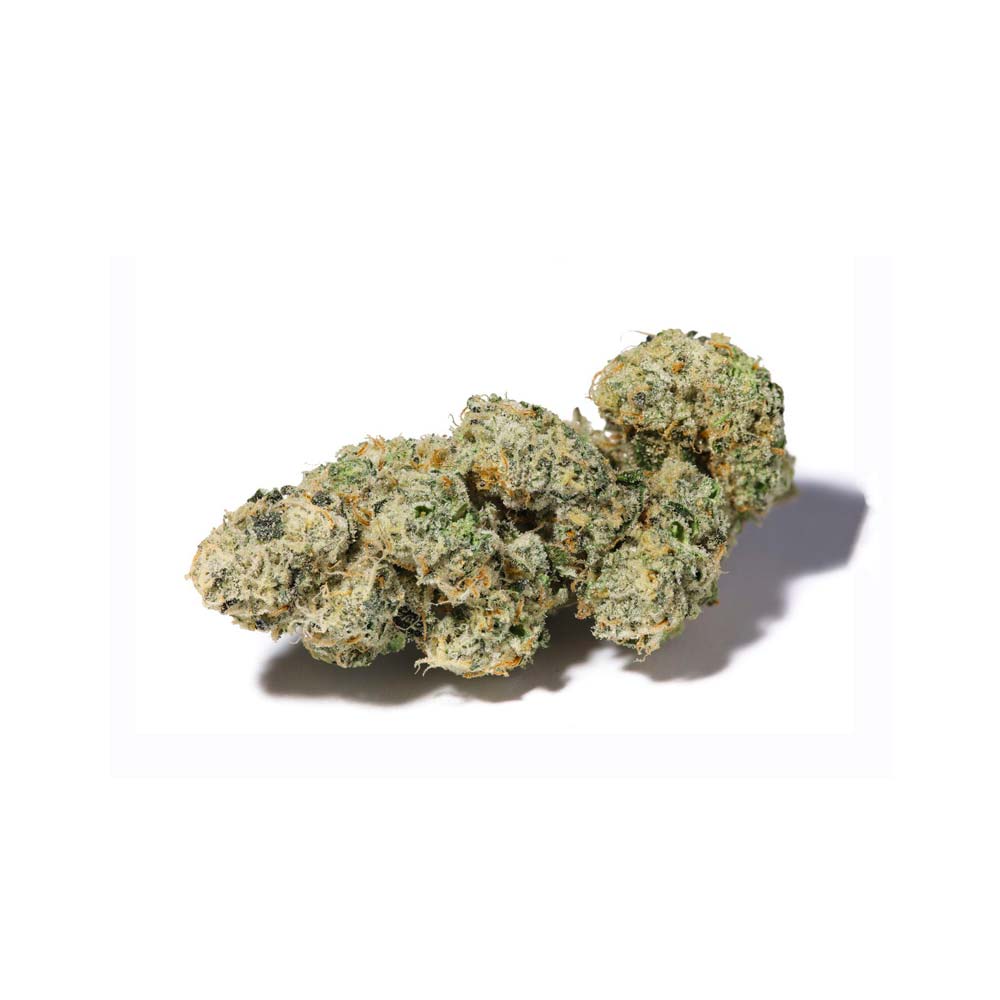
Medical cannabis has become an increasingly discussed topic across the United Kingdom, and Scotland presents a particularly interesting case study in how different regions within the UK are approaching this treatment option. With a healthcare system that operates somewhat independently from the rest of Britain and a growing number of clinics dedicated to cannabis-based medicines, medical cannabis Scotland represents a unique landscape for patients seeking alternative therapeutic options.
The Scottish NHS and Medical Cannabis
The Scottish National Health Service (NHS) has demonstrated a slightly more progressive stance towards medical cannabis compared to some other parts of the United Kingdom. This difference stems partly from Scotland’s devolved health system, which allows for independent decision-making regarding treatment protocols and funding priorities.
In 2018, cannabis-based medicinal products became legal in the UK under strict medical supervision. However, NHS prescribing remains limited across the country. The Scottish NHS has been cautiously supportive of exploring medical cannabis options, particularly for patients with specific conditions that have demonstrated clinical efficacy in research. These conditions include multiple sclerosis-related spasticity, chemotherapy-induced nausea and vomiting, and chronic pain conditions that have proven resistant to conventional treatments.
NHS Scotland’s approach reflects a commitment to evidence-based medicine whilst acknowledging the growing body of research supporting cannabis use for certain conditions. However, patients should understand that NHS provision remains restricted, and most individuals seeking medical cannabis in Scotland pursue private options rather than expecting NHS coverage.
Major Scottish Clinics Serving Medical Cannabis Patients
Glasgow Medical best UK cannabis clinics
Glasgow, Scotland’s largest city, hosts several private clinics specialising in medical cannabis consultations and prescriptions. These establishments have experienced growing demand as more patients discover treatment options for chronic conditions. Glasgow-based clinics typically employ experienced consultants who specialise in cannabinoid medicine and can provide comprehensive assessments of patient suitability for cannabis-based treatments.
These clinics operate within the strict regulatory framework established by the General Pharmaceutical Council and must comply with all legal requirements surrounding cannabis prescribing. Practitioners in Glasgow clinics generally follow a thorough assessment protocol, reviewing medical history, current medications, and previous treatments before recommending medical cannabis.
Edinburgh Medical Cannabis Services
Edinburgh, as Scotland’s capital, has developed a robust private medical cannabis sector. The city hosts several well-established clinics offering specialist consultations, ongoing monitoring, and prescription services. Edinburgh’s position as a centre of medical excellence has attracted experienced practitioners and established clinics with strong reputations.
Edinburgh-based services typically offer both initial consultations and follow-up appointments, allowing patients to maintain continuity of care. Many Edinburgh clinics have developed particular expertise in specific conditions, such as pain management or neurological conditions, and can provide specialised guidance tailored to individual patient needs.
Online and Remote Consultation Options
One of the most significant developments in medical cannabis provision across Scotland has been the expansion of online consultation services. These platforms have democratised access to medical cannabis expertise, allowing patients throughout Scotland—from the Highlands to the Borders—to consult with specialists without travelling to major cities.
Reputable online medical best UK cannabis clinics serving Scotland typically operate through secure video consultation systems that comply with data protection regulations. Patients can attend appointments from home, discuss their medical history confidentially, and receive prescriptions if deemed appropriate. This approach has proven particularly valuable for rural Scottish patients who might otherwise face substantial travel burdens.
Online services generally follow identical assessment protocols to in-person clinics, ensuring that clinical standards remain consistent regardless of consultation method. However, patients should exercise caution and verify that any online service operates with appropriate medical registration and regulatory compliance.
Understanding the Costs and Financial Considerations
Medical cannabis treatment in Scotland involves significant financial investment, with costs varying depending on the product type, prescription dosage, and required follow-up appointments. Understanding these costs is essential for patients considering this treatment pathway.
Initial consultation fees typically range from £150 to £250, covering the comprehensive assessment process. Subsequent follow-up appointments generally cost between £100 and £150. These consultations are private costs not covered by NHS funding, representing the primary expense before treatment even begins.
Prescription costs present the most substantial ongoing expense. Medical cannabis products in Scotland are typically charged at premium prices compared to conventional pharmaceuticals. A month’s supply of medical cannabis oil or flower might cost between £300 and £600 depending on the product and required dosage. Some patients require dosages at the higher end of this range, resulting in monthly expenses exceeding £600.
Annual costs for medical cannabis treatment can therefore reach £4,000 to £7,000 per year or higher, placing this treatment option beyond the reach of many patients. Some clinics offer payment plans or package discounts for multiple-month prescriptions, which may help reduce overall costs slightly. Additionally, certain private health insurance policies may cover some or all costs, though this depends on individual policies and coverage criteria.
Legal Context and Regulatory Framework in Scotland
Medical cannabis exists within a carefully defined legal framework in Scotland that patients must understand before pursuing treatment. Cannabis remains a Schedule II controlled substance under the Misuse of Drugs Act 1971, meaning possession without authorisation remains illegal.
However, the Misuse of Drugs Regulations 2001 (as amended) permits licensed medical practitioners to prescribe cannabis-based medicinal products. This exception applies exclusively to registered medical professionals working within approved frameworks. Patients prescribed medical cannabis by a registered specialist can legally possess and use their medication without fear of prosecution.
The General Pharmaceutical Council strictly regulates all practitioners prescribing medical cannabis in Scotland. best UK cannabis clinics must maintain detailed records, follow evidence-based protocols, and conduct regular patient monitoring. This regulatory rigour provides assurance that treatment occurs within established medical frameworks rather than through unlicensed sources.
Scottish patients should understand that medical cannabis prescriptions issued in Scotland are valid only within Scotland and wider UK legal jurisdictions. Travelling with medical cannabis to other countries, even within Europe, may constitute illegal drug trafficking regardless of Scottish legal status.
Conditions Commonly Treated with Medical Cannabis in Scotland
Whilst medical cannabis remains a relatively new treatment option in conventional medicine, certain conditions have accumulated sufficient evidence to feature prominently in clinical practice. Scottish practitioners most commonly prescribe medical cannabis for:
Multiple Sclerosis-Related Spasticity: This remains one of the most established indications for medical cannabis, with substantial clinical evidence supporting its effectiveness.
Chronic Pain: Patients with various chronic pain conditions, including neuropathic pain and pain resistant to conventional treatments, frequently access medical cannabis through Scottish clinics.
Epilepsy: Particularly childhood-onset epilepsy and treatment-resistant seizure disorders, where evidence for cannabis efficacy has grown significantly.
Chemotherapy-Induced Nausea and Vomiting: Cancer patients undergoing chemotherapy may access medical cannabis to manage treatment-related side effects.
Choosing a Medical Cannabis Provider in Scotland
When selecting a medical cannabis provider in Scotland, patients should verify credentials carefully. Practitioners must maintain GMC or equivalent registration, and clinics should provide transparent information about their regulatory status and quality standards.
Reputable Scottish providers will conduct thorough assessments, explain potential benefits and risks candidly, arrange appropriate monitoring protocols, and maintain detailed medical records. Patients should avoid any provider offering quick approvals or failing to conduct proper medical assessment.
Conclusion
Medical cannabis in Scotland represents an evolving treatment landscape that differs somewhat from other UK regions. Whilst the Scottish NHS remains cautiously engaged, most patients access medical cannabis through private clinics located in major cities or online services. Understanding the legal framework, financial costs, and regulatory requirements remains essential for anyone considering this treatment pathway. As research continues developing and more patients access medical cannabis, Scotland’s approach to this treatment option will likely continue evolving.