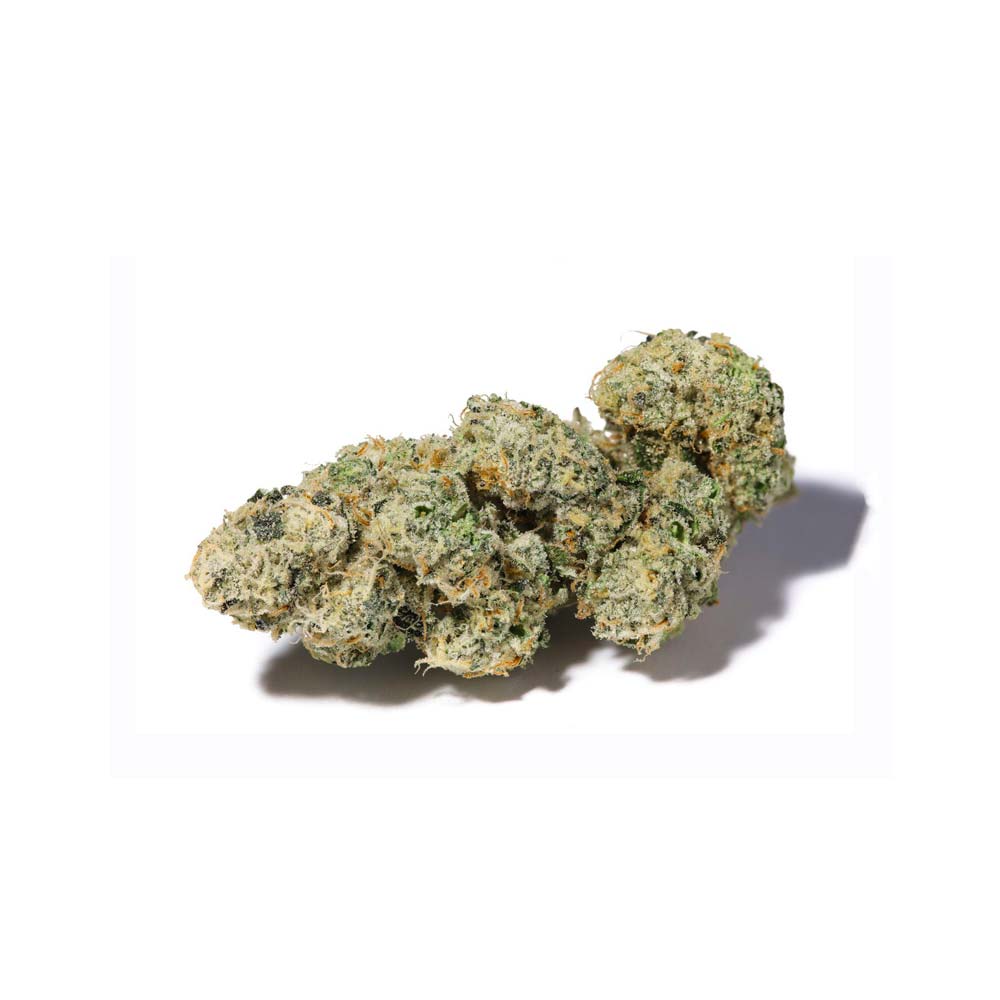
Mango Haze Strain Guide for UK Medical Cannabis Patients
Strain Overview
Mango Haze is a sativa-dominant hybrid strain that has gained considerable popularity amongst medical cannabis UK patients seeking uplifting and energising effects. This strain is the result of crossing Mango and Haze genetics, creating a cultivar that combines the fruity characteristics of Mango with the cerebral properties of the legendary Haze lineage.
Mango Haze typically presents a THC content ranging from 15-21%, making it suitable for both novice and experienced patients. The CBD content is generally lower, typically between 0.5-1.5%, positioning this strain primarily as a THC-dominant option. The plant structure reflects its sativa dominance, with tall, slender growth patterns and elongated flowering times compared to indica-heavy cultivars.
As a hybrid with sativa-leaning characteristics, Mango Haze delivers an excellent balance between mental stimulation and moderate physical effects, making it particularly versatile for daytime use amongst medical patients.
Mango Haze is renowned for its uplifting and energising mental effects. Patients commonly report enhanced mood elevation within the first 15-30 minutes of consumption, with many describing a sense of euphoria and positivity that can persist for 2-3 hours. The cerebral stimulation is pronounced, often providing mental clarity and improved focus, which makes this strain particularly beneficial for patients requiring cognitive engagement throughout their day.
Mental effects typically include creative inspiration and enhanced sociability, with many users finding themselves more talkative and engaged in conversation. Some patients report heightened sensory perception, particularly regarding taste and smell, which aligns with the strain’s distinctive mangoes and tropical fruit aroma.
The physical effects of Mango Haze are generally mild to moderate, distinguishing it from heavier indica strains. Rather than sedation, this strain tends to provide a subtle bodily relaxation that doesn’t impede motivation or mobility. Patients often describe a gentle, tingling sensation rather than profound physical heaviness. This characteristic makes Mango Haze well-suited for medical use during working hours or when maintaining productivity is important.
Some patients experience mild euphoric sensations throughout the body, coupled with a gentle sense of wellbeing. The physical effects rarely lead to couch-lock or immobility, though individual responses vary depending on dose, tolerance, and consumption method.
Medical Uses
Within the UK medical cannabis framework, Mango Haze may be prescribed to address various conditions, though individual suitability depends on clinical assessment by specialist practitioners.
For depression and mood disorders, the strain’s uplifting properties can provide symptomatic relief, helping patients manage low mood and anhedonia. The mental clarity may also benefit those experiencing cognitive fog associated with depressive states.
Anxiety management is another key therapeutic application, as the gentle, euphoric effects can reduce anxious thought patterns without the sedation that some anxiety patients wish to avoid. The sociability-enhancing properties may particularly benefit patients with social anxiety.
Chronic pain management is supported by the mild analgesic properties combined with the mood-elevating effects. Patients dealing with persistent pain alongside depression or anxiety may find Mango Haze particularly useful, as it addresses multiple symptoms simultaneously.
Appetite stimulation is a recognised benefit, making this strain potentially useful for patients experiencing appetite suppression due to chemotherapy, chronic illness, or other medical conditions. Nausea relief may also occur, particularly when appetite loss is nausea-related.
Some patients utilise Mango Haze for fatigue management, as the energising effects can help combat the mental and physical tiredness associated with various conditions, including ME/CFS and long COVID, though individual responses vary considerably.
Terpene Profile
Mango Haze’s distinctive flavour and effects profile derives from its terpene composition. The dominant terpene is myrcene, which provides the characteristic mango and fruity aroma whilst contributing earthy, herbal notes. Myrcene is associated with anti-inflammatory and analgesic properties.
Pinene is present in secondary quantities, imparting pine notes and supporting alertness and memory function. This terpene may contribute to the cognitive clarity many patients report.
Caryophyllene adds spicy and peppery undertones whilst offering potential anti-inflammatory and anxiolytic benefits. Limonene provides citrus notes and is recognised for mood-lifting properties that synergise with the strain’s overall uplifting character.
Together, these terpenes create an entourage effect that enhances the therapeutic potential beyond THC and CBD content alone.
Type
THC %
CBD %
Best For
Flavour
Sativa-Dominant Hybrid
15-21%
0.5-1.5%
Depression, Anxiety, Fatigue, Pain
Mango, Tropical Fruit, Citrus
UK Availability and Prescription
Mango Haze is available through specialist medical best UK cannabis clinics operating within the UK’s medical cannabis framework. Private clinics licenced to prescribe cannabis-based medicinal products may stock this strain alongside other cultivars from approved cultivators.
To access Mango Haze or other cannabis strains UK medical professionals can prescribe, patients must undergo consultation with a specialist doctor who determines suitability based on clinical history and previous treatment attempts.
Availability may vary between clinics and depend on current stock levels and cultivation cycles. Patients interested in this specific strain should discuss options during consultation, as alternative sativa or sativa-hybrid strains may be available if Mango Haze is temporarily unavailable.
Medical Disclaimer: The information on this page is for educational purposes only and does not constitute medical advice. Always consult a licensed healthcare professional before starting any new treatment.
https://cannazen.co.uk/wp-content/uploads/2026/01/cosmic-mac-cannabis-doctor-prescription-pharmacy-shop-blute.jpg10001000CannaZen UK Editorial Teamhttps://cannazen.co.uk/wp-content/uploads/2026/01/cannazen-shop-lieferung-cannabis-weed-hemp-online.svgCannaZen UK Editorial Team2026-05-15 10:45:192026-05-23 10:50:48Mango Haze Strain UK: Sativa Medical Effects
We may request cookies to be set on your device. We use cookies to let us know when you visit our websites, how you interact with us, to enrich your user experience, and to customize your relationship with our website.
Click on the different category headings to find out more. You can also change some of your preferences. Note that blocking some types of cookies may impact your experience on our websites and the services we are able to offer.
Essential Website Cookies
These cookies are strictly necessary to provide you with services available through our website and to use some of its features.
Because these cookies are strictly necessary to deliver the website, refusing them will have impact how our site functions. You always can block or delete cookies by changing your browser settings and force blocking all cookies on this website. But this will always prompt you to accept/refuse cookies when revisiting our site.
We fully respect if you want to refuse cookies but to avoid asking you again and again kindly allow us to store a cookie for that. You are free to opt out any time or opt in for other cookies to get a better experience. If you refuse cookies we will remove all set cookies in our domain.
We provide you with a list of stored cookies on your computer in our domain so you can check what we stored. Due to security reasons we are not able to show or modify cookies from other domains. You can check these in your browser security settings.
Google Analytics Cookies
These cookies collect information that is used either in aggregate form to help us understand how our website is being used or how effective our marketing campaigns are, or to help us customize our website and application for you in order to enhance your experience.
If you do not want that we track your visit to our site you can disable tracking in your browser here:
Other external services
We also use different external services like Google Webfonts, Google Maps, and external Video providers. Since these providers may collect personal data like your IP address we allow you to block them here. Please be aware that this might heavily reduce the functionality and appearance of our site. Changes will take effect once you reload the page.
Google Webfont Settings:
Google Map Settings:
Google reCaptcha Settings:
Vimeo and Youtube video embeds:
Other cookies
The following cookies are also needed - You can choose if you want to allow them:
Privacy Policy
You can read about our cookies and privacy settings in detail on our Privacy Policy Page.