
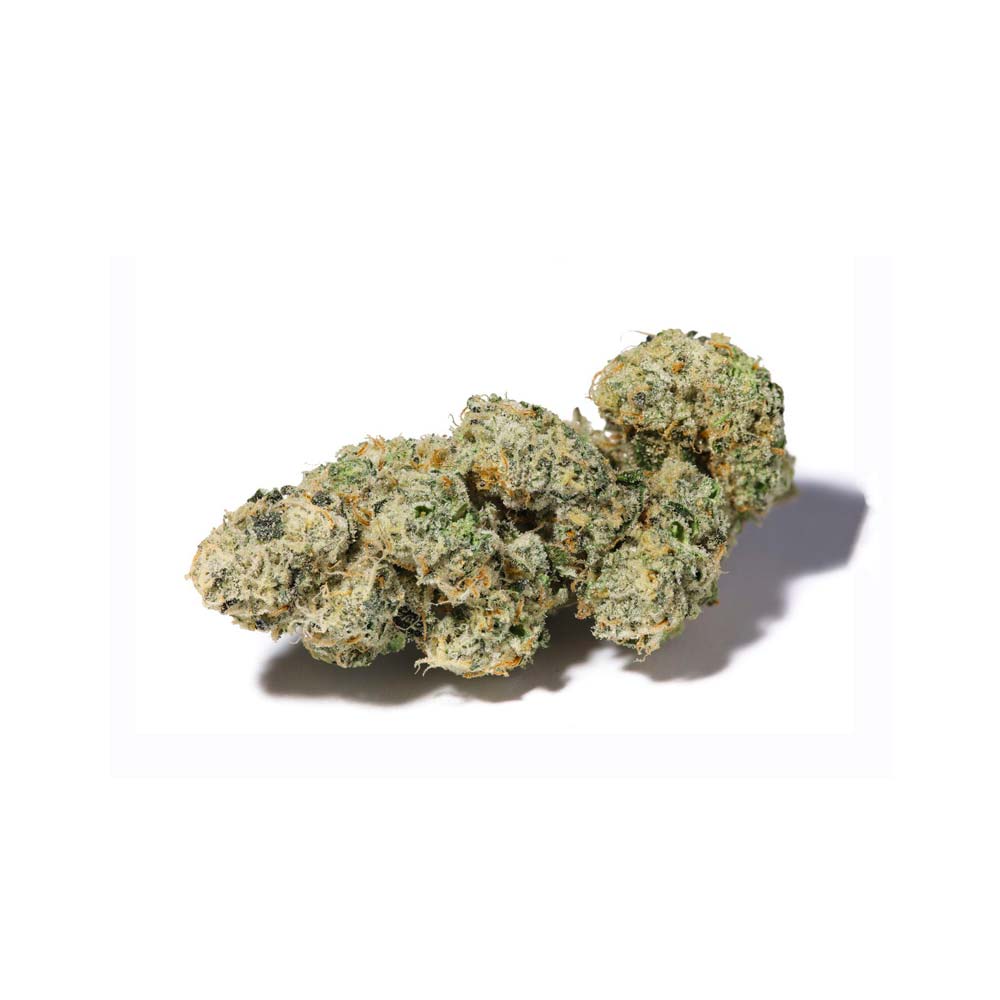
Skunk Cannabis Strains: A UK Classic
Skunk has become synonymous with British cannabis culture, establishing itself as one of the most iconic and influential strains in the UK’s modern horticultural history. From the late 1980s onwards, Skunk varieties have dominated the domestic cultivation scene, becoming the benchmark against which many other strains are measured. This comprehensive guide explores the top 10 Skunk strains, their genetics, potency levels, and characteristic effects.
The History of Skunk in the UK
The introduction of Skunk genetics to the United Kingdom marked a significant turning point in cannabis cultivation. Originally developed in North America during the 1970s and 1980s, Skunk strains made their way to British shores through the efforts of pioneering breeders and collectors who recognised their exceptional potential. By the 1990s, Skunk had become the predominant strain grown in British indoor cultivation operations, earning the colloquial nickname “standard draw” or simply “skunk” when referring to homegrown cannabis in general.
The strain’s popularity in the UK can be attributed to several factors: reliable genetics, predictable growing patterns, hardy plant constitution, and consistent potency. These characteristics made Skunk particularly appealing to domestic cultivators who lacked extensive breeding experience. Over three decades, Skunk has become so embedded in British cannabis culture that the term itself has become something of a catch-all descriptor for cannabis in everyday conversation.
Understanding Skunk Genetics
Original Skunk #1 was created through a careful three-way cross combining Afghani Indica, Acapulco Gold, and Colombian Gold. This genetic foundation established the characteristic profile that defines true Skunk varieties: a balanced hybrid expression delivering both physical and cerebral effects. The Afghani component contributes dense flower production and hardy genetics, whilst the Sativa elements from Mexico and Colombia provide the energetic, uplifting qualities that distinguish Skunk from purely Indica-dominant strains.
Modern Skunk strains typically maintain this foundational genetic architecture, though selective breeding has produced numerous variations and refinements. Breeders have crossed original Skunk genetics with Kush varieties, Hazes, and Cheese phenotypes to create a diverse family of Skunk-type strains, each offering slightly different expressions of the classic profile.
Top 10 Skunk Cannabis Strains
The legendary original. Skunk #1 remains the gold standard and benchmark from which all other Skunk varieties derive. Its balanced 50/50 Indica/Sativa ratio produces a versatile high combining mental clarity with body relaxation. The distinctive pungent aroma—reminiscent of petrol, pine, and earthiness—became the signature smell associated with Skunk cultivation throughout the UK. Users report creative, uplifting effects with gentle physical relaxation, making it suitable for daytime use.
An enhanced rendition featuring increased Indica genetics, Super Skunk delivers greater potency and more pronounced physical effects than its parent strain. The additional Afghani backcross produces denser flowers and a more robust yield. Effects lean towards relaxation and sedation, particularly at higher doses, whilst maintaining the classic Skunk aroma profile with added sweetness. Popular amongst experienced users and those seeking stronger therapeutic effects.
Combining the reliability of Skunk #1 with the potency and flavour profile of premium Kush genetics, Skunk Kush represents a natural progression in strain development. The Hindu Kush influence adds deeper, more complex flavours—earthy, spiced, with subtle floral notes. Effects balance energising Skunk characteristics with the grounding, heavily relaxing properties of Kush, creating a well-rounded experience suitable for evening use.
Lemon Skunk distinguishes itself through an exceptional citrus flavour profile—bright, zesty, and refreshing. The Lemon Thai parentage provides terpenes that create lively, uplifting effects aligned with daytime use. Users report enhanced mood elevation, improved focus, and gentle physical relaxation rather than sedation. The distinctive lemon-pledge aroma became particularly associated with British indoor grows during the late 1990s and early 2000s.
Island Sweet Skunk offers a lighter, more tropical expression of Skunk genetics. The Hawaiian influence introduces sweet, fruity aromatic compounds creating a more palatable flavour than traditional pungent Skunks. Effects remain balanced but trend slightly towards mental clarity and daytime suitability. The moderate THC content appeals to those preferring less intensity whilst maintaining quality. Growing characteristics remain true to Skunk reliability with good yields and straightforward cultivation requirements.
Skunk Haze merges the dependable productivity of Skunk with the cerebral, stimulating characteristics of Haze genetics. The result delivers heightened mental effects—improved creativity, clarity, and sociability—whilst reducing the extreme flowering duration associated with pure Haze strains. The aroma combines Skunk’s pungency with Haze’s spicy, herbal complexity. Users appreciate the energising effect profile, particularly for daytime or social consumption.
Arising from the legendary UK Exodus Collective during the 1990s, the Cheese phenotype represents a unique Skunk variant with extraordinary cultural significance in British cannabis history. The distinctive savoury, pungent aroma—reminiscent of aged cheddar—distinguishes Cheese from other Skunk variants. Effects deliver powerful relaxation with creative uplift, strong pain relief properties, and mood elevation. The strain became culturally iconic, representing UK grower ingenuity and selective breeding excellence.
Sweet Skunk prioritises flavour and approachability over maximum potency. The addition of sweet-phenotype genetics produces a milder, more pleasant aroma profile—sugary, slightly fruity, with reduced pungency. Effects remain balanced and gentle, making this strain particularly suitable for novice users or those sensitive to THC intensity. Growing characteristics maintain Skunk reliability with relatively quick flowering times and consistent performance.
Critical Skunk combines legendary Skunk stability with the exceptional yield characteristics of Critical Mass, creating a highly productive strain beloved by cultivators. The Critical Mass lineage increases flower density and plant robustness whilst maintaining Skunk’s distinctive aromatic and effect profiles. THC levels reach higher ranges, producing strong body effects alongside mental clarity. The strain remains particularly popular amongst UK home growers seeking reliable, high-yielding genetics.
Royal Skunk represents modern refinement of classic Skunk genetics through professional breeding standards. The strain delivers consistent potency, reliable growth patterns, and balanced effects combining mental stimulation with progressive physical relaxation. The aroma presents classic Skunk notes with subtle improvements in complexity. Effects suit both daytime and evening use depending on quantity consumed, making it a versatile option for various consumption preferences.
Effects and Therapeutic Properties
Skunk strains characteristically produce balanced effects reflecting their hybrid genetics. Users consistently report uplifting mental effects—enhanced mood, improved focus, and creative stimulation—combined with progressive physical relaxation. THC concentrations typically range from 14-21%, providing moderate to strong potency suitable for experienced users whilst remaining accessible to those less familiar with cannabis.
Therapeutically, Skunk varieties have demonstrated effectiveness for stress relief, anxiety management, mild pain reduction, and appetite stimulation. The balanced profile makes Skunk strains particularly suitable for daytime medicinal use where complete sedation may prove counterproductive, whilst stronger phenotypes serve evening therapeutic applications.
Conclusion
Skunk cannabis strains remain integral to British cannabis culture, representing three decades of cultivation excellence and selective breeding advancement. From the foundational Skunk #1 through modern refinements, these varieties have consistently delivered reliable, predictable results for cultivators and users throughout the United Kingdom. Their enduring popularity reflects genuine horticultural merit, balanced pharmacological effects, and profound cultural significance within British cannabis communities.