
Linalool in Cannabis: A Comprehensive Guide for UK Medical Patients
Understanding Linalool: Definition and Natural Sources
Linalool is a naturally occurring monoterpene alcohol—a volatile organic compound found abundantly in nature. For UK medical cannabis patients, understanding this compound is increasingly important as research continues to reveal its therapeutic potential. The molecular structure of linalool, chemically known as 3,7-dimethylocta-1,6-dien-3-ol, contributes to its distinctive floral aroma and its interaction with the human nervous system.
This terpene is not unique to cannabis; it occurs widely throughout the plant kingdom. Lavender is perhaps the most famous natural source of linalool, which explains why lavender essential oil has been used traditionally for relaxation. Coriander seeds contain significant quantities of linalool, contributing to their sweet, floral fragrance. Birch trees produce linalool as part of their volatile compounds, and rosewood essential oil is particularly rich in this terpene. Many culinary herbs and flowering plants also contain measurable amounts of linalool, making it one of the most encountered terpenes in nature.
The Chemistry of Linalool and Bodily Effects
For medical cannabis UK patients, the effects of linalool operate through multiple biological pathways. Scientific evidence increasingly supports the notion that terpenes work synergistically with cannabinoids like THC and CBD—a phenomenon known as the entourage effect—to produce therapeutic benefits.
The anxiolytic properties of linalool have been documented in several scientific studies. Research indicates that linalool may modulate serotonin receptor activity, particularly the 5-HT1A receptor, which is central to anxiety regulation. This mechanism makes linalool-rich cannabis strains potentially valuable for patients with generalised anxiety disorder and social anxiety. The calming effect occurs relatively quickly when linalool is inhaled, as the volatile compound reaches olfactory receptors directly and crosses the blood-brain barrier efficiently.
Sedative effects have been consistently observed in research on linalool. Studies have shown that linalool can enhance sleep onset and deepen sleep stages through multiple mechanisms, including potential GABAergic activity—the same pathway utilised by benzodiazepines. However, linalool achieves these effects with a substantially more favourable safety profile. UK medical patients with insomnia or sleep disturbances often report improved sleep quality with linalool-containing formulations.
Analgesic properties represent another significant therapeutic avenue. Linalool has demonstrated pain-reducing effects in animal models and preliminary human studies, with mechanisms involving both local and systemic inflammatory pathways. The anti-inflammatory activity of linalool occurs partly through modulation of cytokine production and partly through direct antioxidant effects. For chronic pain patients, this dual action—pain reduction combined with inflammation suppression—can be particularly beneficial.
Anticonvulsant properties have been documented in research literature, making linalool relevant for epilepsy patients. Some evidence suggests that linalool may enhance the anticonvulsant effects of other compounds, including cannabinoids. This potential interaction is particularly important for UK medical patients considering cannabis-based treatments for epilepsy, as maximising seizure control is paramount.
High-Linalool Cannabis Strains Available in the UK
Understanding which cannabis strains contain elevated linalool levels helps UK medical patients make informed decisions about their treatment. Several strains are recognised for their linalool content.
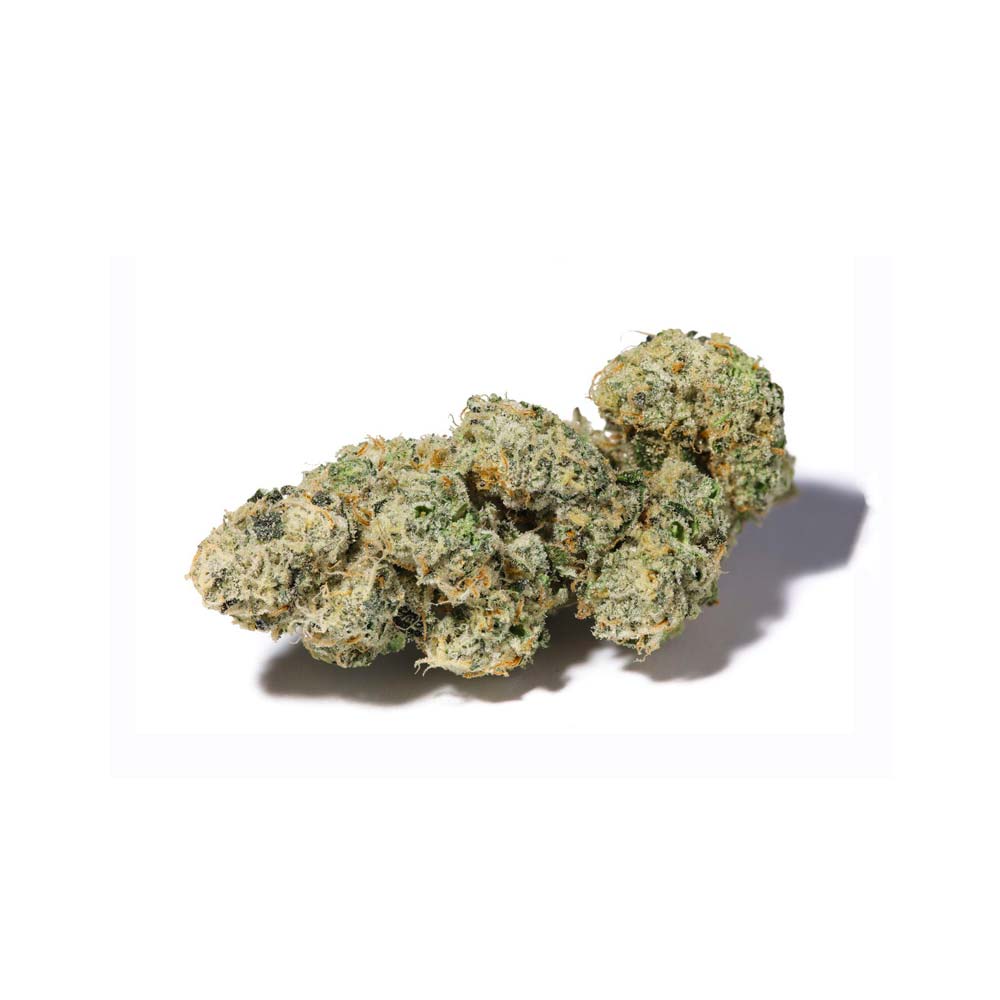
Lavender is a particularly well-named variety, as it genuinely contains high concentrations of linalool. This strain typically produces a floral, lavender-forward aroma and is often chosen by patients seeking anxiety and sleep support. Its cannabinoid profile is usually moderate in both THC and CBD, making it suitable for patients sensitive to high-THC preparations.
Amnesia Haze strain contains meaningful quantities of linalool alongside its well-known cerebral effects. This strain is preferred by some patients who want daytime pain management without extreme sedation, though its linalool content helps moderate potential anxiety from THC.
LA Confidential is another linalool-rich option frequently used by UK medical patients. This strain typically presents with deeper relaxation than Amnesia Haze strain, making it suitable for evening use and for patients with insomnia or high anxiety levels.
Zkittlez combines linalool with other terpenes to produce a distinctly fruity-floral profile. Many patients appreciate this strain for anxiety management with a balanced effect profile.
Do-Si-Dos offers another linalool-containing option, often selected by patients requiring both anxiolytic and analgesic benefits, as its terpene profile supports multiple therapeutic pathways.
Clinical Applications for UK Medical Cannabis Patients
Linalool-rich medical cannabis UK preparations are increasingly prescribed for specific conditions within the UK medical framework. Anxiety disorders represent one of the most common applications, with patients reporting reduced generalised anxiety, panic symptoms, and social anxiety. The onset is typically faster than traditional anxiolytic medications, and many patients report improved overall wellbeing.
Insomnia and sleep disturbances are addressed effectively through linalool-containing strains, particularly when used in the evening. UK medical patients often appreciate that linalool-rich cannabis produces sleep benefits without the morning grogginess frequently associated with pharmaceutical hypnotics.
Post-Traumatic Stress Disorder (PTSD) management has shown promise with linalool-containing formulations. The anxiolytic and sedative properties, combined with linalool’s potential to modulate hyperarousal, make these strains relevant for PTSD symptomatology. The calming effect may help reduce nightmares and hypervigilance.
Epilepsy management represents another significant application area. While research is ongoing, the potential anticonvulsant properties of linalool, combined with cannabinoid effects, suggest benefit for refractory epilepsy patients who have failed conventional treatments. UK medical approval for cannabis in epilepsy specifically recognises the potential value of full-spectrum preparations containing multiple cannabinoids and terpenes.
Chronic pain conditions, including neuropathic pain, fibromyalgia, and arthritis-related pain, are effectively managed by some UK medical patients using linalool-rich strains. The combination of analgesic and anti-inflammatory effects addresses both pain perception and underlying inflammatory pathways.
Prescription Context and Patient Considerations
UK medical cannabis patients receive prescriptions through specialist consultants within the NHS framework or through private medical clinics. When discussing linalool content with healthcare providers, patients should note that current prescriptions typically focus on cannabinoid ratios and total THC/CBD content rather than specific terpene profiles. However, this is evolving, and informed patients can request strains known to contain therapeutic terpenes like linalool.
The entourage effect principle suggests that whole-plant formulations, which include linalool and other terpenes alongside cannabinoids, may produce superior therapeutic outcomes compared to isolated cannabinoid preparations. This consideration is increasingly influential in UK medical cannabis treatment planning.