
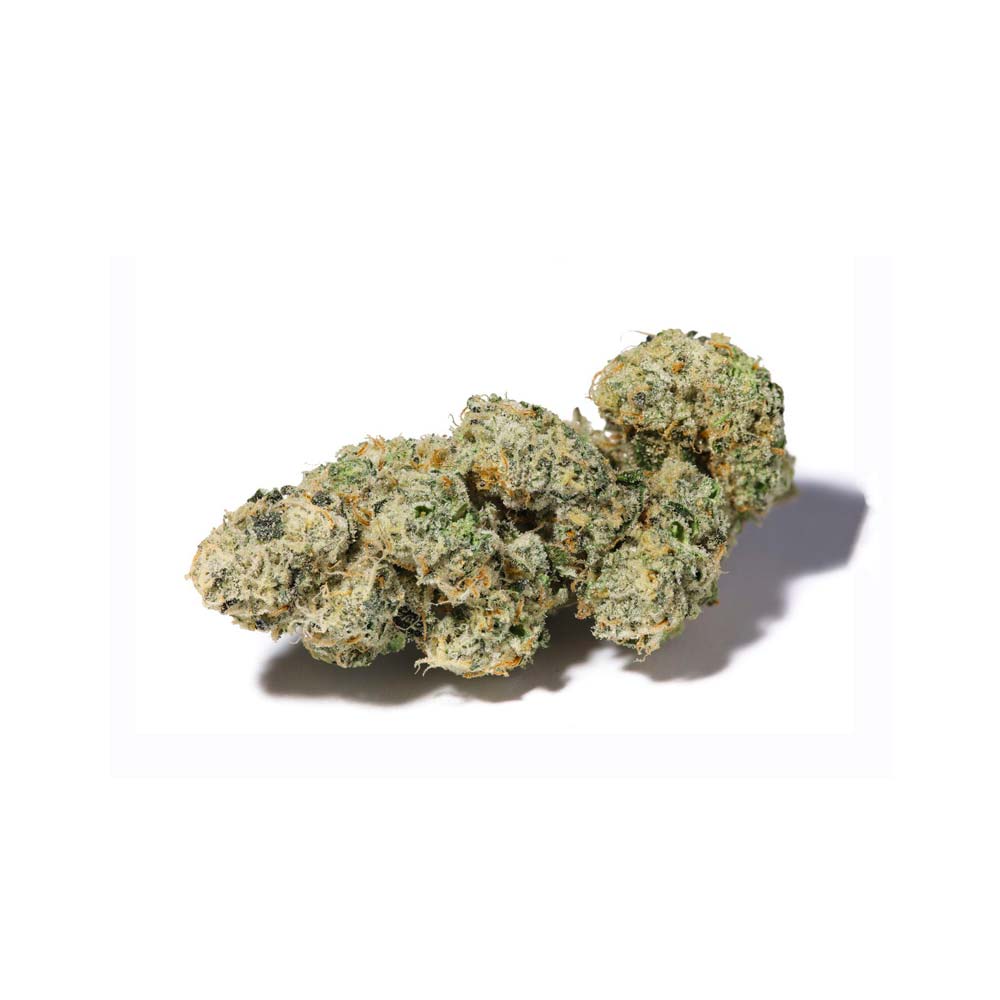
How Long Medical Cannabis Takes to Work for UK Patients
For patients newly prescribed medical cannabis in the UK, understanding how long it takes to feel effects is crucial for safe and effective treatment. The onset time varies significantly depending on the administration method, individual factors, and the specific product being used. This timeline can range from just a few minutes to several hours, and knowing what to expect helps patients manage their expectations and use their medication correctly.
Onset Times by Administration Method
The fastest-acting method is vaping or inhaling cannabis flower or concentrate. When inhaled, cannabinoids enter the bloodstream through the lungs and reach the brain within 2 to 10 minutes. Most patients report feeling effects within 5 minutes, making this method ideal for those seeking rapid symptom relief, particularly for breakthrough pain or anxiety.
Sublingual oils, taken under the tongue, offer a middle ground in terms of onset speed. These products bypass the digestive system and absorb through the mucous membranes in the mouth. Patients typically experience effects between 15 and 45 minutes after administration. The exact timing depends on factors such as blood flow to the area and how long the oil is held under the tongue before swallowing.
Capsules and tablets take considerably longer to work. These must be digested and absorbed through the gastrointestinal tract, meaning effects usually begin between 1 and 2 hours after ingestion. Some patients may not feel full effects until 2-3 hours have passed, particularly if taken with food.
Edibles, including oils mixed into food or baked products, follow a similar timeline to capsules but can be less predictable. Effects typically onset between 1 and 3 hours, though some patients report longer delays. This unpredictability has led to edibles being less commonly prescribed in UK medical cannabis programmes.
Duration of Effects by Method
The duration of effects is equally important as onset time. Inhaled cannabis typically provides relief for 2 to 4 hours, making it suitable for patients requiring multiple daily doses. Sublingual oils generally last 4 to 6 hours, offering a longer window of symptom relief with fewer daily administrations. Capsules and oral medications can provide symptom relief for 6 to 8 hours or sometimes longer, depending on the specific formulation and individual metabolism.
Factors Affecting Onset Time
Several individual factors significantly influence how quickly medical cannabis takes effect. Whether the stomach is empty or full substantially impacts oral absorption rates. Taking capsules or sublingual oils on an empty stomach typically accelerates onset, whilst consuming them with food may delay effects but potentially improve consistency. Patients with higher tolerance, usually from previous cannabis use, may not feel effects as quickly as naive users, as their endocannabinoid system requires higher cannabinoid concentrations.
Body weight and body fat composition also play roles in how quickly effects manifest. Cannabinoids are lipophilic, meaning they dissolve in fat, so individuals with higher body fat percentages may experience delayed onset and prolonged effects. Metabolism, liver function, and overall health status further influence individual responses to medical cannabis.
Why Slow Titration Is Essential
UK prescribing guidelines recommend starting with low doses and gradually increasing them over weeks or even months. This titration process allows patients’ bodies to adjust to cannabinoid treatment whilst minimising adverse effects. Slow titration also helps identify the minimum effective dose, reducing medication costs and potential side effects like dizziness, dry mouth, or cognitive effects. Rushing this process can lead to unnecessary adverse reactions that may discourage continued treatment.
What First-Time Patients Should Expect
New patients should understand that their first experience with medical cannabis may feel subtle or barely noticeable. Unlike recreational use where higher doses create obvious psychoactive effects, medical cannabis at therapeutic doses often produces gentle symptom relief rather than dramatic perceptual changes. Some patients report their first positive effects as reduced pain intensity, improved sleep quality, or calmer anxiety—changes that might be recognised only upon reflection rather than immediately.
Why Some Patients Feel Nothing Initially
Many patients report feeling no effects during their first doses, which can be disheartening but is entirely normal. This phenomenon occurs because the starting dose is intentionally low for safety reasons. The patient’s endocannabinoid system may also require time to recalibrate, particularly if it has been disrupted by chronic illness or previous treatments. Additionally, some patients may simply be less sensitive to cannabinoids due to genetic variations in cannabinoid receptor expression and function.
Keeping a Symptom Diary
UK medical cannabis programmes strongly recommend maintaining a symptom diary throughout treatment. This document should record when medication is taken, which method is used, the dose, and detailed observations about symptoms before and after dosing. Tracking sleep quality, pain levels, mood, and any side effects helps patients and clinicians identify patterns, determine optimal dosing times, and assess whether the treatment is genuinely helping. A comprehensive diary becomes invaluable evidence during regular reviews with prescribing clinicians, enabling evidence-based adjustments to treatment protocols.
Further Reading
- Medical Cannabis UK — Complete Guide
- Cannabis Cultivation Harvest Guide
- Gorilla Glue #4 Strain — Effects, THC 25%+, UK Guide