
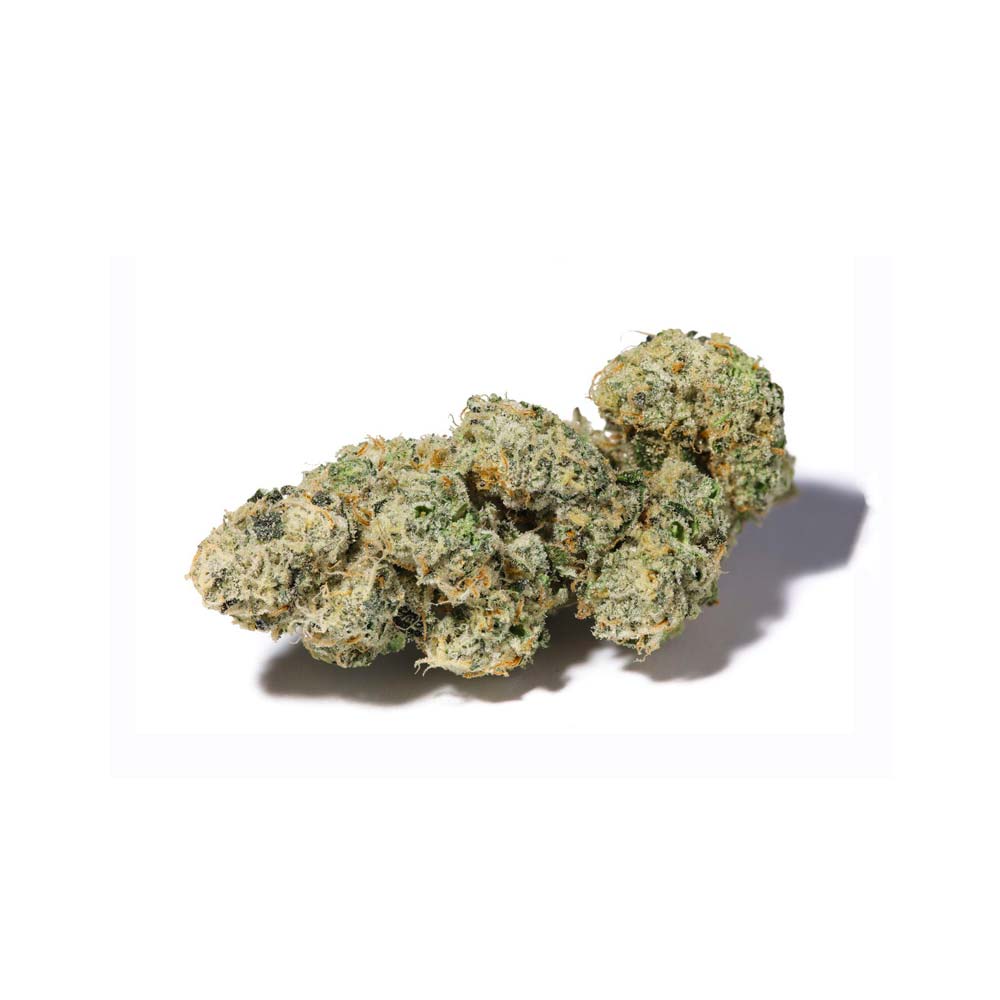
Deep Purple Strain Cannabis: Complete UK Guide
Deep Purple strain cannabis has gained considerable attention within the UK’s medical and recreational communities for its distinctive appearance and balanced effects. This comprehensive guide examines everything you need to know about this popular cultivar, from its genetic origins to its availability under the UK’s evolving cannabis regulations.
Genetics and Lineage
Deep Purple is a hybrid cannabis strain resulting from the crossbreeding of two renowned parent strains: Purple Urkel and Mendo Purps. This genetic combination produces a plant renowned for its striking visual characteristics and complex cannabinoid profile.
The strain’s genetics lean slightly towards the indica side of the spectrum, typically maintaining a 60% indica to 40% sativa ratio. This balanced hybridisation contributes to Deep Purple’s appeal amongst UK users seeking both relaxation and subtle cerebral stimulation.
Purple Urkel, one of the parent strains, is celebrated for its deep purple colouration and sedative properties, whilst Mendo Purps contributes robustness and enhanced flavour complexity. The combination of these genetics produces a plant that expresses impressive purple and violet hues, particularly when cultivated in cooler conditions—a characteristic that has become synonymous with the strain’s identity.
THC and CBD Content
Deep Purple typically exhibits THC levels ranging between 15% and 22%, making it moderately potent without reaching the extreme concentrations found in some contemporary strains. This moderate THC content positions Deep Purple as an accessible option for both novice and experienced cannabis users.
CBD content in Deep Purple remains relatively low, generally falling below 1%, though some phenotypes may express marginally higher concentrations. This limited CBD presence means the strain’s effects are primarily mediated through THC interaction with the endocannabinoid system.
For UK medical cannabis patients, understanding these cannabinoid ratios is essential. The current UK medical cannabis landscape permits certain patients access to high-THC cultivars through private prescription, with Deep Purple’s moderate THC levels positioning it as a reasonable option within this framework.
Effects of Deep Purple Strain
Users typically report the following effects from Deep Purple cannabis:
- Relaxation and physical sedation, particularly in the body
- Mild euphoria and mood elevation
- Enhanced focus and mental clarity during initial onset
- Increased sociability and conversational ease
- Appetite stimulation
- Reduced anxiety and tension
- Potential for sleepiness, particularly with larger doses
- Gentle cerebral effects without intense psychoactivity
- Pain and tension relief in muscles and joints
- Potential couch-lock with higher consumption
The effect profile generally emerges quickly, with users reporting noticeable changes within 5-15 minutes of smoking or vaping. Edible consumption results in slower onset—typically 1-2 hours—but longer duration.
Terpene Profile
Deep Purple’s distinctive characteristics arise partly from its unique terpene composition. The strain displays a notably elevated myrcene content, which contributes to its relaxing effects and earthy aromatics. Myrcene is also present in hops and lemongrass, and is theorised to enhance THC absorption and prolong effects.
Secondary terpenes in Deep Purple include caryophyllene, which provides spicy, peppery notes and may offer anti-inflammatory benefits, and limonene, contributing subtle citrus undertones. Pinene and linalool may also be present in smaller quantities, adding complexity to the strain’s aromatic profile.
This terpene combination is responsible for Deep Purple’s characteristic aroma and contributes synergistically to its overall effects—a phenomenon known as the “entourage effect” within cannabis science.
Flavour and Aroma
Deep Purple cannabis presents a complex sensory experience. The aroma combines earthy, fruity, and sweet notes, with many users detecting subtle grape undertones—a characteristic inherited from its Purple Urkel lineage. Some phenotypes express more prominent berry aromatics.
The flavour profile mirrors the aroma reasonably well, with most users reporting:
- Earthy undertones as the primary flavour base
- Sweet grape and berry notes on inhalation
- Subtle fruity finish on exhalation
- Occasional hints of spice from caryophyllene
- Smooth smoke or vapour with minimal harshness
Flavour intensity varies depending on cultivation methods, curing processes, and individual phenotype expression. Properly cured Deep Purple typically offers a more pronounced and pleasant taste profile.
Medicinal Uses and UK Medical Cannabis
Within the UK medical cannabis framework, Deep Purple has garnered interest for several therapeutic applications, particularly among private practitioners prescribing cannabis-based medicinal products.
Potential medicinal applications include:
- Chronic pain management, including neuropathic pain
- Anxiety and panic disorder symptom relief
- Insomnia and sleep disturbance management
- Muscle spasticity reduction
- Appetite stimulation in cachexia or chemotherapy-induced anorexia
- Anti-inflammatory effects for inflammatory conditions
- Migraine and headache relief
It is crucial to note that whilst these applications reflect reported user experiences and emerging research, the evidence base for cannabis generally remains limited. The UK’s Medicines and Healthcare products Regulatory Agency (MHRA) maintains strict guidelines regarding cannabis-based medicinal products, and prescription access remains restricted primarily to specialist private clinics.
Deep Purple Strain: UK Medical Cannabis Availability
Following the rescheduling of cannabis-based medicinal products in November 2018, UK patients can access cannabis medications through private prescription if they meet specific criteria. However, Deep Purple as a whole-plant cultivar is not directly available on the NHS.
Private clinics may recommend cannabis flowers, oils, or extracts containing cannabinoid profiles similar to Deep Purple’s. These products are subject to strict quality controls, testing, and regulatory oversight.
Recreational cannabis use remains illegal throughout the United Kingdom. Possession, cultivation, or distribution of cannabis plants or flower material—including Deep Purple—carries criminal penalties ranging from fines to imprisonment depending on quantity and circumstances.
UK patients interested in exploring medical cannabis should consult with their GP or seek assessment from approved private best UK cannabis clinics, which can evaluate individual cases and prescribe appropriate cannabis-based medicinal products where suitable.
Conclusion
Deep Purple strain cannabis represents a balanced hybrid option valued for its moderate potency, distinctive appearance, and reported relaxing effects. Whilst it remains unavailable for recreational use in the UK, its cannabinoid and terpene profile has attracted interest within the medical cannabis community. Understanding the regulatory landscape, THC/CBD content, and potential medicinal applications remains essential for any UK user seeking legal access to cannabis products. Always consult healthcare professionals before considering cannabis for medicinal purposes.