
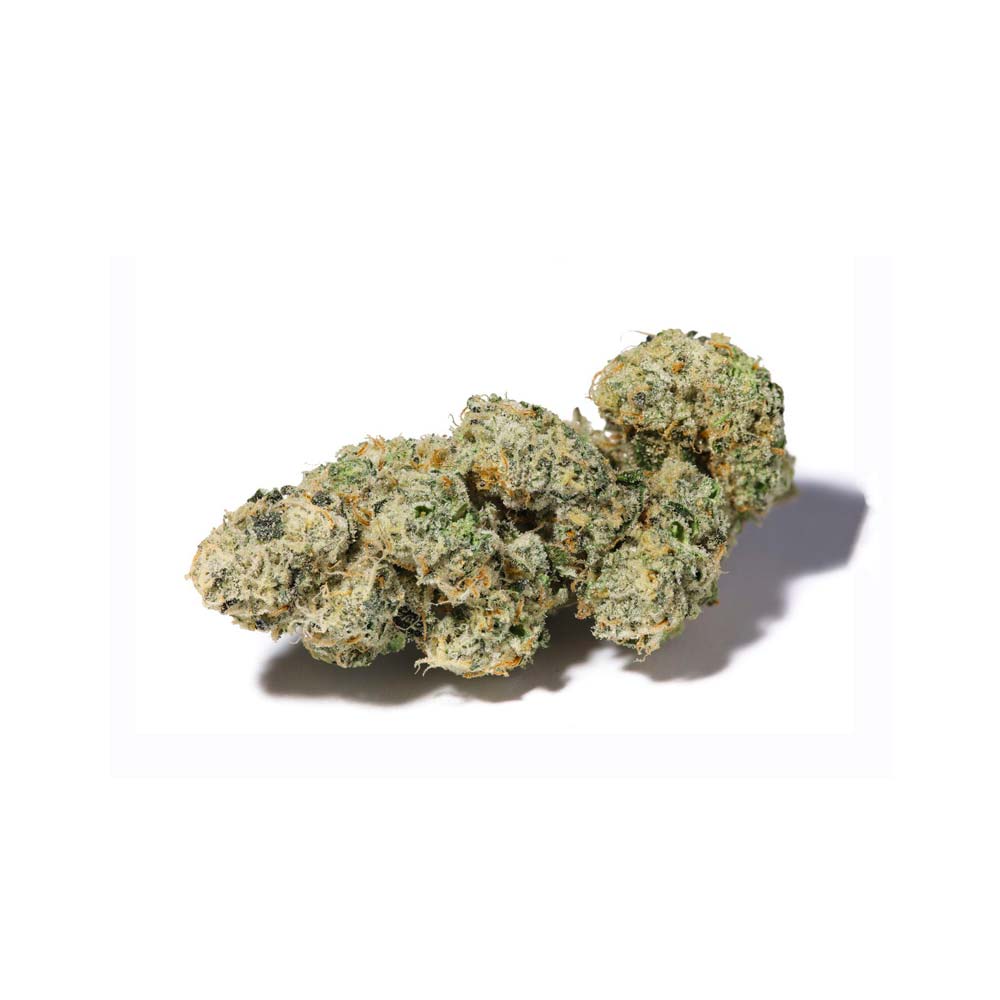
Cannabis Microdosing UK — Guide, Benefits, How to Start
Cannabis microdosing has emerged as a significant wellness trend in the United Kingdom, particularly among individuals seeking therapeutic benefits without pronounced psychoactive effects. This evidence-based approach involves consuming minimal, controlled doses of cannabis to achieve specific health outcomes whilst maintaining clarity and functionality throughout the day. For UK residents interested in exploring medical cannabis or general cannabis knowledge, understanding microdosing principles is essential.
What is Cannabis Microdosing?
Cannabis microdosing refers to consuming sub-threshold doses of cannabis—typically between 1-5mg of THC per serving—designed to provide therapeutic benefits whilst minimising intoxication. This method differs significantly from recreational dosing, which often aims for noticeable psychoactive effects.
The microdosing concept originated in psychedelic research but has gained substantial traction within the cannabis community. Recent surveys indicate that approximately 34% of UK cannabis users now employ microdosing techniques, according to 2023 cannabis research data. The approach allows individuals to experience cannabis’s therapeutic properties—pain relief, anxiety reduction, improved sleep—without impaired cognitive function or impaired driving capacity.
Legal Status of Cannabis Microdosing in the UK
The legal landscape for cannabis in the United Kingdom remains complex. Recreational cannabis remains illegal, classified as a Schedule I drug under the Misuse of Drugs Act 1971. However, medical cannabis has been legal since 2018 when the UK’s Home Office rescheduled cannabis products for clinical prescription purposes.
Only registered medical practitioners can prescribe medical cannabis products. Conditions typically approved for cannabis-based treatment include treatment-resistant epilepsy, chronic pain, and chemotherapy-related nausea. NHS prescribing remains limited, with most medical cannabis access occurring through private specialists.
Individuals considering cannabis microdosing should consult qualified healthcare professionals rather than self-treating. Legal access pathways exist through licenced clinics offering medical cannabis consultations and prescription services.
Benefits of Cannabis Microdosing
Scientific research and clinical experience suggest multiple potential benefits from cannabis microdosing:
Pain Management: Low-dose cannabinoids interact with the endocannabinoid system to reduce chronic pain perception without sedative effects. Studies show microdoses effectively manage neuropathic pain, arthritis, and migraine conditions.
Anxiety and Stress Relief: Microdosing CBD particularly offers anxiolytic properties. Research published in the Journal of Clinical Psychology indicates that microdoses (10-20mg CBD) reduce anxiety symptoms more effectively than placebo in controlled settings.
Sleep Improvement: Small THC doses combined with CBD promote natural sleep onset and improve sleep quality. Unlike higher doses causing grogginess, microdoses support sleep architecture without daytime impairment.
Cognitive Enhancement: Low-dose THC and CBD may enhance focus and creativity for some individuals. This contrasts sharply with recreational doses, which typically impair cognitive performance.
Anti-inflammatory Effects: Cannabinoids possess documented anti-inflammatory properties. Microdosing leverages these benefits for inflammatory conditions including Crohn’s disease and rheumatoid arthritis.
Reduced Side Effects: Minimal dosing significantly decreases adverse effects commonly associated with cannabis use, including paranoia, increased heart rate, and memory disruption.
How to Start Cannabis Microdosing in the UK
Consult Healthcare Professionals: Begin by discussing cannabis microdosing with your GP or a private cannabis specialist. This establishes whether you’re eligible for medical cannabis and identifies potential drug interactions with existing medications.
Determine Your Baseline: Individual tolerance varies considerably based on genetics, body weight, metabolism, and previous cannabis experience. Complete beginners should start at the lowest possible dose—0.5-1mg THC—and adjust gradually.
Choose Your Administration Method: UK users have several options:
- Oils and Tinctures: Precise dosing with droppers allowing 1mg increments. Onset occurs within 30-90 minutes with effects lasting 6-8 hours.
- Capsules: Consistent dosing in tablet form, ideal for routine integration. Slower onset than tinctures.
- Edibles: Food products containing measured cannabinoid amounts. Onset takes 1-2 hours; effects persist 8-12 hours.
- Vaporisers: Heating cannabis flower or concentrates without combustion. Provides rapid onset (5-15 minutes) with precise temperature control.
Implement the “Start Low, Go Slow” Protocol: Begin with 1-2mg THC daily, maintaining this dose for one week whilst observing effects. Increase by 1mg increments weekly until reaching your therapeutic threshold. Document effects in a journal noting timing, dosage, administration method, and outcomes.
Timing Considerations: Morning microdoses suit daytime functionality and focus enhancement. Evening microdoses benefit sleep and pain management. Consistent timing optimises the endocannabinoid system’s adaptation.
Optimal Microdosing Protocols
Research suggests several effective microdosing schedules. The “daily continuous” approach involves consistent daily doses, allowing the endocannabinoid system to maintain equilibrium. Alternative “5-days-on, 2-days-off” protocols prevent tolerance development whilst maintaining therapeutic benefits.
CBD-dominant formulations (with minimal THC) suit daytime use without intoxication risk. Evening protocols often combine THC and CBD in approximately 1:1 ratios for enhanced sleep benefits. Medical cannabis specialists can recommend personalised ratios based on individual conditions and requirements.
Potential Challenges and Considerations
Some individuals experience minimal effects from microdoses, potentially due to genetic variations affecting cannabinoid receptor sensitivity. Others develop rapid tolerance requiring periodic breaks or dose adjustments. Dry mouth, mild dizziness, and appetite changes occasionally occur, typically resolving within days.
Cannabis use may interact with medications including warfarin and sedatives. Pregnancy represents an absolute contraindication. Regular monitoring through healthcare providers ensures safety and efficacy optimisation.
Obtaining Quality Products in the UK
Medical cannabis prescriptions access pharmaceutical-grade products through licensed dispensaries with guaranteed quality control, potency testing, and cannabinoid profiling. These products significantly exceed illegally-sourced alternatives in consistency and safety.
Private best UK cannabis clinics operating within legal frameworks offer consultations, assessments, and prescriptions for conditions meeting medical cannabis eligibility criteria.
Conclusion
Cannabis microdosing in the UK represents a legitimate therapeutic approach for managing various conditions through controlled, low-dose cannabinoid consumption. Whilst legal pathways remain restricted to medical cannabis prescriptions, the growing body of research supporting microdosing benefits continues expanding professional acceptance and clinical applications. By consulting qualified healthcare providers, implementing careful titration protocols, and maintaining detailed documentation, UK individuals can safely explore whether cannabis microdosing suits their health objectives. This evidence-based approach prioritises safety, efficacy, and legal compliance whilst potentially unlocking cannabis’s therapeutic potential.