CBD & Cannabis Dosing for Anxiety UK: How Much to Take
CBD and Cannabis Dosing for Anxiety: A UK Patient Guide
Understanding Anxiety Disorders in the UK
Anxiety disorders affect approximately 8.2 million adults in the UK annually, making them one of the most common mental health conditions. These conditions include generalised anxiety disorder (GAD), social anxiety disorder, panic disorder, and post-traumatic stress disorder (PTSD). Traditional treatment approaches involve cognitive behavioural therapy (CBT) and pharmaceutical interventions such as selective serotonin reuptake inhibitors (SSRIs).
In recent years, there has been growing interest in cannabis-based medicinal products (CBMPs) as a potential therapeutic option for anxiety management. Research suggests that cannabidiol (CBD), the non-intoxicating cannabinoid, may have anxiolytic properties. However, individual responses vary considerably, and careful dosing is essential to optimise therapeutic benefits whilst minimising adverse effects.
The “start low, go slow” principle is fundamental to UK medical cannabis prescribing, particularly for anxiety management. This cautious, patient-centred approach recognises that cannabis products affect individuals differently based on genetics, metabolism, concurrent medications, and underlying health conditions.
UK prescribers typically begin with the lowest effective dose, gradually increasing the amount over weeks or months whilst monitoring therapeutic response and side effects. This methodology helps identify the minimum dose required for symptom relief, reducing the risk of adverse reactions and cannabinoid hyperemesis syndrome in susceptible individuals.
Before starting any cannabis-based medication, patients must obtain a valid prescription from a registered healthcare provider. Learn more about getting a cannabis prescription in the UK.
Typical CBD Dose Ranges for Anxiety
For anxiety disorders, CBD dosing typically begins at 10-20mg per day, divided into two doses. Research and clinical practice suggest that anxiolytic benefits often emerge within this lower range, though some patients may require higher amounts.
Most UK cannabis clinics recommend the following general framework:
Initial phase (weeks 1-2): 10-20mg daily, split into morning and evening doses
Titration phase (weeks 2-8): Gradual increases of 5-10mg every 1-2 weeks, based on response and tolerability
Maintenance phase: 20-40mg daily for most anxiety patients, though some may benefit from up to 100mg daily
Individual variation is significant. Some patients experience symptom improvement at 15mg daily, whilst others may require 60-80mg to achieve therapeutic effects. Your prescribing clinician will help determine your optimal dose through careful monitoring and adjustment.
THC Content Considerations
THC (tetrahydrocannabinol), the psychoactive cannabinoid, requires particularly cautious dosing when managing anxiety. Whilst low-dose THC may have anxiolytic properties in some patients, higher doses can exacerbate anxiety, trigger panic attacks, or cause paranoia.
For anxiety management, UK prescribers typically favour products with minimal THC content—often below 5% or even below 1%. High-CBD, low-THC formulations are generally preferred as they provide potential therapeutic benefits with reduced risk of intoxication or anxiety exacerbation.
If THC is included in your prescription, initial doses usually range from 0.5-2mg daily, with extremely gradual titration. Never self-adjust THC content without guidance from your healthcare provider.
Routes of Administration
CBD Oil and Tinctures
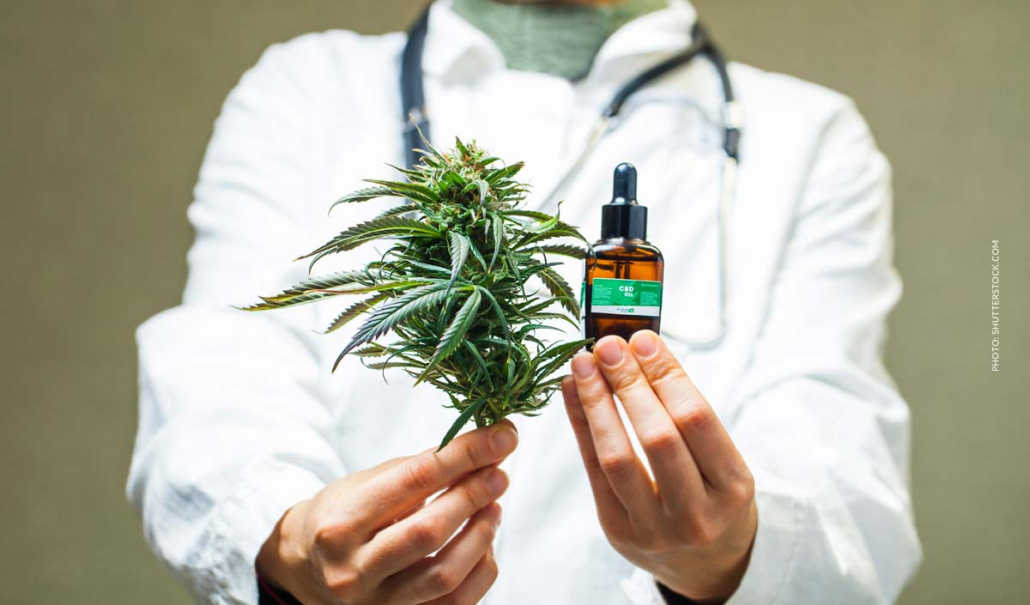
Sublingual oils and tinctures are the most common forms prescribed in the UK. These are placed under the tongue and absorbed through the mucous membranes, providing onset of effects within 15-30 minutes. Dosing is easily adjustable via dropper measurements, making them ideal for titration protocols. Oils typically range from 5mg to 20mg CBD per millilitre.
Capsules and Tablets
Encapsulated products provide consistent, pre-measured dosing and are convenient for daily use. However, they are absorbed through the digestive system, resulting in slower onset (45-90 minutes) and variable bioavailability depending on food intake and individual metabolism. Capsule strengths commonly range from 5mg to 25mg per capsule.
Dried Flower
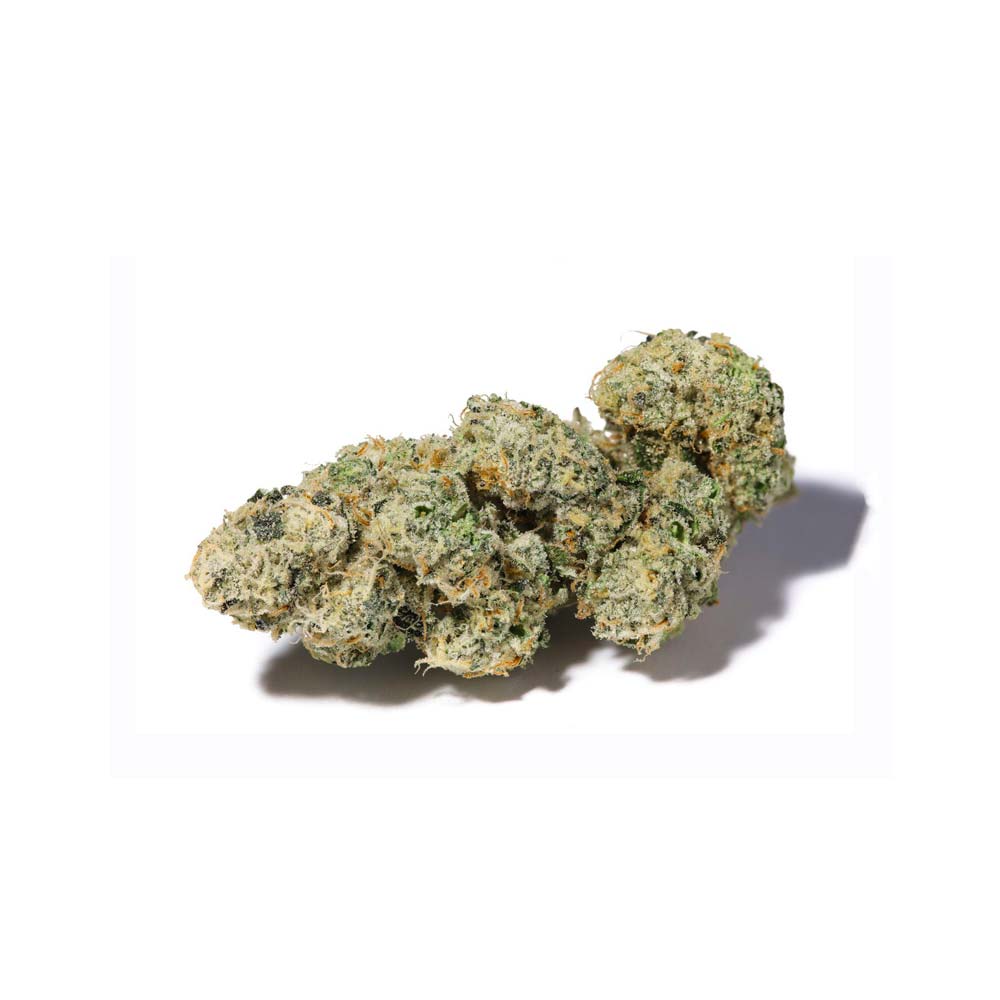
Some UK patients with anxiety are prescribed cannabis flower for vaporisation. Vaporising provides rapid onset (within minutes) but dosing is less precise than oils or capsules. If prescribed flower, your clinician will provide guidance on appropriate doses and vaporisation techniques. Anxiety patients typically use 0.1-0.3 grams per dose.
Other Routes
Edibles, topicals, and sprays are less commonly prescribed for anxiety in the UK, though some patients may find certain formulations beneficial. Discuss alternative routes with your prescriber to determine suitability.
Titration Strategy and Monitoring
Successful anxiety management requires systematic titration with careful monitoring. Follow these evidence-informed principles:
Maintain a detailed symptom diary, recording anxiety levels (0-10 scale), frequency, triggers, and any side effects
Increase doses gradually—typically 5-10mg increments every 1-2 weeks
Allow at least 2-3 weeks at each dose level before increasing, as some benefits take time to manifest
Communicate regularly with your prescriber via follow-up consultations or clinic check-ins
Consider potential medication interactions, particularly if taking other CNS-active medications
Avoid rapid dose escalation, as this increases risk of side effects and may worsen anxiety
When to Contact Your UK Prescriber
Maintain open communication with your healthcare provider throughout treatment. Contact your prescriber if you experience:
Significant worsening of anxiety symptoms
Unexpected side effects such as dizziness, drowsiness, or dry mouth
Signs of dependency or tolerance (requiring increasingly higher doses with diminishing effect)
Interactions with other medications
Suicidal ideation or self-harm thoughts (seek emergency services immediately)
Pregnancy or plans to become pregnant
Need for dose adjustment after several weeks
For comprehensive information about medical cannabis in the UK, visit our medical cannabis UK guide.
Legal Status in the UK
Cannabis-based medicinal products are only legal in the UK when prescribed by a registered healthcare provider. Self-medication with non-prescribed cannabis products remains illegal. Only licensed products or those prescribed by specialist clinics comply with UK law. Always ensure your prescription comes from an authorised NHS or private clinic.
Medical Disclaimer
Important: This guide is educational and does not constitute medical advice. The information provided is general in nature and does not replace professional medical consultation. Cannabis-based products carry risks and are not suitable for all patients. Anxiety management should always be undertaken under the supervision of a qualified healthcare provider. Do not adjust doses without professional guidance, and inform all healthcare professionals of cannabis use as it may interact with other medications. If you experience mental health crisis symptoms, contact emergency services or the Samaritans (116 123) immediately.
https://cannazen.co.uk/wp-content/uploads/2026/01/cosmic-mac-cannabis-doctor-prescription-pharmacy-shop-blute.jpg10001000CannaZen UK Editorial Teamhttps://cannazen.co.uk/wp-content/uploads/2026/01/cannazen-shop-lieferung-cannabis-weed-hemp-online.svgCannaZen UK Editorial Team2026-05-15 10:47:112026-05-23 10:44:04CBD & Cannabis Dosing for Anxiety UK: How Much to Take
We may request cookies to be set on your device. We use cookies to let us know when you visit our websites, how you interact with us, to enrich your user experience, and to customize your relationship with our website.
Click on the different category headings to find out more. You can also change some of your preferences. Note that blocking some types of cookies may impact your experience on our websites and the services we are able to offer.
Essential Website Cookies
These cookies are strictly necessary to provide you with services available through our website and to use some of its features.
Because these cookies are strictly necessary to deliver the website, refusing them will have impact how our site functions. You always can block or delete cookies by changing your browser settings and force blocking all cookies on this website. But this will always prompt you to accept/refuse cookies when revisiting our site.
We fully respect if you want to refuse cookies but to avoid asking you again and again kindly allow us to store a cookie for that. You are free to opt out any time or opt in for other cookies to get a better experience. If you refuse cookies we will remove all set cookies in our domain.
We provide you with a list of stored cookies on your computer in our domain so you can check what we stored. Due to security reasons we are not able to show or modify cookies from other domains. You can check these in your browser security settings.
Google Analytics Cookies
These cookies collect information that is used either in aggregate form to help us understand how our website is being used or how effective our marketing campaigns are, or to help us customize our website and application for you in order to enhance your experience.
If you do not want that we track your visit to our site you can disable tracking in your browser here:
Other external services
We also use different external services like Google Webfonts, Google Maps, and external Video providers. Since these providers may collect personal data like your IP address we allow you to block them here. Please be aware that this might heavily reduce the functionality and appearance of our site. Changes will take effect once you reload the page.
Google Webfont Settings:
Google Map Settings:
Google reCaptcha Settings:
Vimeo and Youtube video embeds:
Other cookies
The following cookies are also needed - You can choose if you want to allow them:
Privacy Policy
You can read about our cookies and privacy settings in detail on our Privacy Policy Page.