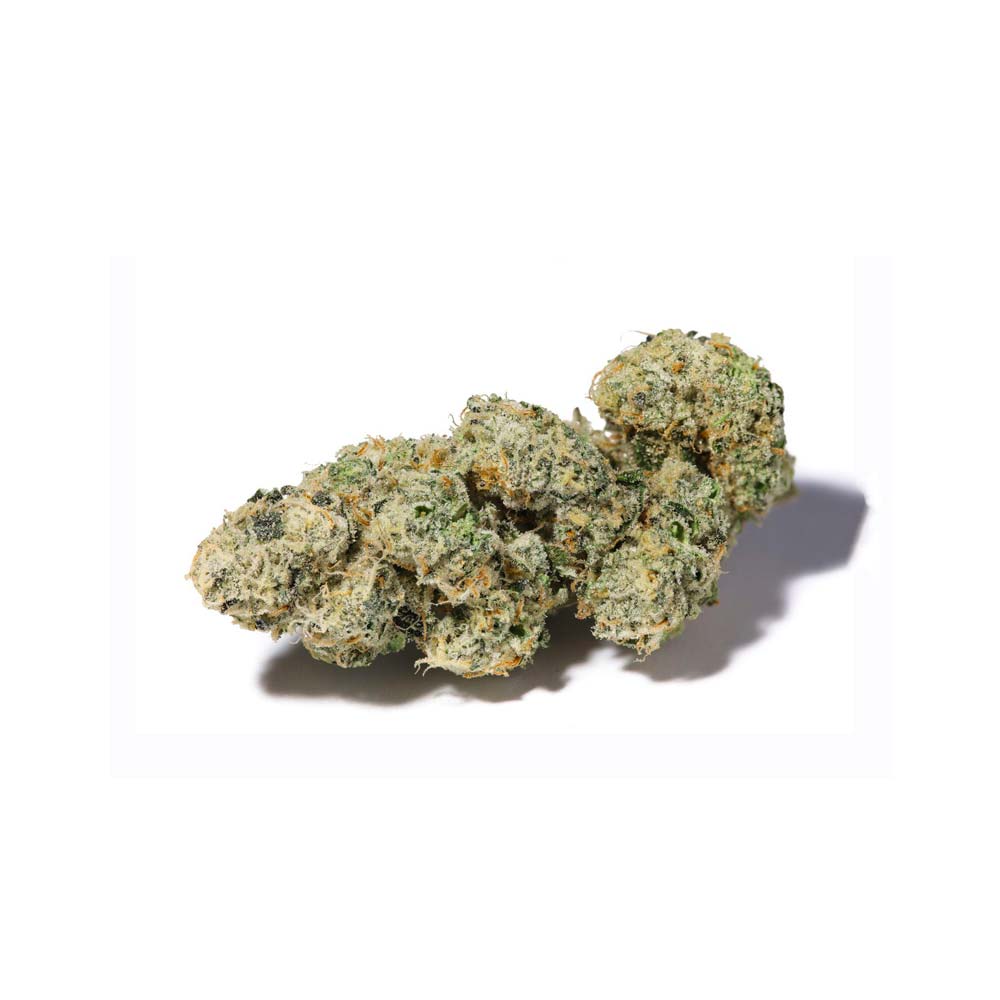
Myrcene in Cannabis: Effects, Benefits & UK Medical Guide
Myrcene in Cannabis: A Comprehensive Guide for UK Medical Patients
Myrcene is one of the most abundant terpenes found in cannabis, yet many UK medical patients remain unaware of its significant therapeutic properties. Understanding this compound can help patients make informed decisions about their treatment options and optimise their use of medical cannabis UK prescriptions.
What is Myrcene?
Myrcene is a monoterpene—a small organic molecule that contributes to the aroma and flavour profile of plants. In cannabis, myrcene is produced within trichomes, the crystal-like structures covering the flower and leaves. Chemically, myrcene is an acyclic monoterpene with the molecular formula C??H??, and it represents one of the most prevalent terpenes in most cannabis cultivars.
The presence and concentration of myrcene significantly influences the overall therapeutic and sensory experience of a cannabis product. Strains containing myrcene typically exceed the 0.5% dry weight threshold, which some researchers suggest may enhance cannabinoid absorption across the blood-brain barrier.
Myrcene is far from exclusive to cannabis. This terpene appears naturally in numerous plants that many UK households will recognise:
Mangoes: The most celebrated natural source of myrcene, ripe mangoes contain substantial quantities of this terpene. Some consumers report that consuming mangoes shortly before cannabis use may enhance and prolong effects, though scientific evidence for this synergy remains limited.
Hops: Essential to beer production, hops contain myrcene as a primary terpene. This explains why some describe certain beers as having earthy, herbal notes similar to cannabis.
Thyme: This culinary herb contains myrcene alongside other volatile compounds, contributing to its distinctive herbal aroma and traditional medicinal uses.
Lemongrass: Widely used in Asian cuisine and traditional medicine, lemongrass provides another rich source of myrcene, along with citral compounds responsible for its lemon-like fragrance.
These natural sources demonstrate that myrcene is a normal component of botanical compounds, with a long history of human consumption and traditional use.
Myrcene’s Effects on the Body and Mind
Scientific research has identified several key mechanisms through which myrcene influences physiology and psychology, making it particularly relevant for UK medical cannabis patients:
Sedative Properties
Myrcene exhibits pronounced sedative effects, contributing to the relaxing sensation many users associate with indica-dominant strains. Research suggests myrcene may work synergistically with cannabinoids to enhance sedation, making it valuable for patients with insomnia and sleep disorders. The terpene may increase dopamine levels in the brain, promoting relaxation.
Analgesic and Anti-inflammatory Effects
Multiple studies indicate myrcene possesses analgesic (pain-relieving) properties. The terpene appears to enhance the pain-relieving effects of THC and may also reduce inflammation through multiple pathways. For UK medical patients managing chronic pain conditions, myrcene-rich strains may offer superior relief compared to other varieties.
Muscle Relaxation
Myrcene demonstrates muscle-relaxant properties, which can benefit patients experiencing muscle tension, spasticity, or conditions like multiple sclerosis. This effect likely contributes to the “couch-lock” sensation frequently described by myrcene-heavy strains.
The Couch-Lock Phenomenon
The term “couch-lock” describes a state of profound physical relaxation and immobility often associated with myrcene-rich cannabis. While this can be therapeutic for evening use in managing pain and promoting sleep, patients should avoid operating vehicles or machinery when experiencing these effects.
Synergy with THC
One of the most significant aspects of myrcene is its apparent enhancement of THC absorption and effects. The terpene may inhibit the blood-brain barrier’s resistance to cannabinoids, allowing THC to reach therapeutic sites more effectively. This synergistic relationship explains why myrcene content deserves consideration when selecting appropriate cannabis strains for individual therapeutic needs.
Cannabis Strains High in Myrcene
Several established cannabis strains are notable for their myrcene content. UK medical patients should be aware of these options when consulting healthcare providers:
OG Kush: Perhaps the most famous myrcene-rich strain, OG Kush typically contains 0.5-1% myrcene by dry weight. It produces strong sedative and analgesic effects, making it suitable for evening use in managing pain and insomnia.
Blue Dream: This hybrid strain balances myrcene with other terpenes, offering both relaxation and mild mental clarity. The myrcene content contributes to its body-focused effects whilst maintaining some cognitive function.
Granddaddy Purple: High in myrcene and known for deep purple colouration, this strain delivers potent sedative effects ideal for pain management and sleep disorders. The myrcene content significantly contributes to its therapeutic profile.
Grape Ape: Another myrcene-dominant strain, Grape Ape offers strong relaxation and is particularly useful for patients managing anxiety alongside pain or sleep disturbances.
Clinical Applications for UK Medical Patients
Myrcene-rich cannabis has demonstrated utility in managing several conditions for which medical cannabis UK prescriptions are available:
Chronic Pain Management
The combination of myrcene’s analgesic properties and its synergy with THC makes high-myrcene strains particularly effective for chronic pain conditions, including neuropathic pain and musculoskeletal disorders.
Sleep Disorders
For patients with insomnia, myrcene-dominant strains taken in the evening can promote sleep onset and quality. The sedative effects typically begin within 30-60 minutes of consumption.
Anxiety and PTSD
The muscle-relaxant and sedative properties of myrcene can help reduce anxiety symptoms and hyperarousal associated with PTSD, though individual responses vary considerably.
Spasticity and Muscle Tension
Patients with multiple sclerosis, cerebral palsy, or other conditions causing spasticity may benefit from myrcene’s muscle-relaxant effects when combined with cannabinoids.
Considerations for UK Medical Patients
When using myrcene-rich cannabis, patients should note that effects are dose-dependent and highly individual. Myrcene-dominant strains may cause drowsiness and reduced motor coordination, requiring careful timing around daily activities. Always follow guidance from prescribing specialists and avoid driving after consumption. Starting with lower doses allows patients to assess their individual response before increasing amounts.
The presence of myrcene should inform strain selection decisions in consultation with healthcare providers, ensuring alignment with individual therapeutic goals and lifestyle requirements.
Medical Disclaimer: The information on this page is for educational purposes only and does not constitute medical advice. Always consult a licensed healthcare professional before starting any new treatment.
https://cannazen.co.uk/wp-content/uploads/2026/01/cosmic-mac-cannabis-doctor-prescription-pharmacy-shop-blute.jpg10001000CannaZen UK Editorial Teamhttps://cannazen.co.uk/wp-content/uploads/2026/01/cannazen-shop-lieferung-cannabis-weed-hemp-online.svgCannaZen UK Editorial Team2026-05-15 10:37:492026-05-23 10:41:25Myrcene in Cannabis: Effects, Benefits & UK Medical Guide
We may request cookies to be set on your device. We use cookies to let us know when you visit our websites, how you interact with us, to enrich your user experience, and to customize your relationship with our website.
Click on the different category headings to find out more. You can also change some of your preferences. Note that blocking some types of cookies may impact your experience on our websites and the services we are able to offer.
Essential Website Cookies
These cookies are strictly necessary to provide you with services available through our website and to use some of its features.
Because these cookies are strictly necessary to deliver the website, refusing them will have impact how our site functions. You always can block or delete cookies by changing your browser settings and force blocking all cookies on this website. But this will always prompt you to accept/refuse cookies when revisiting our site.
We fully respect if you want to refuse cookies but to avoid asking you again and again kindly allow us to store a cookie for that. You are free to opt out any time or opt in for other cookies to get a better experience. If you refuse cookies we will remove all set cookies in our domain.
We provide you with a list of stored cookies on your computer in our domain so you can check what we stored. Due to security reasons we are not able to show or modify cookies from other domains. You can check these in your browser security settings.
Google Analytics Cookies
These cookies collect information that is used either in aggregate form to help us understand how our website is being used or how effective our marketing campaigns are, or to help us customize our website and application for you in order to enhance your experience.
If you do not want that we track your visit to our site you can disable tracking in your browser here:
Other external services
We also use different external services like Google Webfonts, Google Maps, and external Video providers. Since these providers may collect personal data like your IP address we allow you to block them here. Please be aware that this might heavily reduce the functionality and appearance of our site. Changes will take effect once you reload the page.
Google Webfont Settings:
Google Map Settings:
Google reCaptcha Settings:
Vimeo and Youtube video embeds:
Other cookies
The following cookies are also needed - You can choose if you want to allow them:
Privacy Policy
You can read about our cookies and privacy settings in detail on our Privacy Policy Page.