Alpha & Beta Pinene in Cannabis: Memory, Breathing & UK
Alpha-Pinene and Beta-Pinene in Cannabis: A Guide for UK Medical Patients
Pinenes are among the most abundant terpenes found in cannabis and nature at large. For UK medical patients, understanding these naturally occurring compounds can help inform treatment decisions and optimise therapeutic outcomes. This guide explores what pinenes are, their origins in nature, their effects on the body and mind, and which cannabis strains contain elevated levels of these beneficial terpenes.
What Are Pinenes and Where Are They Found?
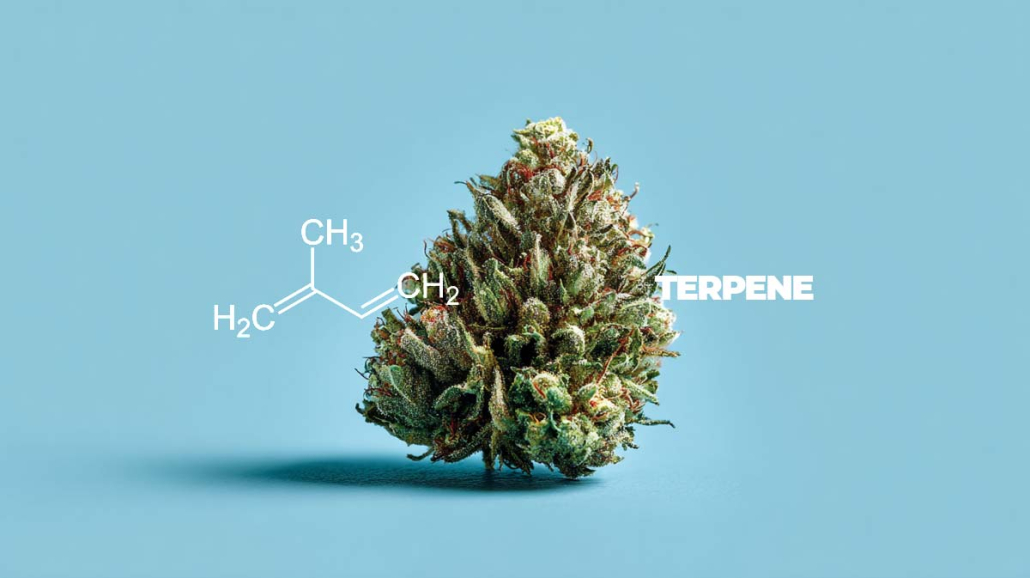
Pinenes are volatile organic compounds classified as monoterpenes. They exist in two primary forms: alpha-pinene and beta-pinene. These molecules are responsible for the distinctive piney, woodsy aroma characteristic of many plants and natural environments.
In nature, pinenes are widespread and abundant. They occur in high concentrations in pine trees, where they serve protective and structural functions within the plant. Beyond conifers, pinenes are found in numerous aromatic herbs including rosemary, sage, eucalyptus, and basil. These compounds contribute to the traditional medicinal properties attributed to these plants across various cultures and medical traditions.
Within cannabis plants, pinenes develop in the trichomes alongside cannabinoids and other terpenes. The concentration of pinenes in individual cannabis strains varies considerably depending on genetics, growing conditions, and harvest timing. For patients using medical cannabis UK prescriptions, selecting strains with documented pinene profiles can provide targeted therapeutic benefits.
Pinenes interact with human physiology through multiple mechanisms. One of the most documented effects is bronchodilation—the widening of airways in the respiratory system. This property makes pinene-rich cannabis particularly relevant for patients with respiratory compromise or those requiring improved lung function. The bronchodilatory action occurs through interaction with airway smooth muscle, potentially offering symptomatic relief without the irritation sometimes associated with cannabis smoke.
Research indicates that pinenes possess anti-inflammatory properties, operating through several biochemical pathways. These compounds may reduce inflammatory markers in the body, making them potentially valuable for patients managing chronic inflammatory conditions. The anti-inflammatory effects operate synergistically when combined with cannabis-derived cannabinoids like CBD and THC, which themselves possess anti-inflammatory activity.
Additionally, pinenes demonstrate antimicrobial and antifungal properties in laboratory settings. While clinical applications in UK medical cannabis therapy remain limited, these characteristics contribute to the overall therapeutic profile of pinene-containing strains.
Effects on Cognitive Function and Mental Clarity
Perhaps uniquely among cannabis terpenes, pinenes show potential to counteract some cognitive effects associated with THC use. While THC can impair memory formation and reduce short-term memory recall, preliminary research suggests that pinenes may help mitigate these effects through their action on memory-related neural pathways.
Pinenes appear to enhance alertness and mental focus by influencing neurotransmitter activity. Some research indicates that alpha-pinene can inhibit acetylcholinesterase, an enzyme that breaks down acetylcholine—a neurotransmitter crucial for memory and attention. By slowing acetylcholine degradation, pinenes may support sustained cognitive performance.
For UK medical patients using THC-dominant cannabis products, selecting strains rich in pinenes could theoretically help maintain greater cognitive clarity while still accessing the therapeutic benefits of cannabinoids. This represents an important consideration for patients who must remain cognitively functional during their treatment.
Cannabis Strains High in Pinene Content
Several cannabis strains are notable for elevated pinene concentrations. Understanding which strains contain higher levels can help patients and their clinicians make informed treatment choices.
Jack Herer is a legendary strain known for its high alpha-pinene content. This hybrid strain produces a distinctive piney aroma and is frequently selected by patients seeking strains that support alertness and focus whilst managing pain and inflammation. The pinene profile contributes to its reputation as a daytime-suitable medical strain.
Blue Dream combines significant pinene levels with balanced cannabinoid profiles, making it popular among UK medical patients. Its pinene content enhances the strain’s uplifting effects whilst supporting respiratory function and mental clarity.
Dutch Treat offers another pinene-rich option, presenting earthy, pine-forward aromatics alongside therapeutic cannabinoid ratios. This strain suits patients prioritising respiratory and cognitive benefits alongside symptom management.
Romulan exhibits particularly high alpha-pinene concentrations, delivering strong piney characteristics and pronounced bronchodilatory potential. Patients with respiratory conditions frequently select this strain specifically for its pinene profile.
OG Kush, despite its reputation as an evening strain, contains meaningful pinene levels that contribute to its complex therapeutic effects. Its pinene content partially explains why some patients report enhanced mental clarity even with its THC-dominant profile.
Medical Applications for UK Patients
UK medical cannabis patients can benefit from pinene-containing strains across several therapeutic areas. Patients managing chronic respiratory conditions such as asthma or COPD may find that pinene-rich strains provide bronchodilatory support, potentially improving breathing and reducing reliance on other medications under clinical supervision.
For patients with inflammatory conditions including rheumatoid arthritis, Crohn’s disease, or other chronic inflammatory disorders, pinene-containing strains offer complementary anti-inflammatory action to cannabinoid therapies. The combination of pinenes with CBD or THC can produce enhanced anti-inflammatory effects compared to isolated cannabinoids.
Cognitive function and alertness matter significantly for working patients and those managing neurological conditions. Selecting pinene-rich strains can help maintain mental clarity—particularly important for daytime medication and for patients who must remain functionally alert.
Patients prescribed medical cannabis UK products should discuss pinene profiles with their prescribing clinician. Medical professionals can help match pinene-containing strains to individual therapeutic goals and existing health conditions, ensuring optimal treatment outcomes whilst monitoring for any adverse effects or drug interactions.
Conclusion
Alpha-pinene and beta-pinene represent significant terpenes within the cannabis therapeutic profile. Their natural abundance in familiar plants like rosemary and eucalyptus, combined with evidence-based effects on respiratory function, inflammation, and cognitive preservation, makes them valuable considerations for UK medical cannabis patients. By selecting strains with documented higher pinene content, patients can potentially optimise their therapeutic response whilst maintaining the cognitive clarity necessary for daily functioning.
Medical Disclaimer: The information on this page is for educational purposes only and does not constitute medical advice. Always consult a licensed healthcare professional before starting any new treatment.
https://cannazen.co.uk/wp-content/uploads/2026/01/cosmic-mac-cannabis-doctor-prescription-pharmacy-shop-blute.jpg10001000CannaZen UK Editorial Teamhttps://cannazen.co.uk/wp-content/uploads/2026/01/cannazen-shop-lieferung-cannabis-weed-hemp-online.svgCannaZen UK Editorial Team2026-05-15 10:37:492026-05-23 10:41:25Alpha & Beta Pinene in Cannabis: Memory, Breathing & UK
We may request cookies to be set on your device. We use cookies to let us know when you visit our websites, how you interact with us, to enrich your user experience, and to customize your relationship with our website.
Click on the different category headings to find out more. You can also change some of your preferences. Note that blocking some types of cookies may impact your experience on our websites and the services we are able to offer.
Essential Website Cookies
These cookies are strictly necessary to provide you with services available through our website and to use some of its features.
Because these cookies are strictly necessary to deliver the website, refusing them will have impact how our site functions. You always can block or delete cookies by changing your browser settings and force blocking all cookies on this website. But this will always prompt you to accept/refuse cookies when revisiting our site.
We fully respect if you want to refuse cookies but to avoid asking you again and again kindly allow us to store a cookie for that. You are free to opt out any time or opt in for other cookies to get a better experience. If you refuse cookies we will remove all set cookies in our domain.
We provide you with a list of stored cookies on your computer in our domain so you can check what we stored. Due to security reasons we are not able to show or modify cookies from other domains. You can check these in your browser security settings.
Google Analytics Cookies
These cookies collect information that is used either in aggregate form to help us understand how our website is being used or how effective our marketing campaigns are, or to help us customize our website and application for you in order to enhance your experience.
If you do not want that we track your visit to our site you can disable tracking in your browser here:
Other external services
We also use different external services like Google Webfonts, Google Maps, and external Video providers. Since these providers may collect personal data like your IP address we allow you to block them here. Please be aware that this might heavily reduce the functionality and appearance of our site. Changes will take effect once you reload the page.
Google Webfont Settings:
Google Map Settings:
Google reCaptcha Settings:
Vimeo and Youtube video embeds:
Other cookies
The following cookies are also needed - You can choose if you want to allow them:
Privacy Policy
You can read about our cookies and privacy settings in detail on our Privacy Policy Page.