
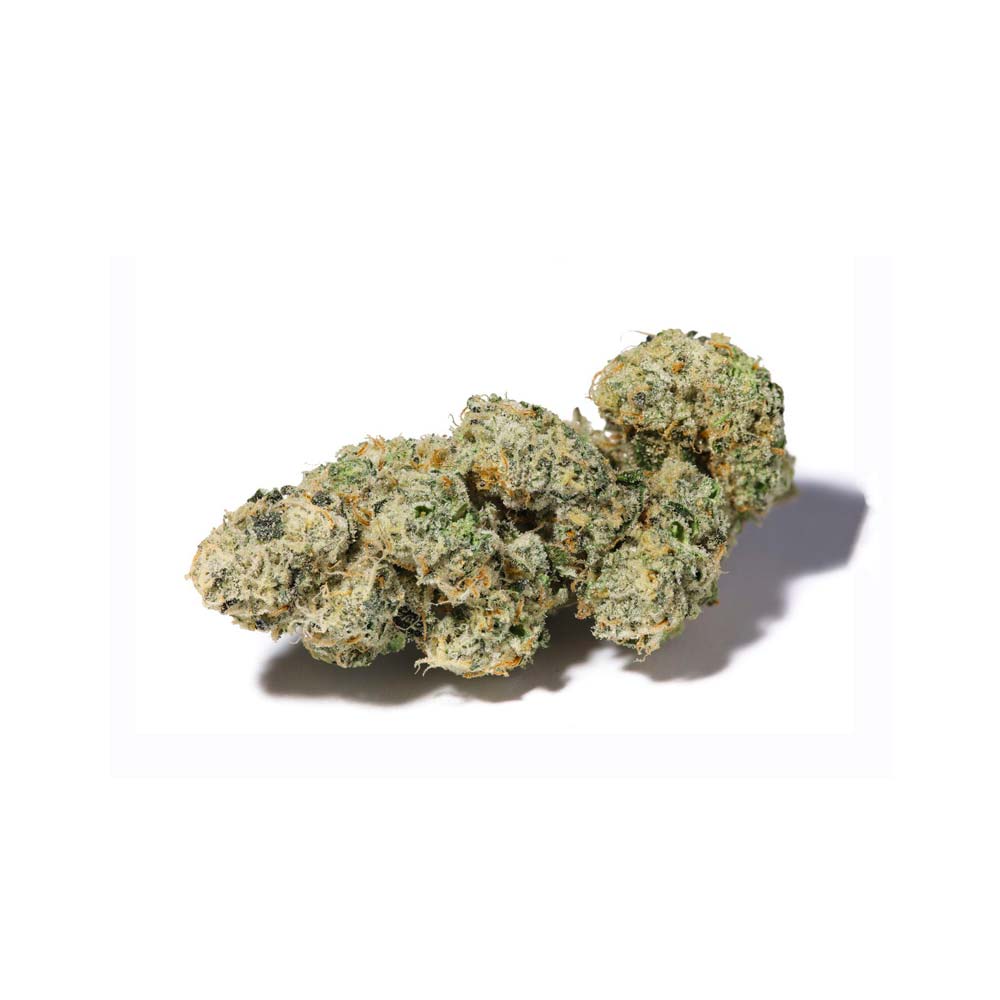
Eucalyptol (1,8-Cineole) in Medical Cannabis: A Comprehensive Guide for UK Patients
What is Eucalyptol and Where It Is Found in Nature
Eucalyptol, scientifically known as 1,8-cineole, is a naturally occurring organic compound classified as a monoterpene. It is a colourless liquid with a characteristic cooling, camphoraceous aroma and represents one of the most abundant terpenes found throughout the plant kingdom. While cannabis contains eucalyptol in varying concentrations, this compound is far more famously associated with other botanicals.
The primary natural source of eucalyptol is the eucalyptus tree, native to Australia, from which the compound derives its name. Eucalyptus species contain concentrations ranging from 60-90% eucalyptol in their essential oils, making them the richest natural reservoir of this terpene. Beyond eucalyptus, eucalyptol is abundant in tea tree oil, where it comprises approximately 40% of the essential oil composition. Other significant natural sources include rosemary, sage, bay leaves, and peppermint. These plants have long been utilised in traditional medicine systems across various cultures for respiratory and cognitive support.
- Eucalyptus trees (60-90% concentration)
- Tea tree (Melaleuca alternifolia)
- Rosemary (Rosmarinus officinalis)
- Sage (Salvia officinalis)
- Bay leaves (Laurus nobilis)
- Cannabis varieties (trace to moderate amounts)
Effects on the Body and Mind: Scientific Context
Eucalyptol exerts multiple physiological and neurological effects that are particularly relevant for medical cannabis UK patients. Understanding these mechanisms helps patients and healthcare providers make informed decisions about strain selection and therapeutic applications.
Bronchodilator and Respiratory Benefits
One of eucalyptol’s most well-documented effects is its bronchodilatory action. Scientific research demonstrates that eucalyptol relaxes bronchial smooth muscle, facilitating improved airflow and easier breathing. This mechanism is particularly valuable for patients with respiratory conditions such as chronic obstructive pulmonary disease (COPD) and asthma. Clinical studies have shown that inhalation of eucalyptol vapour can increase airway diameter and reduce respiratory resistance within minutes of exposure.
Anti-Inflammatory Properties
Eucalyptol exhibits potent anti-inflammatory effects through multiple pathways. Research indicates that the compound suppresses pro-inflammatory cytokine production and modulates immune cell activity. For chronic pain patients and those with inflammatory conditions, this mechanism works synergistically with cannabinoids in the cannabis plant, potentially enhancing therapeutic outcomes. The anti-inflammatory action extends to both systemic inflammation and localised inflammatory responses.
Analgesic and Antimicrobial Actions
Eucalyptol demonstrates analgesic properties that complement cannabis-derived pain relief mechanisms. Additionally, the compound exhibits broad-spectrum antimicrobial activity against bacteria, fungi, and viruses. This dual action makes eucalyptol-rich cannabis particularly relevant for patients managing pain alongside infectious concerns or compromised immune function. Antimicrobial properties may also contribute to improved respiratory health in patients with chronic respiratory infections.
Cognitive Enhancement and Neuroprotection
Emerging research suggests eucalyptol may offer cognitive benefits through multiple mechanisms. Studies indicate the compound enhances acetylcholine activity in the central nervous system, potentially improving memory, attention, and processing speed. This mechanism is particularly noteworthy given current Alzheimer’s disease research, where acetylcholine-enhancing compounds represent a primary therapeutic target. Preliminary in vitro research suggests eucalyptol may possess neuroprotective properties against amyloid-beta accumulation, though human clinical trials remain limited. For UK medical patients experiencing cognitive changes or seeking cognitive optimisation, eucalyptol-containing cannabis strains warrant consideration.
Cannabis Strains High in Eucalyptol
Several cannabis strains cultivated for UK medical use contain notably elevated eucalyptol concentrations, making them particularly suitable for specific therapeutic applications.
Super Silver Haze is renowned for its elevated eucalyptol profile, often reaching 0.4-0.8% of total terpene content. This sativa-dominant hybrid combines eucalyptol with myrcene and pinene, creating a refreshing, cerebral profile suited to daytime use and cognitive applications.
Girl Scout Cookies presents a balanced terpene profile with significant eucalyptol alongside limonene and caryophyllene. This hybrid offers both mental clarity and pain relief, making it versatile for varied patient needs.
Headband, a hybrid strain, contains eucalyptol in notable amounts and is frequently selected by patients seeking respiratory support combined with mild analgesic effects. Its effects are typically reported as balanced between mental stimulation and physical relaxation.
AC/DC, a high-CBD strain, incorporates eucalyptol into a cannabinoid profile that emphasises therapeutic benefit over psychoactive effect. This strain is particularly relevant for patients unable to tolerate high THC concentrations or seeking pure medical outcomes.
How UK Medical Cannabis Patients Use and Benefit from Eucalyptol
Respiratory Condition Management
UK medical cannabis patients with chronic respiratory conditions represent a primary user group benefiting from eucalyptol-rich strains. COPD patients, in particular, report improved breathing capacity and reduced respiratory effort when using cannabis varieties with elevated eucalyptol content. The bronchodilatory mechanism provides measurable functional improvements, particularly when vaporisation is employed as the delivery method, combining cannabinoid effects with direct eucalyptol inhalation.
Cognitive Health and Neuroprotection
Patients receiving medical cannabis UK prescriptions for cognitive concerns increasingly select eucalyptol-rich strains. While cannabis’s cognitive effects remain complex due to THC-induced short-term memory effects in some users, eucalyptol’s acetylcholine-enhancing properties may counterbalance this concern, particularly in balanced or CBD-dominant strains. Research into cannabis and cognitive decline is ongoing, but patient reports of improved mental clarity with specific high-eucalyptol strains are encouraging.
Chronic Pain Management
The analgesic and anti-inflammatory properties