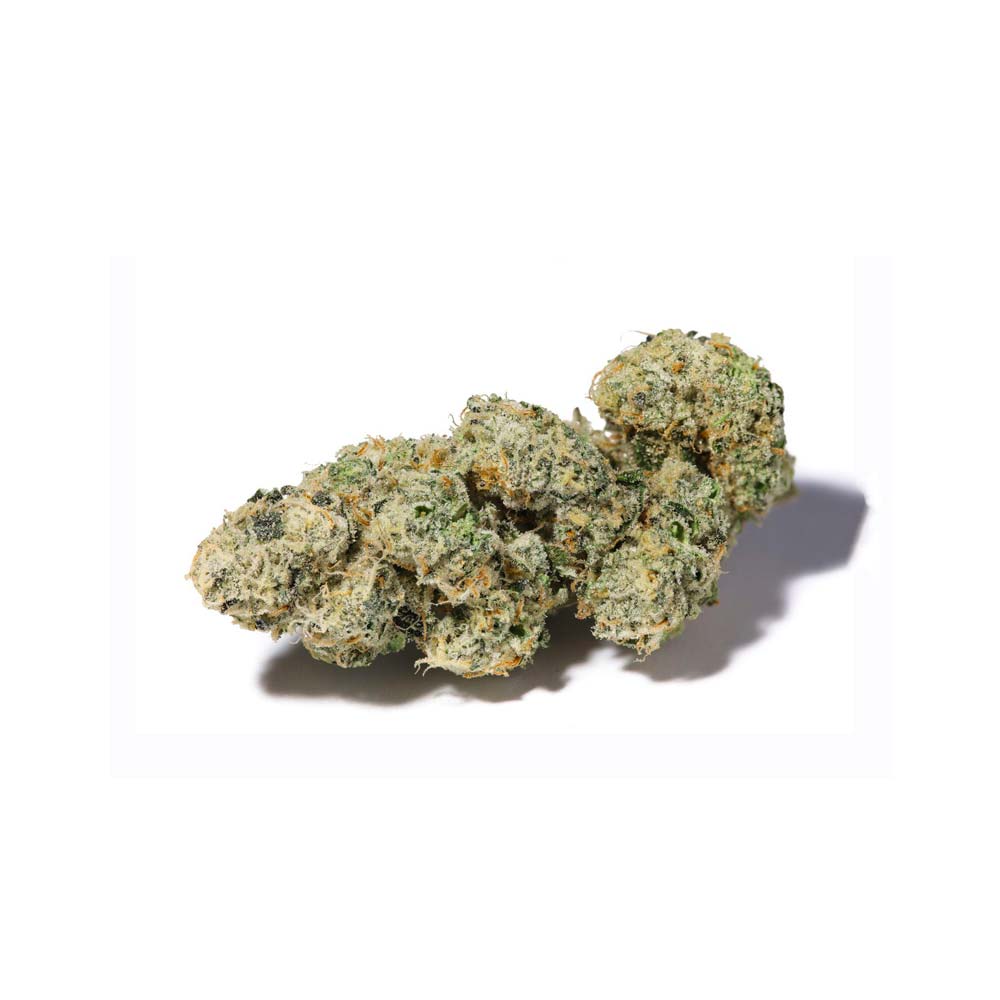
Nano CBD refers to cannabidiol (CBD) particles that have been reduced to nanoscale sizes—typically between 1 and 100 nanometres. This process, known as nanotechnology or nanoemulsion, breaks down CBD molecules into significantly smaller particles compared to conventional CBD products.
CBD itself is one of over 100 cannabinoids found in cannabis sativa plants. Unlike THC, CBD is non-intoxicating and does not produce a “high.” The molecular structure of CBD contains 21 carbon atoms, 30 hydrogen atoms, and 2 oxygen atoms arranged in a specific configuration that interacts with the body’s endocannabinoid system.
Nano CBD is created through advanced processing techniques that reduce particle size, theoretically allowing for better absorption through cell membranes. The origin remains the same as standard CBD—extracted from hemp or cannabis plants—but the nanotechnology enhancement aims to improve how the body utilises the compound.
CBD is reported to have several potential therapeutic effects, though research is still developing. Users commonly report relaxation, reduced anxiety, improved sleep quality, and pain relief. Many patients turn to CBD oil UK products seeking these benefits alongside conventional treatments.
Current research evidence supports certain applications more strongly than others. CBD has shown promise in managing treatment-resistant epilepsy, with Epidyolex (a licensed CBD medication) approved for specific seizure disorders. Studies also indicate potential benefits for anxiety disorders, chronic pain, and sleep disturbances, though more large-scale clinical trials are needed for definitive conclusions.
The proposed advantage of nano CBD is improved bioavailability—the amount of CBD your body actually absorbs and utilises. Standard CBD products have relatively low bioavailability due to poor absorption through the digestive system and cell membranes. Nano particles theoretically have greater surface area and penetrate cellular barriers more efficiently, meaning smaller doses might deliver equivalent effects. However, robust clinical evidence specifically comparing nano CBD to conventional CBD in humans remains limited.
Research into nanoemulsions shows promise in laboratory settings, but real-world efficacy data in UK patient populations is still emerging. Some studies suggest improved absorption rates, whilst others highlight that the clinical significance of this improvement may be minimal for certain applications.
How UK Medical Cannabis Patients Access and Use Nano CBD
UK patients interested in medical cannabis UK products, including nano CBD formulations, typically access them through two main routes: prescription-based medical cannabis or over-the-counter CBD products.
For prescription-based medical cannabis, patients must have a formal diagnosis of a qualifying condition—such as chronic pain, epilepsy, multiple sclerosis, or chemotherapy-related nausea. They need to consult with a registered healthcare provider who can prescribe medical cannabis, and the prescription must come from a doctor with specialist knowledge in cannabinoid medicines.
For over-the-counter nano CBD products, patients can purchase directly from licensed retailers, online suppliers, or health shops. These products include nano CBD oils, tinctures, capsules, edibles, and topical applications. Dosing varies significantly between products; users typically start with lower doses and gradually increase based on individual response and tolerance.
Medical best UK cannabis clinics in the UK increasingly offer various CBD formulations, sometimes including nano CBD products. Private clinics may provide consultations and prescription services, whilst NHS availability remains limited to specific circumstances and specialists.
Legal Status in the UK
The legal landscape for CBD and medical cannabis in the UK is clearly defined but sometimes misunderstood. CBD products containing less than 1mg of THC per container are legal to purchase and possess without prescription. This applies to most over-the-counter nano CBD products available in the UK market, provided they meet strict labelling and quality standards.
Medical cannabis products containing THC are classified as Schedule 2 controlled substances, meaning they are prescription-only medications. Since 2018, registered doctors with appropriate specialist knowledge can legally prescribe medical cannabis to patients where conventional treatments have failed or caused unacceptable side effects. However, this remains relatively rare on the NHS, and most medical cannabis prescriptions come through private clinics.
Nano CBD products sold as food supplements must comply with Food Standards Authority regulations and cannot make medicinal claims unless they hold formal marketing authorisation. Always verify that nano CBD products you purchase are from reputable suppliers and clearly labelled regarding THC content.
Practical Advice for UK Patients
If you’re considering nano CBD, start by consulting your GP or a healthcare provider familiar with cannabinoid medicine. They can assess whether nano CBD is appropriate for your condition and whether it might interact with existing medications.
When purchasing over-the-counter nano CBD products, choose suppliers who provide third-party laboratory testing certificates confirming CBD content and THC levels below 1mg. Check that products are clearly labelled with batch numbers, expiration dates, and usage instructions.
Begin with lower doses and increase gradually, tracking your response in a symptom diary. Effects may take several days or weeks to become apparent. Store nano CBD products in cool, dark places away from direct sunlight, as cannabinoids degrade when exposed to heat and light.
Be aware that nano CBD is not regulated as strictly as prescription medications. Quality and consistency can vary significantly between brands. Research the manufacturer’s reputation, check customer reviews, and ensure they publish comprehensive testing data.
If you’re currently taking other medications, especially blood thinners or medications metabolised through the liver’s cytochrome P450 system, discuss nano CBD with your pharmacist before starting. CBD can interact with certain medications by affecting how your body processes them.
For more severe conditions or when over-the-counter products prove insufficient, discuss medical cannabis prescription options with your doctor. The regulatory framework around medical cannabis UK continues evolving, and specialist clinicians can determine whether prescription-strength formulations might be more appropriate than over-the-counter alternatives.
Finally, maintain realistic expectations. Whilst nano CBD shows promise, it is not a cure-all. It works best as part of a comprehensive treatment approach including lifestyle modifications, conventional therapies, and professional medical guidance tailored to your individual health circumstances.
Medical Disclaimer: The information on this page is for educational purposes only and does not constitute medical advice. Always consult a licensed healthcare professional before starting any new treatment.
We may request cookies to be set on your device. We use cookies to let us know when you visit our websites, how you interact with us, to enrich your user experience, and to customize your relationship with our website.
Click on the different category headings to find out more. You can also change some of your preferences. Note that blocking some types of cookies may impact your experience on our websites and the services we are able to offer.
Essential Website Cookies
These cookies are strictly necessary to provide you with services available through our website and to use some of its features.
Because these cookies are strictly necessary to deliver the website, refusing them will have impact how our site functions. You always can block or delete cookies by changing your browser settings and force blocking all cookies on this website. But this will always prompt you to accept/refuse cookies when revisiting our site.
We fully respect if you want to refuse cookies but to avoid asking you again and again kindly allow us to store a cookie for that. You are free to opt out any time or opt in for other cookies to get a better experience. If you refuse cookies we will remove all set cookies in our domain.
We provide you with a list of stored cookies on your computer in our domain so you can check what we stored. Due to security reasons we are not able to show or modify cookies from other domains. You can check these in your browser security settings.
Google Analytics Cookies
These cookies collect information that is used either in aggregate form to help us understand how our website is being used or how effective our marketing campaigns are, or to help us customize our website and application for you in order to enhance your experience.
If you do not want that we track your visit to our site you can disable tracking in your browser here:
Other external services
We also use different external services like Google Webfonts, Google Maps, and external Video providers. Since these providers may collect personal data like your IP address we allow you to block them here. Please be aware that this might heavily reduce the functionality and appearance of our site. Changes will take effect once you reload the page.
Google Webfont Settings:
Google Map Settings:
Google reCaptcha Settings:
Vimeo and Youtube video embeds:
Other cookies
The following cookies are also needed - You can choose if you want to allow them:
Privacy Policy
You can read about our cookies and privacy settings in detail on our Privacy Policy Page.