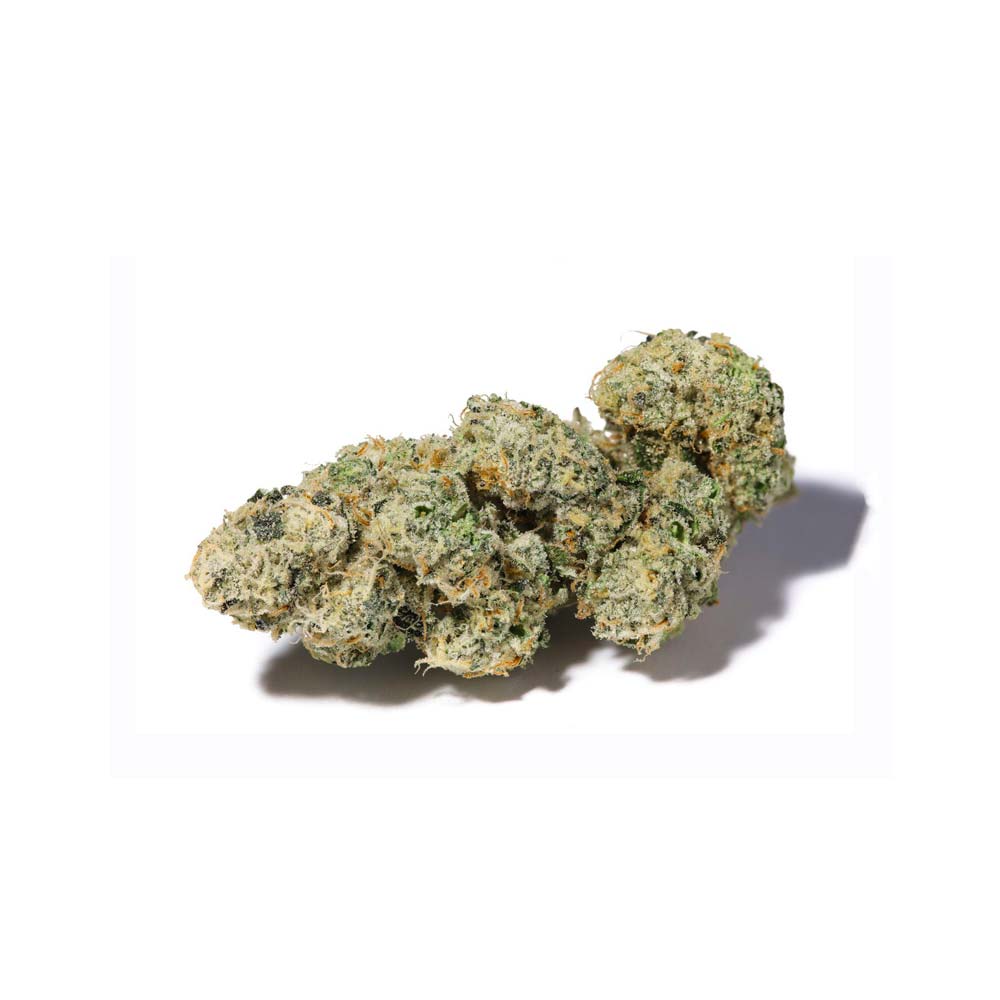
Deep Purple is an indica-dominant hybrid strain that has gained attention amongst UK medical cannabis patients for its distinctive appearance and therapeutic properties. The strain typically exhibits striking purple and dark blue colouration throughout its flower and foliage, particularly when cultivated in cooler conditions, making it instantly recognisable.
Whilst the exact parentage varies depending on the breeder, Deep Purple generally combines genetics from established strains known for their relaxing and pain-relieving properties. The strain represents a balance between yield potential and medicinal benefit, making it a popular choice amongst cultivators and patients alike. The appearance of anthocyanin pigments—responsible for the purple hue—indicates high concentrations of beneficial compounds that contribute to the strain’s therapeutic profile.
THC and CBD Percentages
Deep Purple typically contains THC levels ranging from 16-22%, with most commercially available samples averaging around 18-20%. This moderate to moderately-high THC content provides meaningful therapeutic effects without overwhelming psychoactive intensity, particularly suitable for patients new to cannabis medicines or those sensitive to higher concentrations.
CBD content is generally minimal, typically ranging from 0.1-1%, meaning Deep Purple is not recommended for patients seeking specifically CBD-rich options. Instead, the therapeutic profile relies primarily on THC and minor cannabinoids working synergistically with terpenes. For patients requiring higher CBD ratios, alternative strains would be more appropriate.
Effects and Experience
Deep Purple users typically report a gradual onset of effects within 10-20 minutes when smoked, or 1-2 hours when consumed orally. The experience is characterised by gentle euphoria combined with progressive physical relaxation. Many patients describe an initial cerebral lift that gradually transitions into deep body relaxation without complete sedation, distinguishing it from heavily soporific strains.
The relaxation effect is particularly pronounced in the neck, shoulders, and lower back—areas where many chronic pain patients experience tension. Users frequently report reduced mental chatter and anxiety, with thoughts becoming slower but not foggy. This makes Deep Purple suitable for daytime use in lower doses, though most patients find it more beneficial in late afternoon or evening. The sedative properties intensify with higher doses, naturally supporting sleep onset at night.
Medical Uses and Therapeutic Benefits
Deep Purple shows particular promise for several conditions commonly addressed through medical cannabis in the UK:
Chronic Pain: The strain’s analgesic properties make it valuable for patients with arthritis, fibromyalgia, back pain, and neuropathic pain conditions. The physical relaxation response helps release muscular tension contributing to pain cycles.
Sleep Disorders: At higher doses, Deep Purple promotes sleep onset and maintains sleep duration, benefiting insomnia patients. It tends to reduce sleep disruption from pain or anxiety.
Anxiety and Stress: The anxiolytic properties emerge without complete cognitive impairment, allowing patients to manage generalised anxiety whilst maintaining functionality.
PTSD: The combination of anxiety reduction and relaxation makes Deep Purple potentially useful for PTSD symptom management, though individual responses vary considerably.
Appetite Stimulation: Many patients report improved appetite and enjoyment of food, benefiting those with cancer-related anorexia or insufficient caloric intake.
Availability in UK Pharmacies and Private Prescription
Deep Purple availability through UK medical channels is limited. Presently, most NHS prescriptions favour standardised products from licensed producers, with Deep Purple not commonly featuring on formularies. However, private best UK cannabis clinics may offer Deep Purple through personal prescription services. For information on accessing medical cannabis through appropriate channels, consult best UK cannabis clinics offering private consultations.
Patients should note that whilst Deep Purple genetics are freely available to home growers in the UK (where home cultivation is permitted under certain NHS prescriptions), sourcing it as a finished medical product requires navigating private prescription services.
Growing Information
Indoor Cultivation: Deep Purple thrives indoors under controlled conditions, with a flowering period of 8-9 weeks. Indoor growers typically achieve 400-500g per square metre with proper lighting (600-1000W). The strain responds well to topping and responds favourably to training techniques.
Outdoor Growing: Outdoors, Deep Purple completes flowering by late September to early October in the UK. Yields typically range from 600-800g per plant, though this depends heavily on weather conditions and site selection. The strain’s resilience to cooler, damper British autumns makes it relatively suitable for UK outdoor cultivation.
Environment: Deep Purple prefers temperatures between 18-26°C during vegetative growth, with slightly lower temperatures during flowering to enhance purple coloration. Humidity should remain moderate to prevent mould.
Similar Strains Available in the UK
Patients seeking alternatives to Deep Purple might consider Grandaddy Purple, another purple-hued indica offering similar relaxation and pain relief. Girl Scout Cookies provides comparable THC levels with additional euphoria. For patients preferring established UK availability, Northern Lights and Afghani strains offer similar therapeutic profiles without purple genetics.
Frequently Asked Questions
Will Deep Purple make me too drowsy for daytime use?
Lower doses (under 5mg THC) may permit daytime functionality for some patients, particularly those with established cannabis tolerance. However, most users find Deep Purple most practical for afternoon use onwards, with higher doses reserved for evening.
How does Deep Purple compare to high-CBD strains for anxiety?
Deep Purple’s THC-dominant profile may produce faster anxiety relief than CBD-rich strains but carries increased psychoactive effects. CBD-dominant strains suit patients prioritising non-intoxicating relief. The choice depends on individual tolerance and preference.
Can I legally grow Deep Purple seeds in the UK?
Growing cannabis remains illegal except under specific NHS prescription circumstances. Patients should clarify legal status with healthcare providers before attempting cultivation.
Medical Disclaimer: The information on this page is for educational purposes only and does not constitute medical advice. Always consult a licensed healthcare professional before starting any new treatment.
https://cannazen.co.uk/wp-content/uploads/2026/01/cosmic-mac-cannabis-doctor-prescription-pharmacy-shop-blute.jpg10001000CannaZen UK Editorial Teamhttps://cannazen.co.uk/wp-content/uploads/2026/01/cannazen-shop-lieferung-cannabis-weed-hemp-online.svgCannaZen UK Editorial Team2026-05-14 21:20:362026-05-23 10:50:48Deep Purple Strain UK: Indica Effects and Medical Cannabis Guide
We may request cookies to be set on your device. We use cookies to let us know when you visit our websites, how you interact with us, to enrich your user experience, and to customize your relationship with our website.
Click on the different category headings to find out more. You can also change some of your preferences. Note that blocking some types of cookies may impact your experience on our websites and the services we are able to offer.
Essential Website Cookies
These cookies are strictly necessary to provide you with services available through our website and to use some of its features.
Because these cookies are strictly necessary to deliver the website, refusing them will have impact how our site functions. You always can block or delete cookies by changing your browser settings and force blocking all cookies on this website. But this will always prompt you to accept/refuse cookies when revisiting our site.
We fully respect if you want to refuse cookies but to avoid asking you again and again kindly allow us to store a cookie for that. You are free to opt out any time or opt in for other cookies to get a better experience. If you refuse cookies we will remove all set cookies in our domain.
We provide you with a list of stored cookies on your computer in our domain so you can check what we stored. Due to security reasons we are not able to show or modify cookies from other domains. You can check these in your browser security settings.
Google Analytics Cookies
These cookies collect information that is used either in aggregate form to help us understand how our website is being used or how effective our marketing campaigns are, or to help us customize our website and application for you in order to enhance your experience.
If you do not want that we track your visit to our site you can disable tracking in your browser here:
Other external services
We also use different external services like Google Webfonts, Google Maps, and external Video providers. Since these providers may collect personal data like your IP address we allow you to block them here. Please be aware that this might heavily reduce the functionality and appearance of our site. Changes will take effect once you reload the page.
Google Webfont Settings:
Google Map Settings:
Google reCaptcha Settings:
Vimeo and Youtube video embeds:
Other cookies
The following cookies are also needed - You can choose if you want to allow them:
Privacy Policy
You can read about our cookies and privacy settings in detail on our Privacy Policy Page.