Hash vs Cannabis UK – Difference, Legal Status, Effects
Hash vs Cannabis UK: Differences, Legal Status and Effects Explained
Understanding the distinction between hash and cannabis is essential for UK residents seeking accurate information about these substances. Whether you’re interested in the medical applications or simply wish to understand the legal landscape, this comprehensive guide explores the key differences, legal status, and effects of both products in the United Kingdom.
What is Cannabis?
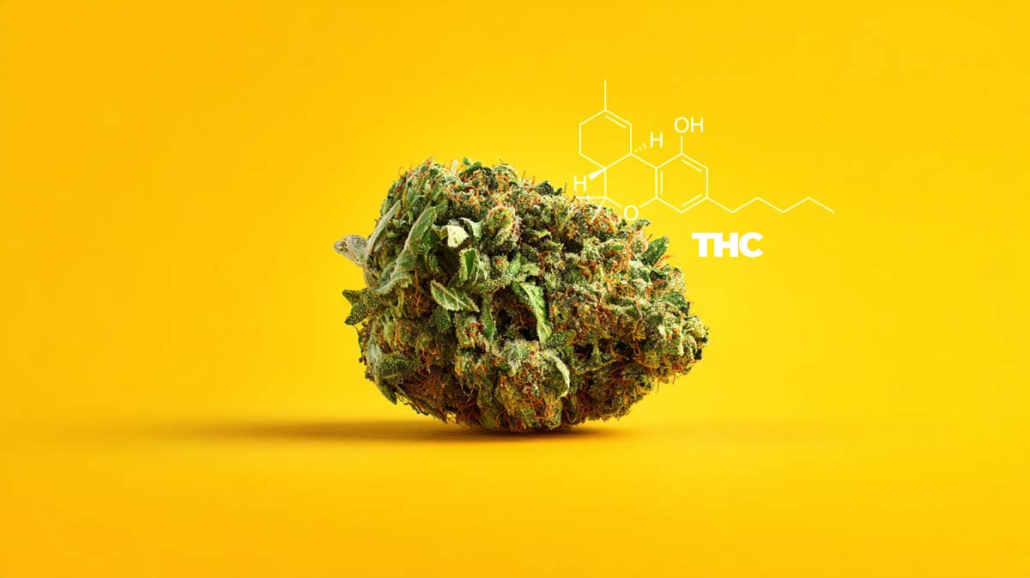
Cannabis refers to the flowering plant Cannabis sativa, which contains over 100 identified cannabinoids. The most well-known are tetrahydrocannabinol (THC), responsible for psychoactive effects, and cannabidiol (CBD), known for its therapeutic potential without causing a “high.”
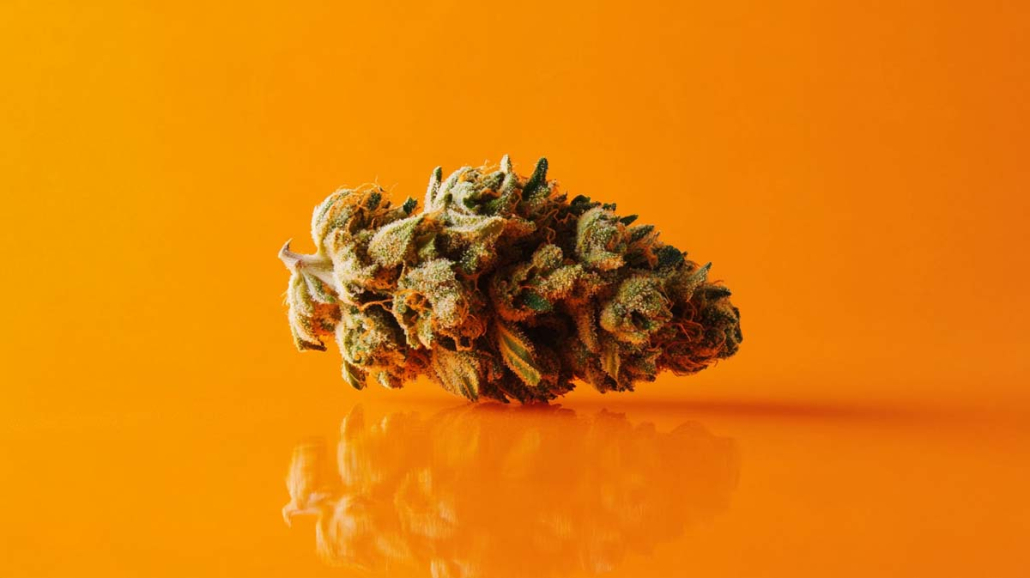
In the UK, cannabis typically refers to the dried flowers and leaves of the plant. When consumed, users experience effects ranging from relaxation to heightened sensory perception, depending on the strain’s cannabinoid profile. The potency of cannabis has increased significantly over recent decades, with modern cultivars containing THC levels between 15-25%, compared to 3-4% in the 1990s.
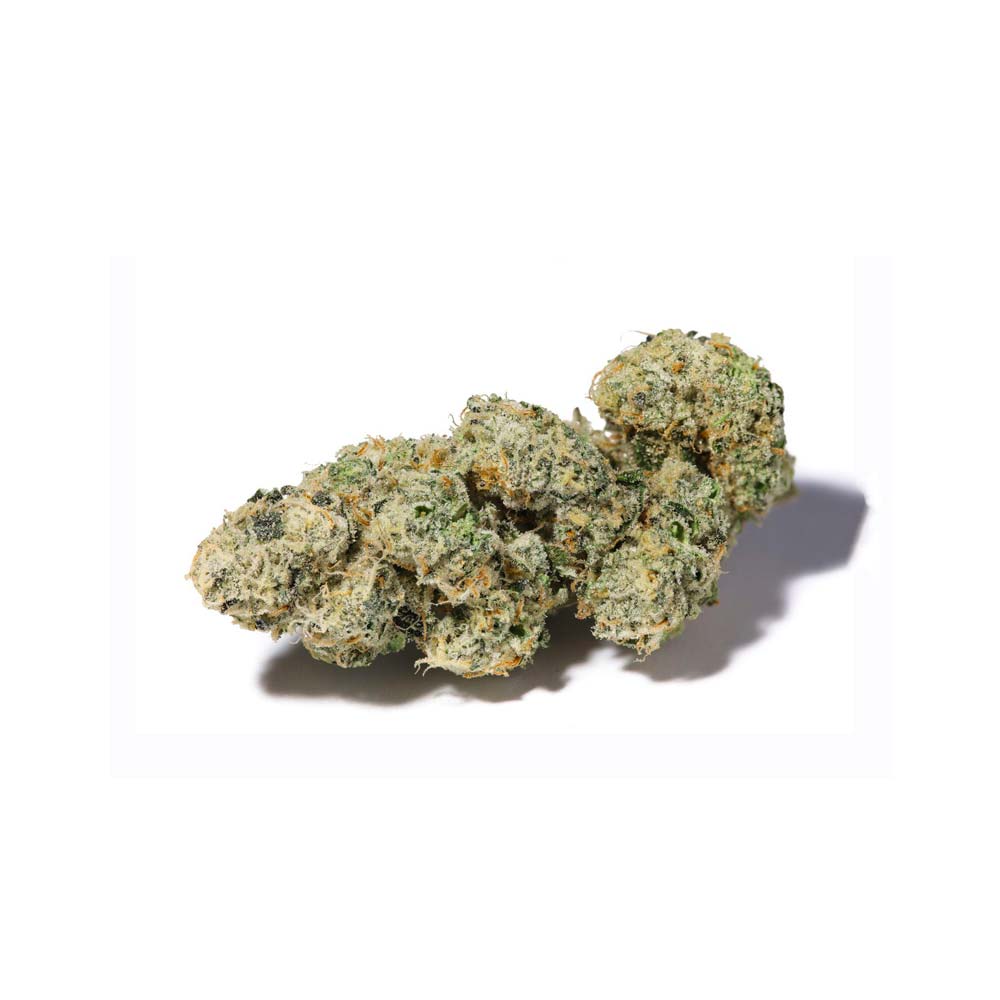
Hash, or hashish, is a concentrated product made by extracting resin from cannabis flowers. This resin contains the cannabinoids and terpenes responsible for the plant’s effects. Hash is produced by pressing or collecting the trichomes (crystalline structures) that coat the cannabis plant, resulting in a much more potent product than dried flower.
Hash typically contains 20-60% THC, making it significantly stronger than standard cannabis flower. Its appearance varies from pale blonde to dark brown, depending on the extraction method and plant material used. Hash is traditionally consumed by smoking, vaping, or adding to food products.
Key Differences Between Hash and Cannabis
Potency and Concentration: This represents the most significant difference. Hash is a concentrated product containing substantially higher cannabinoid levels per gram than dried cannabis flower. A small amount of hash delivers effects equivalent to considerably larger quantities of dried cannabis.
Preparation and Processing: Cannabis flower requires no processing before consumption, whilst hash undergoes extraction and concentration procedures. This processing removes plant material, leaving behind the resinous compounds users seek.
Consumption Methods: Cannabis flower is typically smoked in joints, pipes, or water pipes. Hash can be smoked, vaporised, or incorporated into edibles, offering greater consumption flexibility.
Shelf Life and Storage: Hash’s concentrated nature and lower moisture content allow for longer storage periods without degradation, whilst dried cannabis requires careful storage conditions to maintain potency.
Cost Efficiency: Due to its concentrated nature, hash often provides better value, though prices vary significantly based on quality and legal status in your region.
Legal Status in the UK
Both cannabis and hash remain controlled substances in the United Kingdom. Cannabis is classified as a Schedule I drug under the Misuse of Drugs Act 1971, meaning possession, distribution, and cultivation are illegal for recreational purposes.
However, significant changes occurred in 2018 when medical cannabis became accessible through prescription for specific conditions. The NHS can now prescribe cannabis-derived medicinal products like Sativex and Epidiolex for appropriate patients, including those with epilepsy, multiple sclerosis, and chronic pain conditions.
According to 2026 data, approximately 50,000 UK patients have accessed medical cannabis prescriptions through private clinics, though NHS prescriptions remain limited. Possession of either cannabis or hash for non-medical purposes remains a criminal offence, with penalties ranging from warnings and fines to imprisonment depending on quantity and circumstances.
Effects and Impact on Users
Cannabis Flower Effects: Users typically experience relaxation, altered perception, and improved mood within 15-30 minutes of smoking. Effects last 2-4 hours depending on consumption method and individual tolerance. Lower potency allows for more controlled experiences compared to concentrated products.
Hash Effects: Due to higher THC concentration, effects are notably more intense and rapid. Users report stronger psychoactive effects, which may include anxiety or paranoia in sensitive individuals. Effects persist longer, typically 3-6 hours, requiring careful dosing for inexperienced users.
Medical Applications: Both forms show therapeutic potential for conditions including chronic pain, epilepsy, multiple sclerosis, and chemotherapy-induced nausea. CBD-rich products offer benefits without significant psychoactive effects, making them suitable for medical use.
Cannabinoid Content Comparison
Analysis of UK cannabis products reveals varying cannabinoid profiles. Standard cannabis flower typically contains 10-20% THC and 0.5-3% CBD. Premium or modern strains may reach 25% THC or higher. Hashish averages 30-50% THC, with some products exceeding 60%.
Hash produced from CBD-rich plants offers medical benefits without intoxication, making it increasingly popular among medical cannabis users seeking concentrated doses without psychoactive effects.
Safety Considerations
Users should understand that both products carry risks. Regular cannabis use may impact memory, motivation, and mental health, particularly in young people whose brains are still developing. The increased potency of modern products heightens these risks.
Hash’s concentrated nature demands careful dosing. First-time users should start with minimal amounts, as overconsumption can cause anxiety, paranoia, or panic attacks. Consuming hash through vaping rather than smoking reduces respiratory health risks associated with combustion.
For medical users, consulting healthcare professionals ensures appropriate product selection and dosing protocols tailored to individual conditions and existing medications.
Key Takeaways
Hash and cannabis represent different forms of the same plant with distinct characteristics. Cannabis flower offers lower potency and easier dose control, whilst hash provides concentrated cannabinoids suitable for experienced users or medical applications requiring precise dosing. Both remain illegal for recreational use in the UK, though medical access has expanded considerably since 2018.
Whether considering medical use or understanding current drug policy, recognising these differences enables informed decision-making and responsible engagement with cannabis and its derivatives in the UK context.
Medical Disclaimer: The information on this page is for educational purposes only and does not constitute medical advice. Always consult a licensed healthcare professional before starting any new treatment.
https://cannazen.co.uk/wp-content/uploads/2026/01/cosmic-mac-cannabis-doctor-prescription-pharmacy-shop-blute.jpg10001000CannaZen UK Editorial Teamhttps://cannazen.co.uk/wp-content/uploads/2026/01/cannazen-shop-lieferung-cannabis-weed-hemp-online.svgCannaZen UK Editorial Team2026-05-14 20:41:362026-05-23 10:53:39Hash vs Cannabis UK – Difference, Legal Status, Effects
We may request cookies to be set on your device. We use cookies to let us know when you visit our websites, how you interact with us, to enrich your user experience, and to customize your relationship with our website.
Click on the different category headings to find out more. You can also change some of your preferences. Note that blocking some types of cookies may impact your experience on our websites and the services we are able to offer.
Essential Website Cookies
These cookies are strictly necessary to provide you with services available through our website and to use some of its features.
Because these cookies are strictly necessary to deliver the website, refusing them will have impact how our site functions. You always can block or delete cookies by changing your browser settings and force blocking all cookies on this website. But this will always prompt you to accept/refuse cookies when revisiting our site.
We fully respect if you want to refuse cookies but to avoid asking you again and again kindly allow us to store a cookie for that. You are free to opt out any time or opt in for other cookies to get a better experience. If you refuse cookies we will remove all set cookies in our domain.
We provide you with a list of stored cookies on your computer in our domain so you can check what we stored. Due to security reasons we are not able to show or modify cookies from other domains. You can check these in your browser security settings.
Google Analytics Cookies
These cookies collect information that is used either in aggregate form to help us understand how our website is being used or how effective our marketing campaigns are, or to help us customize our website and application for you in order to enhance your experience.
If you do not want that we track your visit to our site you can disable tracking in your browser here:
Other external services
We also use different external services like Google Webfonts, Google Maps, and external Video providers. Since these providers may collect personal data like your IP address we allow you to block them here. Please be aware that this might heavily reduce the functionality and appearance of our site. Changes will take effect once you reload the page.
Google Webfont Settings:
Google Map Settings:
Google reCaptcha Settings:
Vimeo and Youtube video embeds:
Other cookies
The following cookies are also needed - You can choose if you want to allow them:
Privacy Policy
You can read about our cookies and privacy settings in detail on our Privacy Policy Page.