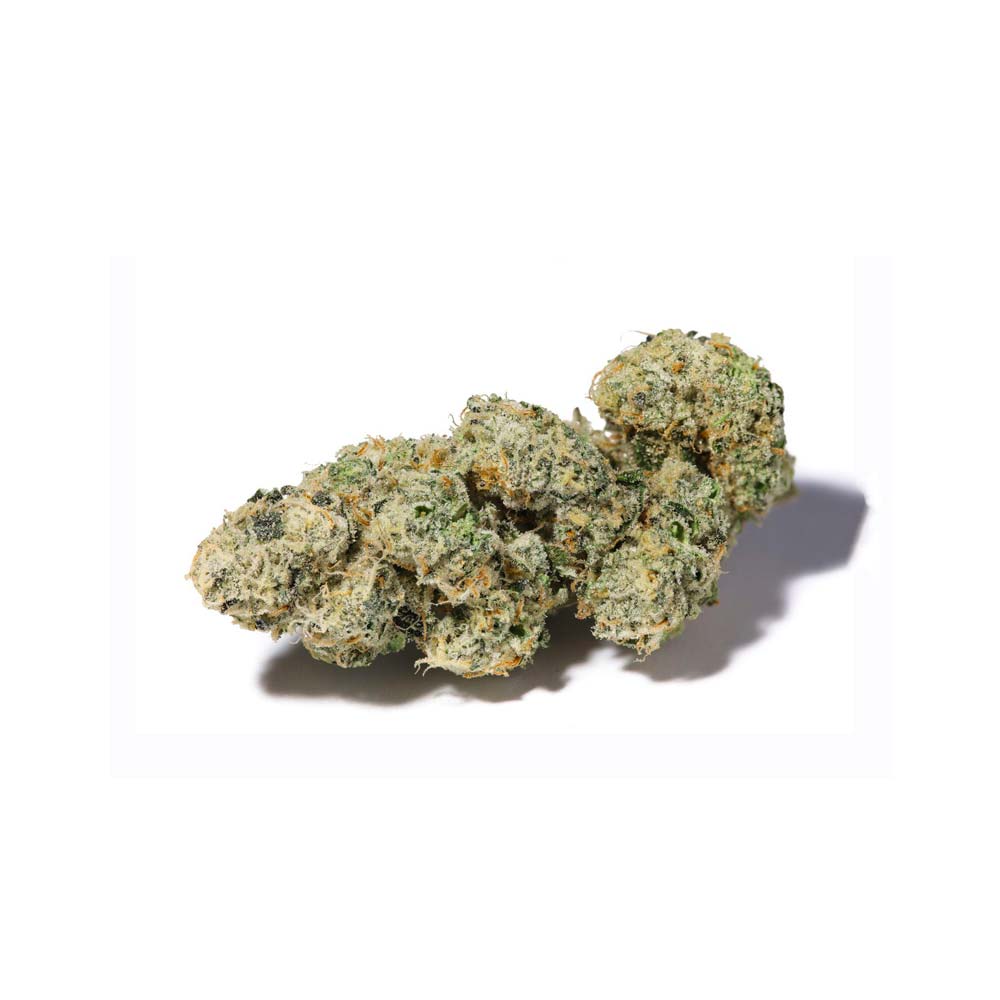
Cannabis Cannabinoids UK Explained – THC, CBD, CBG, CBN
Cannabis Cannabinoids: A Comprehensive Guide for UK Patients
Important Note: This guide is for educational purposes only. Cannabis-based products for medicinal use in the UK are only available through prescription from specialist doctors. Always consult with your healthcare provider before using any cannabis-derived products.
Introduction to Cannabinoids
Cannabis contains over 100 chemical compounds known as cannabinoids. These naturally occurring molecules interact with the human body’s endocannabinoid system, which regulates various physiological processes. Understanding the different cannabinoids is essential for UK patients considering medical cannabis treatments, as the therapeutic effects vary significantly depending on which compounds are present and in what concentrations.
Tetrahydrocannabinol is the primary psychoactive compound in cannabis, responsible for the “high” associated with recreational use. However, THC also possesses therapeutic properties relevant to medical applications.
Therapeutic Properties:
Pain relief and analgesia
Anti-nausea and appetite stimulation
Muscle relaxation
Sleep improvement
Anti-inflammatory effects
In UK medical settings, THC-containing products are prescribed under strict conditions, typically when other treatments have proven ineffective. The psychoactive effects can be a consideration for some patients.
CBD – Cannabidiol
Cannabidiol is the second most abundant cannabinoid and does not produce psychoactive effects. It has gained significant attention for its potential therapeutic applications and is the most researched non-intoxicating cannabinoid.
Therapeutic Properties:
Anxiety and stress reduction
Anti-seizure properties (particularly for epilepsy)
Anti-inflammatory effects
Pain management
Sleep improvement
Potential neuroprotective properties
CBD products have become increasingly available in the UK, with some CBD-only medications approved for medical use, such as Epidyolex for certain types of epilepsy.
CBG – Cannabigerol
Often called the “mother cannabinoid,” CBG is the precursor from which other cannabinoids are synthesised during plant growth. It is typically found in lower concentrations but shows promising therapeutic potential.
Research into CBG remains ongoing, with early studies suggesting it may have unique benefits distinct from both THC and CBD.
CBN – Cannabinol
Cannabinol is produced when THC ages or is exposed to heat and light. It is mildly psychoactive but less so than THC. CBN is thought to develop in cannabis as the plant ages.
Therapeutic Properties:
Sedative effects (particularly useful for sleep)
Pain relief
Anti-inflammatory properties
Appetite stimulation
Potential antibacterial effects
CBN is of particular interest for patients seeking sleep support and is often found in higher concentrations in aged cannabis flower.
THCA – Tetrahydrocannabinolic Acid
THCA is the raw, unheated precursor to THC. In its acidic form, it does not produce psychoactive effects. When cannabis is heated (a process called decarboxylation), THCA converts to THC.
Therapeutic Properties:
Anti-inflammatory effects
Neuroprotective potential
Anti-nausea properties
Appetite stimulation
Raw cannabis products containing THCA offer therapeutic benefits without the psychoactive effects of THC, though research is still developing in this area.
CBDA – Cannabidiolic Acid
CBDA is the raw precursor to CBD and is found in fresh, unheated cannabis. Like THCA, it converts to CBD when heated. CBDA is beginning to receive research attention for its own distinct properties.
Therapeutic Properties:
Anti-nausea effects (potentially stronger than CBD)
Anti-inflammatory properties
Anxiety reduction
Potential pain relief
Early research suggests CBDA may have advantages over CBD for certain conditions, though clinical evidence is still limited.
How Cannabinoids Interact
Cannabinoids do not work in isolation. They interact with each other and with other plant compounds in complex ways that influence their overall therapeutic effects. Understanding these interactions is crucial for effective medical use.
Direct Interactions
Different cannabinoids can modulate each other’s effects. For example, CBD can reduce the psychoactive intensity of THC, making THC-containing products more tolerable for some patients. Similarly, certain cannabinoids may enhance each other’s therapeutic properties for specific conditions.
The Endocannabinoid System
Cannabinoids work by interacting with cannabinoid receptors (CB1 and CB2) throughout the body and brain. Different cannabinoids have varying affinities for these receptors, resulting in different physiological effects. THC primarily binds to CB1 receptors in the brain, whilst CBD has more subtle interactions with multiple receptor systems.
The Entourage Effect
The “entourage effect” refers to the synergistic interaction between multiple cannabis compounds—cannabinoids, terpenes, and other molecules—that work together to produce enhanced therapeutic effects beyond what any single compound could achieve alone.
What This Means
A whole-plant or full-spectrum cannabis product containing multiple cannabinoids and terpenes may be more therapeutically effective than an isolated single cannabinoid. For instance, a product containing both THC and CBD may provide better pain relief and reduced anxiety than THC alone, due to CBD’s moderating effects on THC.
Terpenes and the Entourage Effect
Cannabis also contains aromatic compounds called terpenes (such as myrcene, limonene, and pinene) that contribute to the plant’s effects. These terpenes may enhance cannabinoid absorption, modulate receptor binding, and contribute their own therapeutic properties. This is why whole-plant products may differ significantly from isolated cannabinoid preparations.
Clinical Implications for UK Patients
When considering cannabis-based products, UK patients should discuss with their specialist whether full-spectrum products or isolated cannabinoid preparations would be most suitable for their specific condition. Individual responses vary significantly, and the entourage effect demonstrates why standardised doses of single compounds may not suit everyone.
Implications for UK Medical Practice
In the UK, specialist doctors prescribing cannabis-based products must carefully consider which cannabinoids are most appropriate for each patient’s condition. Current approved products include those with specific ratios and cannabinoid profiles tailored to particular medical applications.
The ratio of cannabinoids matters significantly. Products might contain equal parts THC and CBD, CBD-dominant formulations, THC-dominant preparations, or others depending on the target condition and patient factors such as tolerance and previous treatment responses.
Conclusion
Understanding cannabis cannabinoids is essential for UK patients exploring medical cannabis options. Each cannabinoid offers distinct therapeutic properties, and their interactions—particularly the entourage effect—suggest that whole-plant preparations may offer advantages over isolated compounds. However, individual responses vary considerably. Always work closely with your specialist to determine the most appropriate cannabinoid profile and product for your specific medical needs. The field of cannabis medicine continues to evolve, with ongoing research refining our understanding of optimal therapeutic applications.
Medical Disclaimer: The information on this page is for educational purposes only and does not constitute medical advice. Always consult a licensed healthcare professional before starting any new treatment.
We may request cookies to be set on your device. We use cookies to let us know when you visit our websites, how you interact with us, to enrich your user experience, and to customize your relationship with our website.
Click on the different category headings to find out more. You can also change some of your preferences. Note that blocking some types of cookies may impact your experience on our websites and the services we are able to offer.
Essential Website Cookies
These cookies are strictly necessary to provide you with services available through our website and to use some of its features.
Because these cookies are strictly necessary to deliver the website, refusing them will have impact how our site functions. You always can block or delete cookies by changing your browser settings and force blocking all cookies on this website. But this will always prompt you to accept/refuse cookies when revisiting our site.
We fully respect if you want to refuse cookies but to avoid asking you again and again kindly allow us to store a cookie for that. You are free to opt out any time or opt in for other cookies to get a better experience. If you refuse cookies we will remove all set cookies in our domain.
We provide you with a list of stored cookies on your computer in our domain so you can check what we stored. Due to security reasons we are not able to show or modify cookies from other domains. You can check these in your browser security settings.
Google Analytics Cookies
These cookies collect information that is used either in aggregate form to help us understand how our website is being used or how effective our marketing campaigns are, or to help us customize our website and application for you in order to enhance your experience.
If you do not want that we track your visit to our site you can disable tracking in your browser here:
Other external services
We also use different external services like Google Webfonts, Google Maps, and external Video providers. Since these providers may collect personal data like your IP address we allow you to block them here. Please be aware that this might heavily reduce the functionality and appearance of our site. Changes will take effect once you reload the page.
Google Webfont Settings:
Google Map Settings:
Google reCaptcha Settings:
Vimeo and Youtube video embeds:
Other cookies
The following cookies are also needed - You can choose if you want to allow them:
Privacy Policy
You can read about our cookies and privacy settings in detail on our Privacy Policy Page.