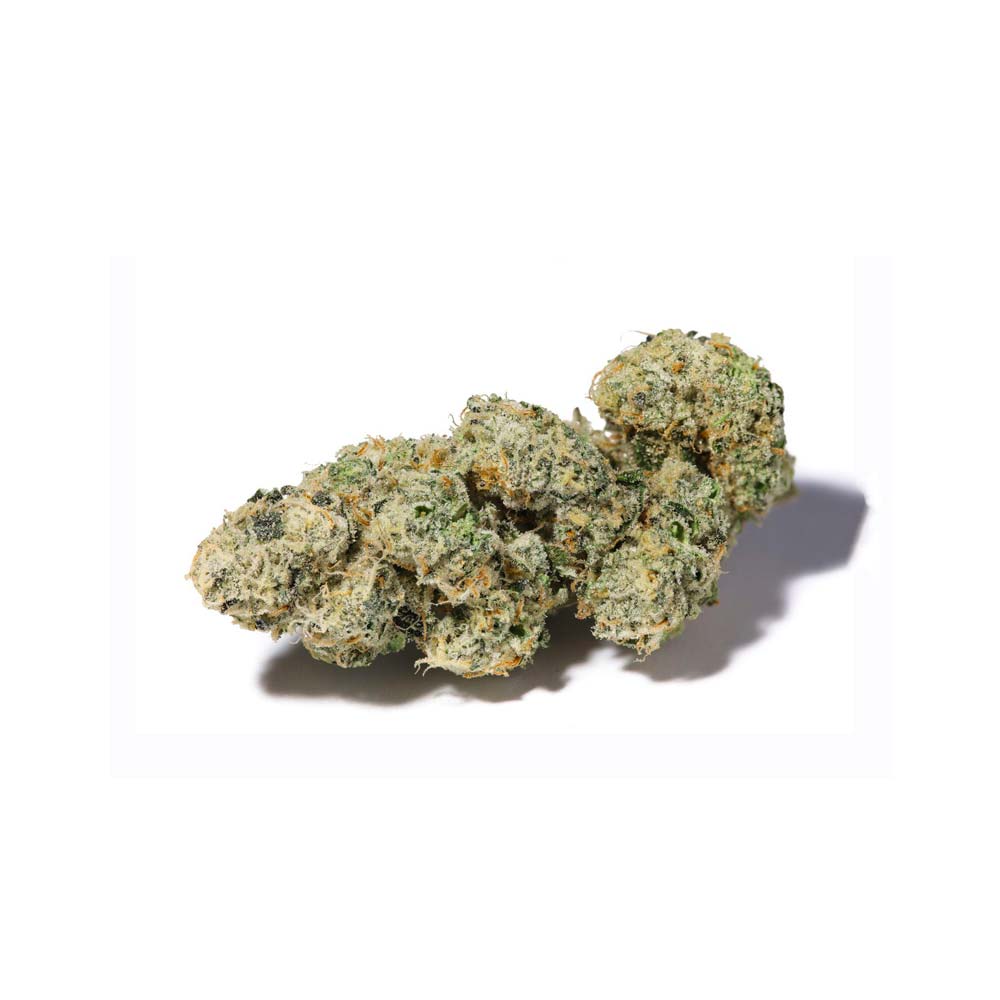
High CBD Cannabis Strains UK — Low THC Medical Guide
High CBD Cannabis Strains UK — Low THC Medical Guide
The United Kingdom has witnessed a significant shift in the medical cannabis landscape over recent years. High CBD strains UK have emerged as a focal point for patients seeking therapeutic benefits without the intoxicating effects associated with higher THC content. This comprehensive guide explores the most effective low THC medical cannabis varieties available to UK patients, their properties, and practical information for informed decision-making.
Understanding CBD and THC in Medical Cannabis
Cannabidiol (CBD) and tetrahydrocannabinol (THC) are the two primary cannabinoids found in cannabis plants. CBD is non-intoxicating and has garnered considerable scientific attention for its therapeutic properties, whilst THC is the psychoactive compound responsible for the “high” associated with recreational cannabis use.
Medical research has demonstrated that CBD possesses anti-inflammatory, anxiolytic, and anticonvulsant properties. According to research published by the National Institute for Health and Care Excellence (NICE), CBD-based treatments show promise for certain medical conditions. High CBD strains UK typically contain CBD levels ranging from 10% to 20%, with minimal THC content below 1%.
The UK cannabis market has expanded to include several well-established high CBD strains. Charlotte’s Web remains one of the most recognised medical strains, originally developed to help children with severe epilepsy. It typically contains 17% CBD and less than 1% THC.
Harlequin is another popular choice amongst UK patients, offering a balanced CBD-to-THC ratio of approximately 5:2. This strain provides therapeutic benefits whilst maintaining mental clarity. Additionally, Cannatonic has gained recognition for its consistent 6:1 CBD-to-THC ratio, making it suitable for daytime use.
Sour Tsunami and Ringo’s Gift represent excellent options for patients seeking high CBD content with minimal psychoactive effects. Both strains contain CBD levels between 10-15%, positioning them favourably for medical applications across various conditions.
Legal Status of High CBD Cannabis in the United Kingdom
The legal landscape for medical cannabis in the UK underwent significant changes in November 2018, when the government reclassified cannabis-based products for medicinal use. High CBD strains UK can now be prescribed by specialist doctors for specific medical conditions, including:
Epilepsy, particularly in children with drug-resistant seizures
Multiple sclerosis-related muscle spasticity
Chronic pain conditions
Severe nausea from chemotherapy
However, access remains restricted. Patients must obtain prescriptions from licensed hospital specialists, typically neurologists, oncologists, or pain management specialists. The NHS provides limited prescriptions, with most patients accessing medical cannabis through private clinics and specialist pharmacies.
Medical Benefits of High CBD Strains
Clinical research supports multiple therapeutic applications for high CBD strains. Studies indicate that CBD may reduce seizure frequency in epilepsy patients, with some cases showing up to 50% reduction in seizure occurrence. The epilepsy community has particularly benefited from FDA-approved Epidyolex, a pharmaceutical-grade CBD product.
Furthermore, research demonstrates CBD’s potential for managing anxiety disorders, chronic pain, and inflammation. A 2020 review published in Frontiers in Neurology highlighted CBD’s efficacy for neurological conditions. Patients report improved sleep quality, reduced anxiety levels, and enhanced pain management when using appropriately dosed high CBD products.
The anti-inflammatory properties of CBD make high CBD strains particularly valuable for patients with autoimmune conditions, arthritis, and inflammatory bowel diseases. Unlike THC-dominant strains, high CBD varieties do not impair cognitive function, allowing patients to maintain productivity throughout their day.
Choosing the Right High CBD Strain for Your Needs
Selecting appropriate high CBD strains UK requires consideration of multiple factors. Individual patient needs, existing medications, and specific medical conditions should guide selection. Patients should consult healthcare providers about potential drug interactions, as CBD can affect cytochrome P450 enzymes involved in medication metabolism.
Beginner patients should commence with lower doses, typically 5-10mg of CBD daily, gradually increasing as tolerated. This titration approach minimises potential side effects and allows patients to identify optimal therapeutic dosing. Some individuals respond effectively to lower doses, whilst others require higher amounts for symptomatic relief.
The strain’s terpene profile—its aromatic compounds—significantly influences therapeutic effects. Strains containing myrcene promote relaxation, whilst pinene-dominant varieties enhance focus and mental clarity. Consulting patient testimonials and medical literature helps identify strains matching individual requirements.
Sourcing High CBD Products in the UK
Legal access to high CBD strains UK occurs through several channels. Specialist best UK cannabis clinics such as Sapphire Medical, Medical best UK cannabis clinics UK, and others provide consultations leading to private prescriptions. Once prescribed, pharmacies dispensing medical cannabis ensure product quality, consistent cannabinoid profiles, and safety testing.
Prices for medical cannabis products in the UK typically range from £5 to £12 per gram, translating to approximately £150-£600 monthly depending on dosage requirements. Some patients report improved affordability through accessing NHS prescriptions, though availability remains limited.
Alternatively, some UK patients investigate legal CBD isolate products available without prescription. These contain pure CBD without THC, offering accessibility for individuals unable to access medical cannabis prescriptions. However, full-spectrum products containing multiple cannabinoids often demonstrate superior therapeutic effects through the entourage effect.
Potential Side Effects and Considerations
High CBD strains UK generally exhibit excellent safety profiles. Common side effects remain minimal, with some patients reporting dry mouth, fatigue, or appetite changes. These effects typically diminish with continued use or dose adjustment.
Drug interactions warrant consideration, particularly for patients taking medications metabolised through the cytochrome P450 system, including warfarin, clobazam, and certain anticonvulsants. Medical supervision ensures safe concurrent use.
Pregnant and breastfeeding women should avoid cannabis products, as research regarding foetal and infant effects remains inconclusive. Additionally, individuals with personal or family histories of psychotic disorders should exercise caution, though high CBD strains carry minimal psychotic risk compared to THC-dominant varieties.
The Future of High CBD Cannabis in the UK
The medical cannabis sector in the United Kingdom continues expanding. Increased research funding, improved prescription accessibility, and potential NHS integration promise broader patient access to high CBD strains. Ongoing clinical trials investigate additional therapeutic applications, potentially expanding treatment options for various conditions.
The evolving regulatory landscape suggests increasing standardisation of products, enhanced quality assurance, and potentially reduced costs as the market matures.
Conclusion
High CBD strains UK represent a transformative option for patients seeking effective medical cannabis treatment with minimal intoxicating effects. Through understanding available strains, legal requirements, and therapeutic properties, UK patients can make informed decisions about incorporating medical cannabis into their treatment regimens. Consulting with specialist healthcare providers ensures safe, effective use of high CBD cannabis for improved health outcomes.
Medical Disclaimer: The information on this page is for educational purposes only and does not constitute medical advice. Always consult a licensed healthcare professional before starting any new treatment.
https://cannazen.co.uk/wp-content/uploads/2026/01/cosmic-mac-cannabis-doctor-prescription-pharmacy-shop-blute.jpg10001000CannaZen UK Editorial Teamhttps://cannazen.co.uk/wp-content/uploads/2026/01/cannazen-shop-lieferung-cannabis-weed-hemp-online.svgCannaZen UK Editorial Team2026-05-14 20:29:332026-05-23 10:44:04High CBD Cannabis Strains UK — Low THC Medical Guide
High CBD Cannabis Strains UK — Low THC Medical Guide
High CBD Cannabis Strains UK — Low THC Medical Guide
The United Kingdom has witnessed a significant shift in cannabis legislation over recent years, particularly concerning medical cannabis access. High CBD cannabis strains have emerged as a preferred option for patients seeking therapeutic benefits without the intense psychoactive effects associated with THC-dominant varieties. This comprehensive guide explores the landscape of high CBD strains available to UK residents, their medical applications, and legal frameworks governing their use.
Understanding CBD and THC in Medical Cannabis
Cannabidiol (CBD) and tetrahydrocannabinol (THC) represent two primary cannabinoids found in cannabis plants. Whilst THC produces the characteristic “high,” CBD operates through different mechanisms in the body, offering potential therapeutic benefits without significant intoxication.
Research published in recent years indicates that approximately 70-80% of patients seeking medical cannabis prefer high CBD strains. The ratio between CBD and THC significantly influences the overall effect profile. High CBD strains typically contain CBD levels ranging from 10-20%, with THC levels below 1-5%, making them suitable for daytime use and patients concerned about cognitive impairment.
The entourage effect—whereby cannabinoids work synergistically with terpenes and other compounds—suggests that full-spectrum products containing both CBD and trace amounts of THC may offer enhanced therapeutic potential compared to CBD isolates alone.
Following a pivotal decision in November 2018, medical cannabis became legal in the United Kingdom under controlled circumstances. However, access remains strictly regulated through the NHS and private prescription routes.
High CBD strains with THC levels below specified thresholds present fewer regulatory hurdles than THC-dominant varieties. The Misuse of Drugs Act 1971 still classifies cannabis as a Schedule 1 drug, though medical exceptions exist for products meeting pharmaceutical standards.
Currently, only a limited number of cannabis-based medicinal products receive approval for NHS prescription. Patients seeking high CBD strains often pursue private prescription routes through registered clinics, where costs typically range from £200-£400 per month. This legal framework remains evolving, with advocacy groups pushing for expanded NHS access.
Popular High CBD Strains Available in the UK Market
Several high CBD strains have gained prominence among UK patients and healthcare practitioners. Charlotte’s Web represents one of the most recognised globally, featuring approximately 13-16% CBD with minimal THC. Originally developed for paediatric epilepsy management, this strain delivers consistent, reliable effects.
Harlequin offers a balanced profile with CBD to THC ratios often exceeding 5:1, producing mild, manageable effects alongside therapeutic benefits. AC/DC strains typically present 20:1 CBD to THC ratios, making them exceptionally suitable for patients requiring maximum CBD dosing with negligible psychoactive impact.
Cannatonic delivers approximately 6-17% CBD with similarly low THC levels, whilst Sour Tsunami represents another reliable option for patients seeking consistent cannabinoid profiles. UK-based private clinics frequently stock these varieties in standardised, pharmaceutical-grade formats.
Medical Applications and Therapeutic Benefits
Research increasingly supports high CBD strains for various medical conditions. Epilepsy management represents perhaps the most established application, with Epidyolex (a CBD-based pharmaceutical) receiving FDA and European regulatory approval for specific seizure disorders. UK clinicians frequently prescribe high CBD strains off-label for similar indications, with patient reports indicating seizure reduction ranging from 25-50% in many cases.
Chronic pain management represents another significant application area. Studies suggest CBD’s anti-inflammatory and analgesic properties benefit patients with conditions including arthritis, neuropathic pain, and fibromyalgia. Anxiety and depression also show promising outcomes, with research indicating CBD’s potential as an anxiolytic agent comparable to conventional treatments in some instances.
Neurological conditions including multiple sclerosis, Parkinson’s disease, and post-traumatic stress disorder demonstrate potential responsiveness to high CBD treatment protocols. Additionally, sleep disturbances, inflammation-related conditions, and chemotherapy-related side effects represent emerging application areas supported by preliminary clinical evidence.
The National Institute for Health and Care Excellence (NICE) currently acknowledges insufficient evidence for routine NHS commissioning of cannabis-based products, though individual clinical assessment may justify prescribing in exceptional circumstances.
Accessing High CBD Strains in the UK
Patients interested in high CBD cannabis strains face several pathways. The private prescription route remains most accessible, with clinics such as Dispensaries of London, Sapphire, and other registered providers offering consultations with doctors specialising in cannabis therapeutics. Initial consultations typically cost £150-£300, with subsequent follow-ups at reduced rates.
Private prescription holders may legally purchase products from registered pharmacies, with costs varying considerably based on strain selection, potency, and format. Oils, dried flower, and other delivery methods offer different cost-benefit profiles depending on individual preferences and medical requirements.
Some patients explore NHS pathways through specialist services in certain NHS trusts, though availability remains extremely limited. Demonstrating previous treatment failures with conventional medications significantly strengthens applications for NHS-funded access.
Dosing and Administration Considerations
High CBD strains offer considerable flexibility regarding dosing protocols. CBD bioavailability varies significantly depending on administration method—inhalation provides rapid onset (15-30 minutes) with shorter duration, whilst oral consumption produces slower onset (60-90 minutes) but longer effects (4-8 hours).
Most patients initiate with conservative doses of 10-20mg daily CBD, gradually titrating upwards based on tolerance and therapeutic response. Optimal therapeutic doses typically range from 40-160mg daily, though some conditions benefit from higher dosing protocols approaching 300mg daily.
Unlike THC, CBD displays minimal dose-limiting side effects, permitting flexible escalation based on clinical outcomes. Interactions with certain medications—particularly those metabolised through cytochrome P450 pathways—warrant careful monitoring with healthcare professionals.
Safety Profile and Side Effects
High CBD strains demonstrate exceptional safety profiles. The World Health Organisation classifies CBD as non-intoxicating and non-addictive, with minimal adverse effects at therapeutic doses. Reported side effects remain rare and typically mild, including drowsiness, appetite changes, and gastrointestinal symptoms.
The extremely low THC content minimises risks of psychological adverse effects, dependency, or impaired driving capabilities. This safety profile makes high CBD strains particularly suitable for elderly patients, those with psychiatric vulnerabilities, and individuals occupying safety-sensitive roles.
Quality assurance represents a critical consideration when sourcing high CBD products. Products obtained through legitimate UK prescription channels undergo laboratory testing verifying cannabinoid content, whilst unregulated sources offer no such guarantees.
Future Outlook and Ongoing Developments
The UK cannabis landscape continues evolving, with increasing clinical research, patient advocacy, and policy discussions potentially expanding access routes. Several NHS trusts actively conduct clinical trials investigating cannabis-based products for specific indications, potentially influencing future commissioning decisions.
Technological advances in cultivation and standardisation promise improved consistency, potency control, and cost reduction. Enhanced public education and healthcare provider training may accelerate integration of high CBD strains into mainstream therapeutic protocols.
High CBD cannabis strains represent a transformative option for UK patients seeking evidence-based, natural therapeutic approaches. Through informed decision-making, professional medical guidance, and engagement with legitimate prescription pathways, patients can safely explore these compounds’ considerable therapeutic potential whilst remaining within established legal frameworks.
“`
Medical Disclaimer: The information on this page is for educational purposes only and does not constitute medical advice. Always consult a licensed healthcare professional before starting any new treatment.
https://cannazen.co.uk/wp-content/uploads/2026/01/cosmic-mac-cannabis-doctor-prescription-pharmacy-shop-blute.jpg10001000CannaZen UK Editorial Teamhttps://cannazen.co.uk/wp-content/uploads/2026/01/cannazen-shop-lieferung-cannabis-weed-hemp-online.svgCannaZen UK Editorial Team2026-05-14 20:29:242026-05-15 18:52:18High CBD Cannabis Strains UK — Low THC Medical Guide
We may request cookies to be set on your device. We use cookies to let us know when you visit our websites, how you interact with us, to enrich your user experience, and to customize your relationship with our website.
Click on the different category headings to find out more. You can also change some of your preferences. Note that blocking some types of cookies may impact your experience on our websites and the services we are able to offer.
Essential Website Cookies
These cookies are strictly necessary to provide you with services available through our website and to use some of its features.
Because these cookies are strictly necessary to deliver the website, refusing them will have impact how our site functions. You always can block or delete cookies by changing your browser settings and force blocking all cookies on this website. But this will always prompt you to accept/refuse cookies when revisiting our site.
We fully respect if you want to refuse cookies but to avoid asking you again and again kindly allow us to store a cookie for that. You are free to opt out any time or opt in for other cookies to get a better experience. If you refuse cookies we will remove all set cookies in our domain.
We provide you with a list of stored cookies on your computer in our domain so you can check what we stored. Due to security reasons we are not able to show or modify cookies from other domains. You can check these in your browser security settings.
Google Analytics Cookies
These cookies collect information that is used either in aggregate form to help us understand how our website is being used or how effective our marketing campaigns are, or to help us customize our website and application for you in order to enhance your experience.
If you do not want that we track your visit to our site you can disable tracking in your browser here:
Other external services
We also use different external services like Google Webfonts, Google Maps, and external Video providers. Since these providers may collect personal data like your IP address we allow you to block them here. Please be aware that this might heavily reduce the functionality and appearance of our site. Changes will take effect once you reload the page.
Google Webfont Settings:
Google Map Settings:
Google reCaptcha Settings:
Vimeo and Youtube video embeds:
Other cookies
The following cookies are also needed - You can choose if you want to allow them:
Privacy Policy
You can read about our cookies and privacy settings in detail on our Privacy Policy Page.