Pain treatment and cannabis: When cannabis changes pain (Franziska)
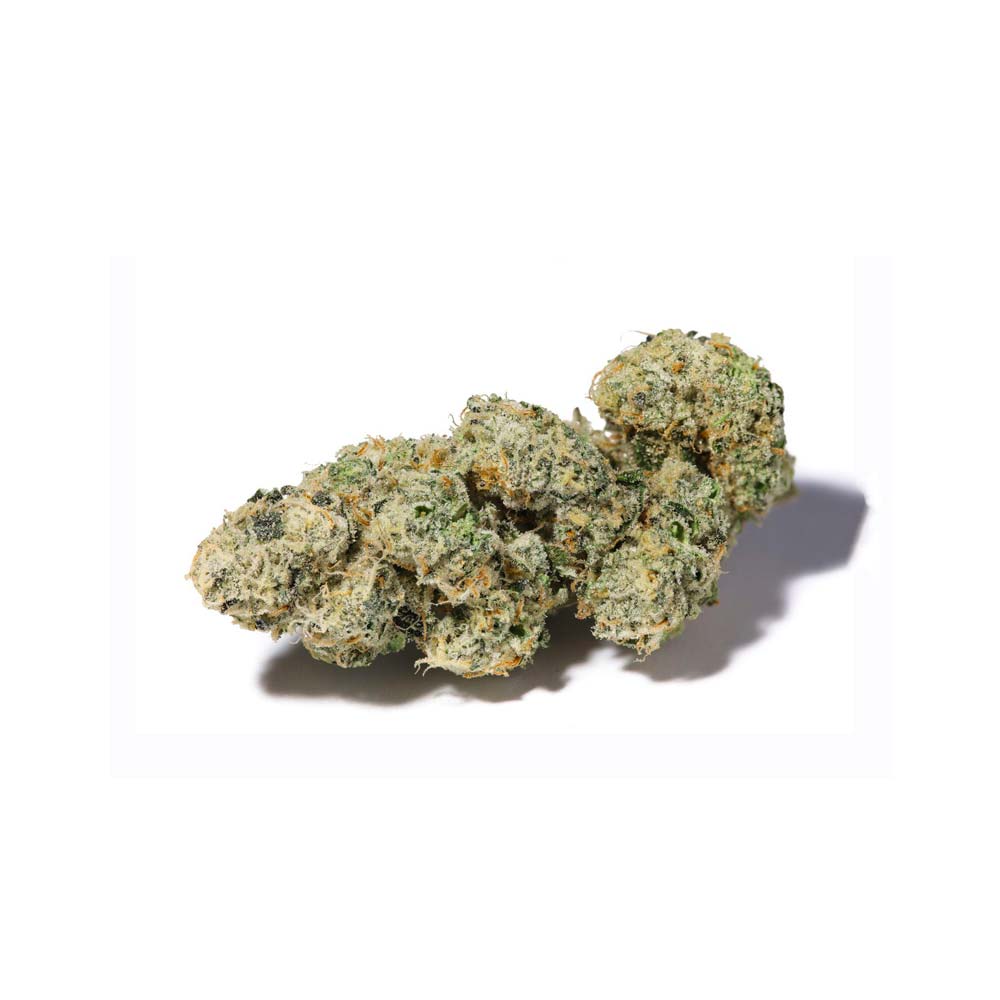
Cannabis as a painkiller – is it a miracle cure or an overrated drug? This Swiss documentary provides an in-depth look at pharmacy production, patient cases, the legal situation and medical reality. Between euphoria and disillusionment, cannabis meets both hope and skepticism. Discover more about cannabis as medicine here : Diseases.
Cannabis in the pharmacy: THC oil, tincture & special formulations
In Manfred Fankhauser ‘s Emmental pharmacy (documentary below), cannabis is not treated as a “lifestyle product”, but is processed pharmaceutically. He has been fighting for medicinal cannabis for over 30 years – and was the first Swiss person to obtain an official manufacturing license. THC is diluted there, bottled as an oil or mixed as a tincture. The aim: medicine instead of a joint.
Pure THC stored in the vault
Oil & tincture for pain patients
Individual extemporaneous preparations
Patient reports: When cannabis changes pain
A key example in the documentary is Franziska Quadri. Quadriplegia, chronic pain, muscle spasms – it was cannabis that brought her relief. She reduced her medication, found better sleep and quality of life. In Spain, she uses social clubs, receives a choice of varieties, capsules and a constant supply. Her sentence sticks: “Cannabis was actually the solution to the problem.”
Despite field reports, the study situation remains thin. Research shows that cannabis is sometimes effective for chronic nerve pain, loss of appetite, spasticity – especially in MS(field report) and chemotherapy. However, there are many cases with no effect, such as pain patient Nicolas. The effect depends on the dosage, combination of active ingredients, clinical picture and individual reaction.
Partially effective for nerve pain
Useful against loss of appetite
Contradictory study data
Endocannabinoid system: Why cannabis works in the body
Our body produces cannabinoids itself. They regulate pain, inflammation, appetite, immune response and stress(cortisol). Cannabis docks there – theoretically logical, practically complex. Not all receptors have been researched yet, mechanisms of action remain open. But: patient successes are driving research forward. Learn more about the endocannabinoid system here.
Endogenous cannabinoids
Regulation → Pain, appetite, stress
Still many unanswered questions
Costs, access & law – why many are still not supplied
Prescribable in future like any anaesthetic – but it remains expensive. Patients speak of CHF 800-2,000/month, depending on need. Many doctors feel insecure, bureaucratic hurdles remain. Those who are not fully treated → do not get a prescription. Many therefore procure illegally or via social clubs.
Very high treatment costs
Medical uncertainty when prescribing
Many turn to the black market/social clubs
Conclusion? Hope, reality or middle ground?
Cannabis is neither a miracle cure nor a zero effect. There is a broad spectrum between successes like Franziska and zero effect like Nicolas. Research is catching up, the law is making access easier – but costs, quality assurance and knowledge in the healthcare system will determine how important cannabis really becomes in the future.
Life-changing for some
Ineffective for some
Access is getting easier – not cheap
Medical Disclaimer: The information on this page is for educational purposes only and does not constitute medical advice. Always consult a licensed healthcare professional before starting any new treatment.
We may request cookies to be set on your device. We use cookies to let us know when you visit our websites, how you interact with us, to enrich your user experience, and to customize your relationship with our website.
Click on the different category headings to find out more. You can also change some of your preferences. Note that blocking some types of cookies may impact your experience on our websites and the services we are able to offer.
Essential Website Cookies
These cookies are strictly necessary to provide you with services available through our website and to use some of its features.
Because these cookies are strictly necessary to deliver the website, refusing them will have impact how our site functions. You always can block or delete cookies by changing your browser settings and force blocking all cookies on this website. But this will always prompt you to accept/refuse cookies when revisiting our site.
We fully respect if you want to refuse cookies but to avoid asking you again and again kindly allow us to store a cookie for that. You are free to opt out any time or opt in for other cookies to get a better experience. If you refuse cookies we will remove all set cookies in our domain.
We provide you with a list of stored cookies on your computer in our domain so you can check what we stored. Due to security reasons we are not able to show or modify cookies from other domains. You can check these in your browser security settings.
Google Analytics Cookies
These cookies collect information that is used either in aggregate form to help us understand how our website is being used or how effective our marketing campaigns are, or to help us customize our website and application for you in order to enhance your experience.
If you do not want that we track your visit to our site you can disable tracking in your browser here:
Other external services
We also use different external services like Google Webfonts, Google Maps, and external Video providers. Since these providers may collect personal data like your IP address we allow you to block them here. Please be aware that this might heavily reduce the functionality and appearance of our site. Changes will take effect once you reload the page.
Google Webfont Settings:
Google Map Settings:
Google reCaptcha Settings:
Vimeo and Youtube video embeds:
Other cookies
The following cookies are also needed - You can choose if you want to allow them:
Privacy Policy
You can read about our cookies and privacy settings in detail on our Privacy Policy Page.