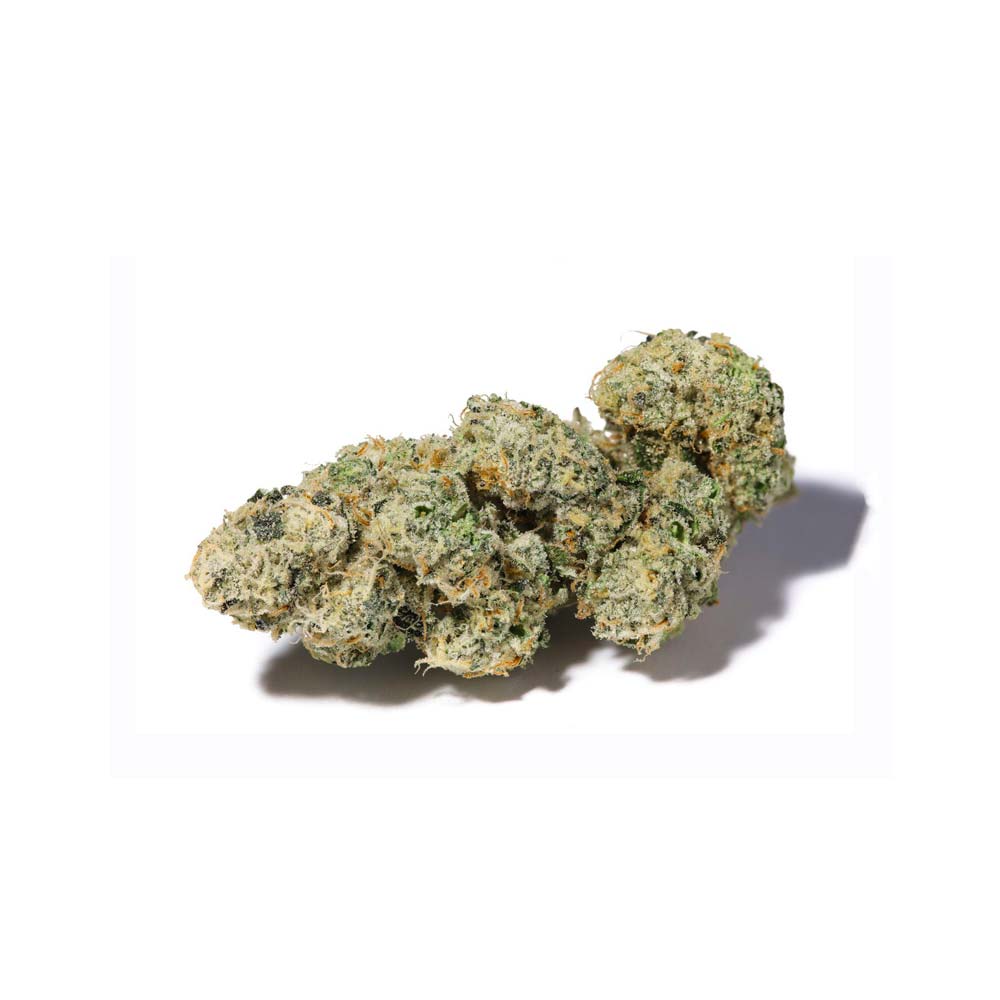
THC influences the endocannabinoid system, which plays an important role in muscle control, pain regulation and inflammatory processes. Studies show that cannabinoids modulate neuronal signaling and can thus alleviate spasticity, pain and sleep problems. In clinical studies, THC was able to significantly reduce muscle stiffness in MS patients(Zajicek et al., 2006).
The effectiveness of THC in MS has been comparatively well researched. A large randomized study with over 600 patients(CAMS study) showed that preparations containing THC were able to significantly reduce muscle stiffness(Zajicek et al., 2003). A follow-up study also showed that long-term users experienced a further improvement in symptoms(Zajicek et al., 2007). Meta-analyses also confirm the effectiveness, particularly for spasticity and chronic pain(Whiting et al., 2015).
Significantly reduces muscle stiffness and spasticity
Effectively relieves chronic pain
Improves sleep quality and general well-being
Experiences: How THC can help in everyday life
Many MS patients report that THC helps them to cope better with everyday life. It is often used for relaxation, pain reduction and better mobility.
Katrin, 41:
“I had severe spasticity for years, which limited my mobility. THC helps me to move in a more relaxed way.”
Thomas, 52:
“My pain was often unbearable. Since I started taking medicinal cannabis, it has improved significantly.”
What THC products are available
THC-Blüten, Extrakte & Co.
THC can be taken in different forms. Some are fast-acting, others have a longer-lasting effect. The choice depends on symptoms, lifestyle and desired effect.
Flowers for inhalation (quick effect)
Oil for targeted dosing
Capsules for a uniform effect
Sprays for easy application
What advantages and disadvantages there are
Reduces spasticity and pain
Improves sleep
Can cause fatigue in high doses
Temporary memory problems possible
Other treatment methods for MS
Physiotherapy for muscle relaxation
Regular exercise to promote mobility
Change in diet to support the immune system
Frequently asked questions about THC and MS
Does THC help immediately against MS symptoms?
THC can help to reducespasticity and pain in the short term, but is no substitute for causal therapy.
Is THC addictive?
In controlled medical doses there is no high risk of dependence.
Are you interested in the practical application of medicinal cannabis? Studies on cannabis show how THC is increasingly being used for neurological diseases such as MS. Click here to return to the overview:
Medical Cannabis for MS in the UK: Clinical Guidance
Multiple sclerosis is one of the conditions most supported by evidence for cannabis-based medicinal products (CBMPs) in the UK. Nabiximols (Sativex), a mouth spray containing equal parts THC and CBD, is the only licensed cannabis-derived medicine specifically approved for MS-related spasticity in the United Kingdom.
Evidence Level: Moderate (spasticity) — Limited (other MS symptoms)
NICE Guideline NG144 (Cannabis-based medicinal products, November 2019) recommends considering nabiximols (Sativex) as an add-on treatment for adults with moderate-to-severe spasticity in MS, when other treatments have not provided adequate relief. This is one of the stronger NICE recommendations for any CBMP indication.
A 2012 Cochrane review of nabiximols for MS spasticity found a significant reduction in patient-reported spasticity scores compared to placebo (NRS improvement of approximately 1.3 points). The CAMS study demonstrated a 61% improvement in spasticity scores with cannabis extracts. For pain, neuroprotection, and other MS symptoms, evidence is more limited. NICE acknowledges that the evidence base for CBMPs beyond spasticity in MS is insufficient for routine recommending.
The MS Society UK supports patient access to Sativex and CBMPs where evidence exists, but notes that NHS commissioning remains inconsistent across England, Wales, Scotland, and Northern Ireland.
Contraindications
Serious cardiovascular disease — THC causes tachycardia and blood pressure changes; nabiximols is contraindicated in patients with ischaemic heart disease, arrhythmias, or severe heart failure
Personal or family history of psychosis or schizophrenia — THC component is an absolute contraindication; MS patients with psychiatric comorbidities require careful screening
Pregnancy and breastfeeding — contraindicated; women of childbearing age should use effective contraception during treatment
Under 18 years — Sativex is not licensed for paediatric MS
Severe hepatic impairment — cannabinoids are extensively hepatically metabolised
Hypersensitivity to cannabinoids, propylene glycol, or other excipients in Sativex
Current substance use disorder — relative contraindication; specialist assessment required
Drug Interactions
MS patients frequently use multiple medications; key interactions with nabiximols and other CBMPs:
CNS depressants (baclofen, tizanidine, benzodiazepines) — all used for spasticity; additive sedation and muscle relaxation with nabiximols; dose adjustment of existing spasticity medications often needed
Disease-modifying therapies (interferon beta, natalizumab, ocrelizumab) — no direct pharmacokinetic interactions documented; however, monitor for combined immune effects with long-term use
Amantadine and fampridine — limited interaction data; monitor for additive CNS effects
SSRIs/SNRIs (often prescribed for MS-related depression) — CBD inhibits CYP2D6; sertraline levels may increase; monitor
Warfarin — CBD inhibits CYP2C9; monitor INR; relevant in MS patients with cardiovascular comorbidities
Opioids (for MS pain) — additive sedation and respiratory depression; titrate carefully if combining
Dosing Guidance (Sativex for MS Spasticity)
Initiation: 1 spray at bedtime on day 1, increasing by 1 spray per day over 2 weeks
Maximum: 12 sprays per day (each spray delivers 2.7 mg THC and 2.5 mg CBD)
Titration assessment: formal clinical assessment at 4 weeks; continue only if at least 20% improvement in NRS spasticity score from baseline
Administration: spray onto oral mucosa (gums, under tongue); rotate sites to avoid local irritation
Response rate: approximately 50% of patients achieve meaningful benefit; discontinue in non-responders at 4 weeks
Side Effects
Very common: dizziness, fatigue, somnolence, disorientation — particularly on initiation and at higher doses
Common: nausea, mouth and throat irritation (from spray), fall risk (additive with existing MS gait instability — important safety concern), cognitive slowing, euphoria
Psychiatric: mood changes, paranoia, dissociation — monitor for THC-related psychiatric effects, especially in patients with MS-related depression or cognitive impairment
Dependence: cannabis use disorder can develop; withdrawal symptoms on cessation after prolonged use
Fall risk: the combination of dizziness, spasticity reduction, and existing MS-related balance impairment significantly elevates fall risk, particularly in the early weeks of treatment; counsel patients and carers
Driving: THC-containing products impair driving; patients must not drive during titration and should assess individual response before resuming
When Medical Cannabis Is NOT Appropriate for MS
Spasticity has not been adequately trialled with first-line agents: baclofen (oral), tizanidine, and physiotherapy per NICE MS guideline (NG220)
Personal or family history of psychosis or schizophrenia
Significant cardiovascular disease
Pregnancy or breastfeeding
MS patient with significant cognitive impairment where medication complexity increases risk
Seeking cannabis for primary disease modification of MS — there is no evidence that CBMPs alter MS disease progression
Note on NHS availability: Sativex is licensed in the UK for MS spasticity but NHS commissioning is inconsistent. In England, NHS England has not nationally commissioned Sativex, meaning most patients access it privately despite NHS licensing. Scotland, Wales, and Northern Ireland have separate commissioning decisions. Other cannabis products for MS are available only via private prescription.
Medical Disclaimer: The information on this page is for educational purposes only and does not constitute medical advice. Always consult a licensed healthcare professional before starting any new treatment.
We may request cookies to be set on your device. We use cookies to let us know when you visit our websites, how you interact with us, to enrich your user experience, and to customize your relationship with our website.
Click on the different category headings to find out more. You can also change some of your preferences. Note that blocking some types of cookies may impact your experience on our websites and the services we are able to offer.
Essential Website Cookies
These cookies are strictly necessary to provide you with services available through our website and to use some of its features.
Because these cookies are strictly necessary to deliver the website, refusing them will have impact how our site functions. You always can block or delete cookies by changing your browser settings and force blocking all cookies on this website. But this will always prompt you to accept/refuse cookies when revisiting our site.
We fully respect if you want to refuse cookies but to avoid asking you again and again kindly allow us to store a cookie for that. You are free to opt out any time or opt in for other cookies to get a better experience. If you refuse cookies we will remove all set cookies in our domain.
We provide you with a list of stored cookies on your computer in our domain so you can check what we stored. Due to security reasons we are not able to show or modify cookies from other domains. You can check these in your browser security settings.
Google Analytics Cookies
These cookies collect information that is used either in aggregate form to help us understand how our website is being used or how effective our marketing campaigns are, or to help us customize our website and application for you in order to enhance your experience.
If you do not want that we track your visit to our site you can disable tracking in your browser here:
Other external services
We also use different external services like Google Webfonts, Google Maps, and external Video providers. Since these providers may collect personal data like your IP address we allow you to block them here. Please be aware that this might heavily reduce the functionality and appearance of our site. Changes will take effect once you reload the page.
Google Webfont Settings:
Google Map Settings:
Google reCaptcha Settings:
Vimeo and Youtube video embeds:
Other cookies
The following cookies are also needed - You can choose if you want to allow them:
Privacy Policy
You can read about our cookies and privacy settings in detail on our Privacy Policy Page.