CBDV cannabis: effect, effect, flowers, recipe & store – Cannabidivarin
CBDV, cannabidivarin, is one of the rarer cannabinoids of the cannabis plant, but is becoming increasingly exciting in medical research. It is chemically similar to the well-known CBD, but acts on other processes in the body. CBDV is particularly interesting because of its potential benefits in epilepsy, autism and neurological disorders. But what exactly is CBDV, how does it work in the body and why could it play an important role in medicine? Back to all of them: Cannabinoids in cannabis (active ingredients).
CBDV stands for cannabidivarin and is a non-psychoactive cannabinoid from the cannabis plant. It is similar in its chemical structure to the well-known CBD, but differs in its effect. Initial studies indicate that CBDV influences the central nervous system without triggering psychoactive effects. CBDV is currently the focus of clinical research, particularly for neurological disorders and seizures.
CBDV stands for cannabidivarin
Non-psychoactive, similar to CBD
Focus of research: epilepsy and autism
CBDV content in flowers
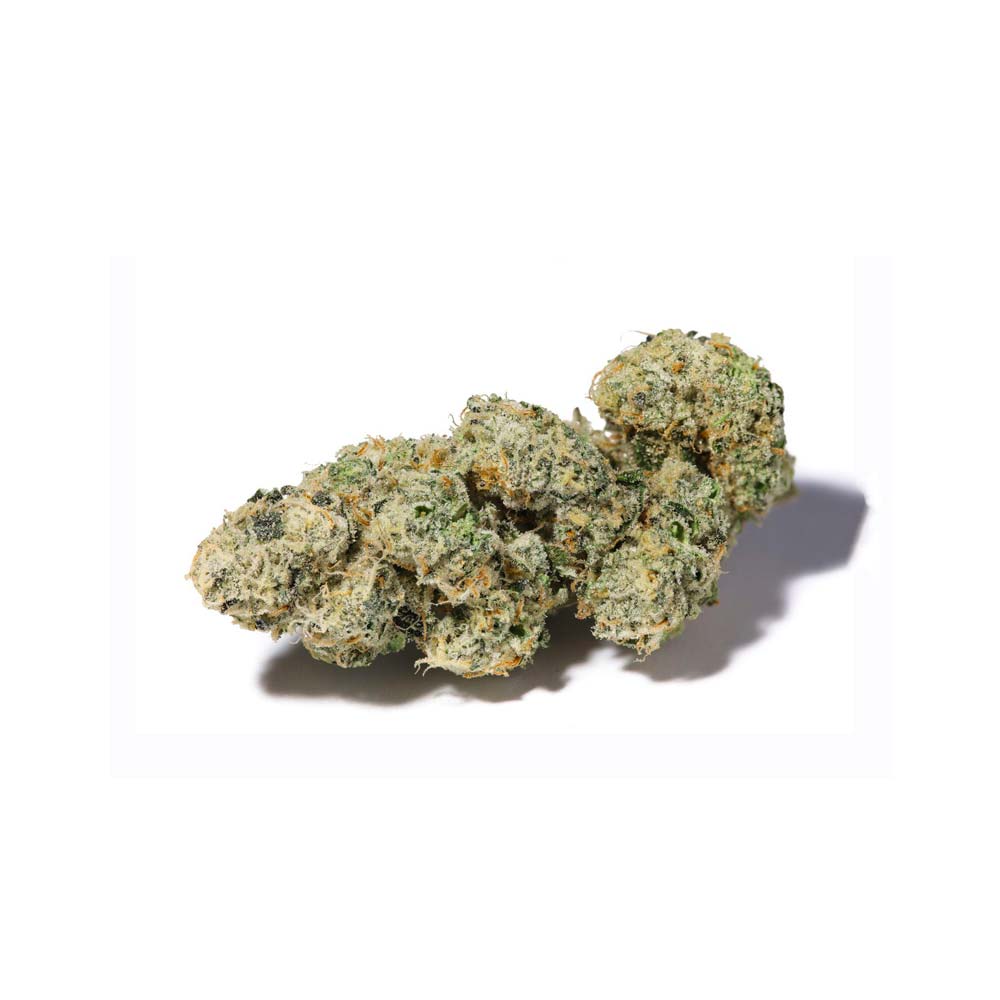
CBDV is only found in very small quantities in most cannabis varieties. However, some special cannabis flowers are specifically bred to contain higher concentrations of CBDV. Cannabis varieties with a low THC content in particular often have a slightly higher CBDV content. Extracts are increasingly being developed for medical purposes in order to be able to use CBDV therapeutically.
Fun Fact: CBDV is found almost exclusively in strains with very low THC content – mostly in traditional hemp and landrace strains.
How CBDV works in the body
Wirkung von Cannabis, Beispiel CBDV
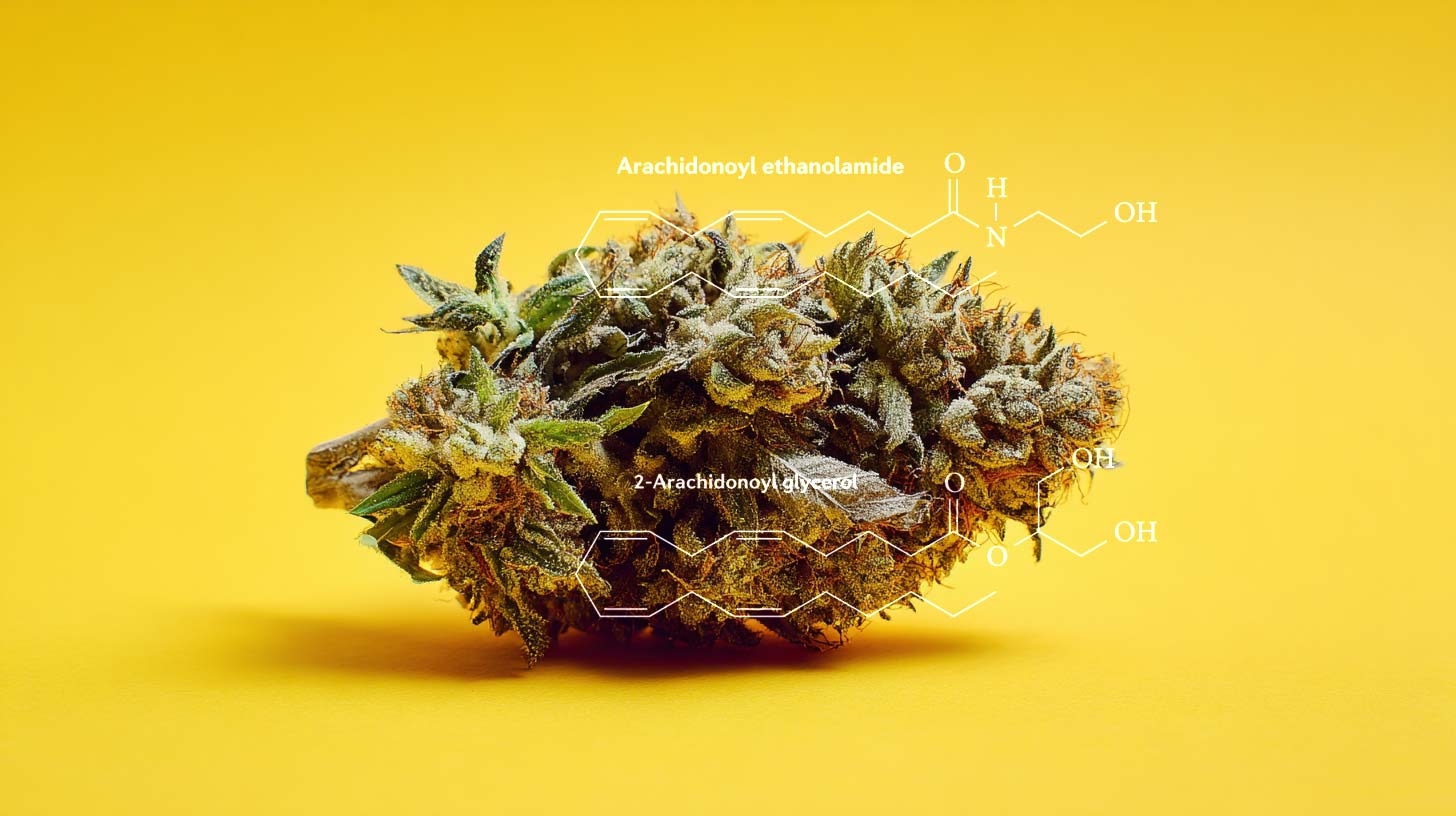
CBDV acts via the endocannabinoid system, but only binds weakly to classic cannabinoid receptors. Instead, it influences ion channels in the nervous system and could therefore have anticonvulsant effects. Research on CBDV in epilepsy, autism spectrum disorders and degenerative nerve diseases is particularly exciting. Initial clinical studies show promising results that make CBDV a potential candidate for new therapies.
Has a regulating rather than intoxicating effect
Could help with seizures and neurological disorders
Studies on the effect are underway worldwide
How long CBDV works
The duration of the effect of CBDV depends heavily on the form of consumption. Inhalation provides a quick effect that usually lasts two to three hours. With CBDV extracts or edible products, the effect is delayed, but often lasts longer.
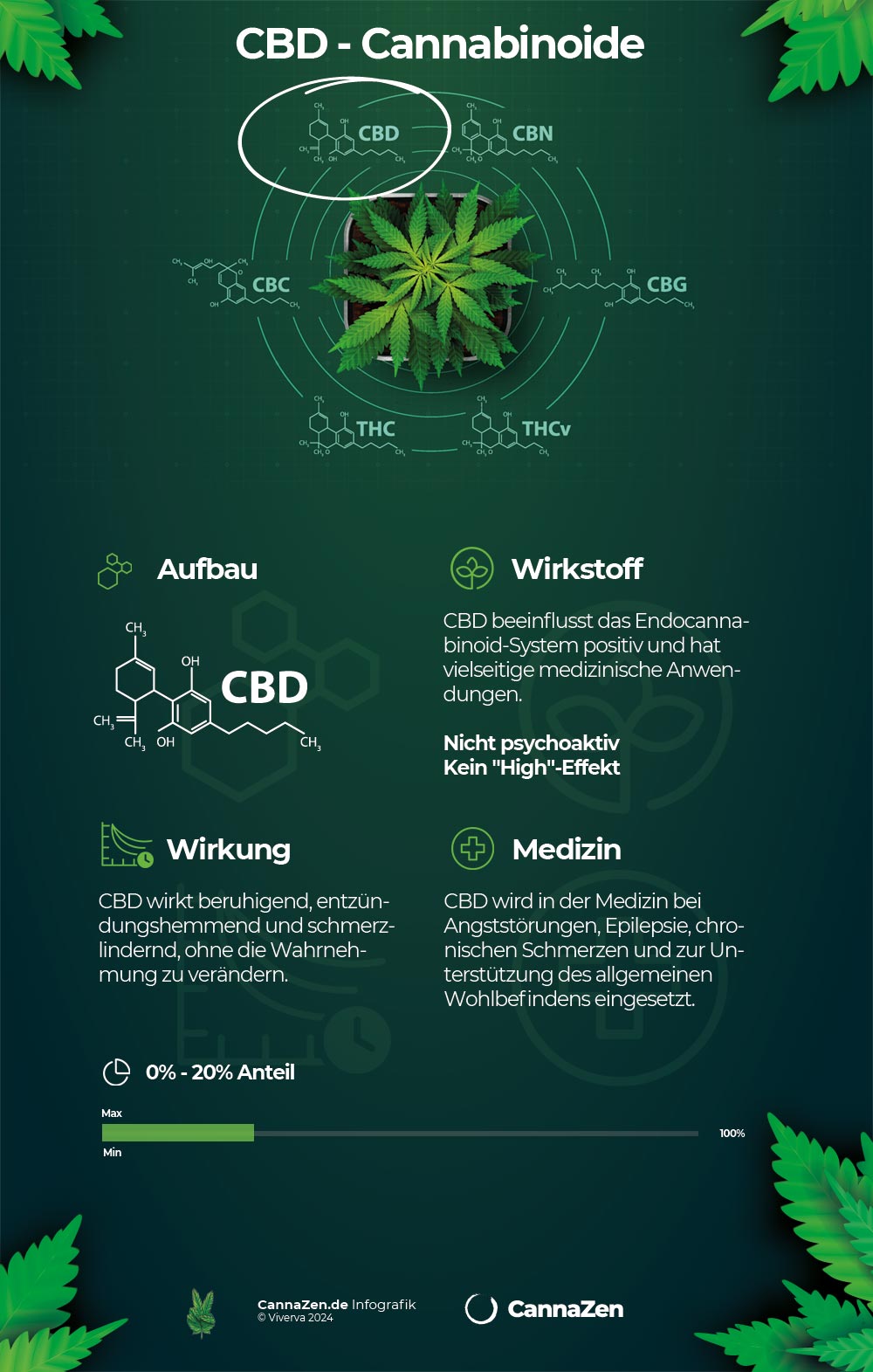
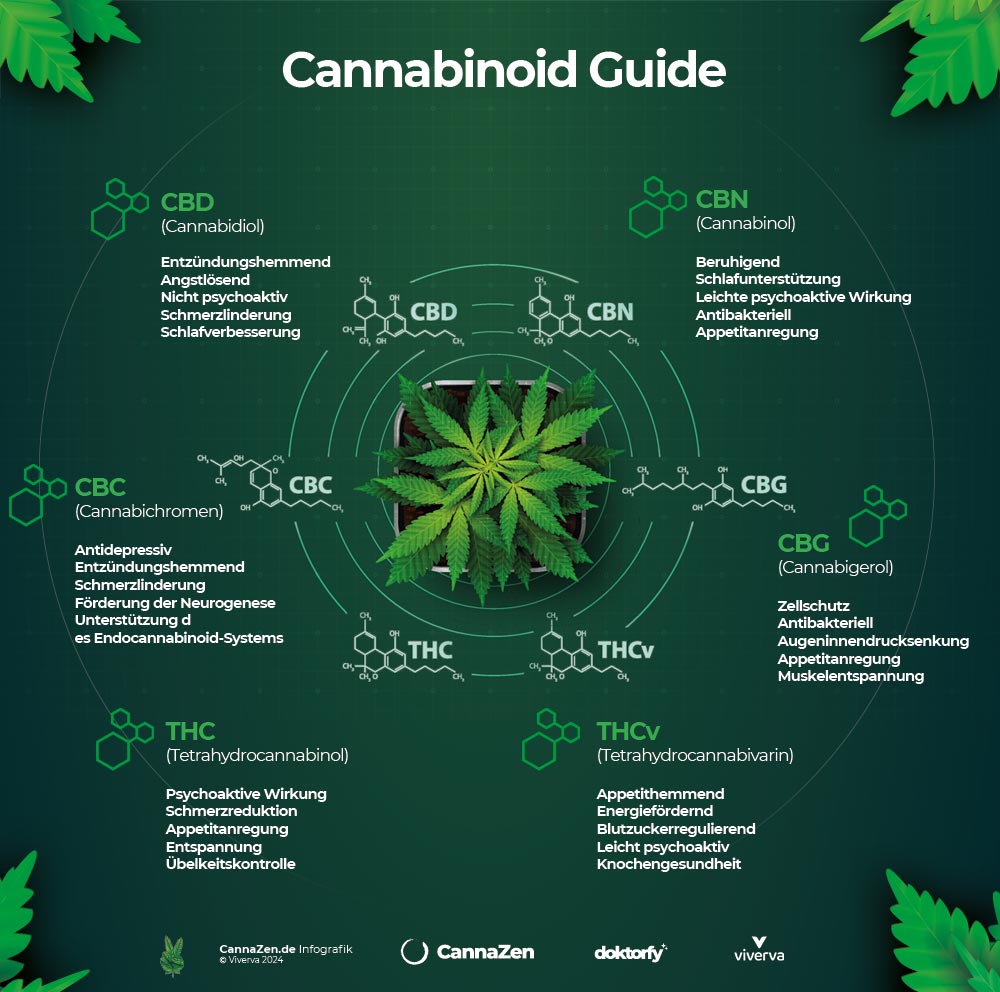
Cannabinoids are responsible for the diverse effects of the cannabis plant. While THC has a psychoactive effect, CBD is relaxing and anti-inflammatory and CBG has a nerve-protective effect, CBDV is particularly interesting because of its potential in neurological diseases. It complements the effects of other cannabinoids and could play an important role in therapy in the future.
CBDV is considered one of the most exciting cannabinoids for modern medicine, as it could open up new treatment approaches.
THC: psychoactive, euphoric
CBD: relaxing, anti-inflammatory
CBDV: neurologically relevant, not psychoactive
Entourage effect and CBDV
CBDV is also part of the “entourage effect“, i.e. the mutual reinforcement of cannabinoids. In combination with CBD and CBG, CBDV can promote the balance of the endocannabinoid system and enhance certain therapeutic effects. CBDV could be used specifically for medicinal flowers and extracts in the future.
CBDV therefore offers an exciting prospect for patients with neurological diseases and could usefully expand existing treatment options.
Cannabis effects: cannabinoids, terpenes and genetics
Cannabinoids, terpenes and genetics: Learn everything you need to know about medicinal cannabis on CannaZen.
Medical Disclaimer: The information on this page is for educational purposes only and does not constitute medical advice. Always consult a licensed healthcare professional before starting any new treatment.
We may request cookies to be set on your device. We use cookies to let us know when you visit our websites, how you interact with us, to enrich your user experience, and to customize your relationship with our website.
Click on the different category headings to find out more. You can also change some of your preferences. Note that blocking some types of cookies may impact your experience on our websites and the services we are able to offer.
Essential Website Cookies
These cookies are strictly necessary to provide you with services available through our website and to use some of its features.
Because these cookies are strictly necessary to deliver the website, refusing them will have impact how our site functions. You always can block or delete cookies by changing your browser settings and force blocking all cookies on this website. But this will always prompt you to accept/refuse cookies when revisiting our site.
We fully respect if you want to refuse cookies but to avoid asking you again and again kindly allow us to store a cookie for that. You are free to opt out any time or opt in for other cookies to get a better experience. If you refuse cookies we will remove all set cookies in our domain.
We provide you with a list of stored cookies on your computer in our domain so you can check what we stored. Due to security reasons we are not able to show or modify cookies from other domains. You can check these in your browser security settings.
Google Analytics Cookies
These cookies collect information that is used either in aggregate form to help us understand how our website is being used or how effective our marketing campaigns are, or to help us customize our website and application for you in order to enhance your experience.
If you do not want that we track your visit to our site you can disable tracking in your browser here:
Other external services
We also use different external services like Google Webfonts, Google Maps, and external Video providers. Since these providers may collect personal data like your IP address we allow you to block them here. Please be aware that this might heavily reduce the functionality and appearance of our site. Changes will take effect once you reload the page.
Google Webfont Settings:
Google Map Settings:
Google reCaptcha Settings:
Vimeo and Youtube video embeds:
Other cookies
The following cookies are also needed - You can choose if you want to allow them:
Privacy Policy
You can read about our cookies and privacy settings in detail on our Privacy Policy Page.