
The Start Low, Go Slow Principle
The foundation of medical cannabis dosing in UK clinical practice rests on the “start low, go slow” principle. This approach minimises adverse effects whilst allowing patients to find their optimal therapeutic dose. Rather than prescribing a standard dose that works for most patients, clinicians tailor treatment to individual responses, recognising that cannabis affects everyone differently.
This cautious approach is particularly important because cannabis is a complex medicine containing multiple cannabinoids and terpenes, each affecting the body’s endocannabinoid system in distinct ways. Starting at the lowest effective dose ensures patients gain maximum benefit with minimal side effects, building confidence in their treatment and improving adherence.
Initial Dosing by Product Type
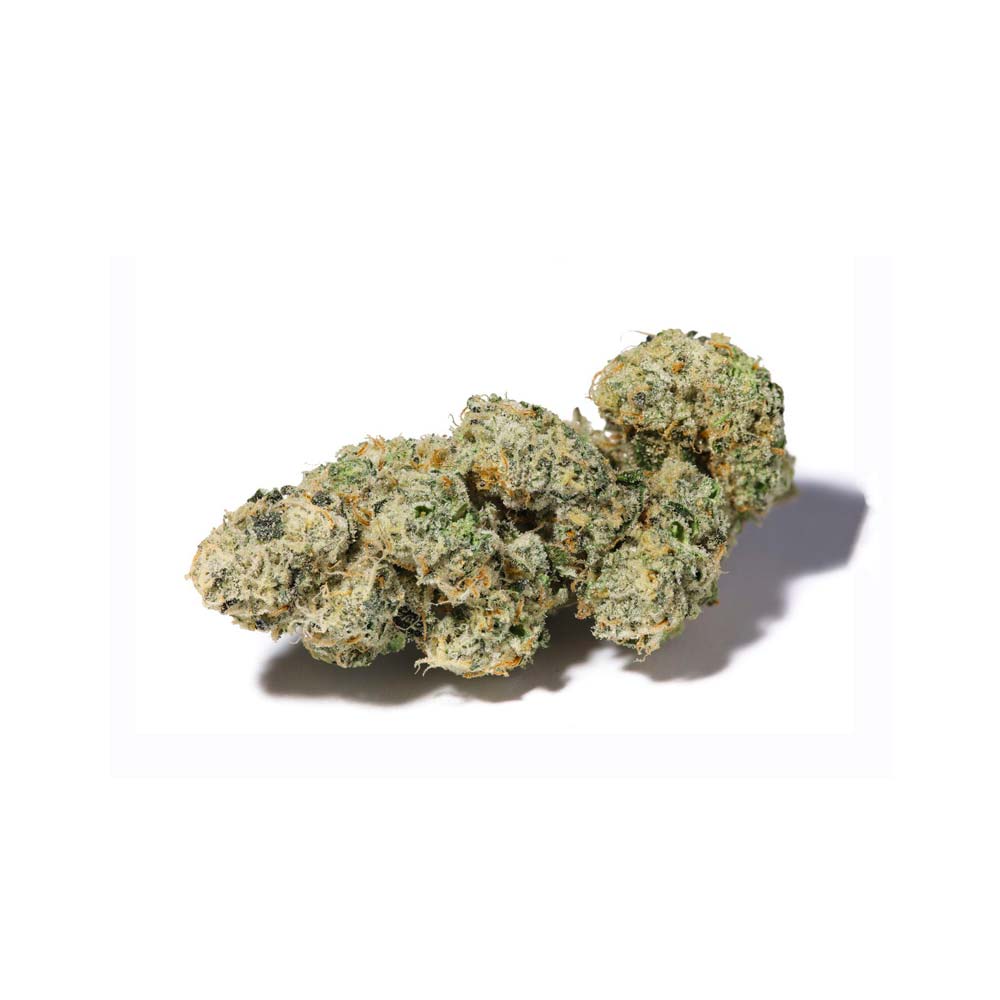
Medical cannabis is prescribed in several formulations, each with different starting doses. For dried flower, the typical starting dose ranges from 0.1 to 0.2 grams per administration. This small quantity is inhaled via a specialist vaporiser, which heats the material without combustion, delivering cannabinoids efficiently whilst minimising harmful by-products.
Cannabis-based medical products in oil form typically begin at 2.5 milligrams of THC per dose. Oils are usually placed under the tongue for sublingual absorption, providing consistent dosing and predictable effects. This measured approach allows patients to feel the effects clearly and adjust accordingly.
Capsules containing standardised cannabinoid ratios start at 2.5 to 5 milligrams of THC. Capsules offer convenience and consistency but take longer to work than vaporised flower or oils, typically requiring 1-2 hours for effects to manifest. Patients should be aware of this delayed onset to avoid accidentally taking additional doses too soon.
Titration Schedules and Dose Escalation
After establishing a baseline with initial dosing, patients typically increase their dose weekly, following a structured titration schedule. Standard increments are 2.5 milligrams of THC, though this may vary depending on individual response and product type. Weekly intervals allow sufficient time to observe effects and make informed decisions about further increases.
A typical titration might proceed as follows: week one at 2.5mg, week two at 5mg, week three at 7.5mg, and so forth, until the patient achieves adequate symptom relief or experiences side effects that necessitate stepping back. Some patients reach their optimal dose within 2-3 weeks, whilst others require 8-12 weeks to find their therapeutic window.
The prescriber should provide clear guidance on whether increases occur once daily or can be implemented multiple times throughout the day. Timing matters considerably; taking doses too close together prevents proper assessment of individual dose effects.
Maintaining a Symptom Diary
Accurate symptom tracking is essential for optimising cannabis dosing. Patients should record their primary symptoms daily, rating severity on a numerical scale, typically 0-10. Beyond symptom scores, tracking should include effects on sleep quality, appetite, mood, and any adverse effects such as dizziness, dry mouth, or anxiety.
Patients must also note the exact dose taken, time of administration, and product used. Environmental factors matter too—stress levels, food intake, and sleep quality influence cannabis’s effects. A detailed diary provides prescribers with objective data for dose adjustments and helps identify patterns the patient might otherwise miss.
Recognising Your Optimal Dose
The therapeutic window is the dose range where benefits outweigh side effects. You’ve found your optimal dose when symptoms improve noticeably without troublesome adverse effects. Signs of success include reduced pain, improved sleep, decreased anxiety, or better appetite—depending on your treatment goals.
Common signs of over-dosing include excessive sedation, impaired concentration, dizziness, or paranoia. If these occur, reduce your dose by one increment and maintain that level for at least one week before reassessing. Finding the optimal dose isn’t about reaching the highest possible amount; it’s about achieving symptom relief comfortably.
Dosing Variation by Condition
Different medical conditions require different dosing approaches. Chronic pain often responds to moderate doses of THC-dominant products, typically 10-20mg daily. Multiple sclerosis spasticity may require higher doses, sometimes exceeding 25mg daily. Epilepsy often demands THC-rich formulations at higher doses for seizure control.
Anxiety and insomnia typically require lower doses than pain conditions; occasionally 2.5-5mg suffices. Some patients benefit from CBD-dominant products for anxiety, requiring entirely different dosing considerations. Your prescriber tailors your starting dose and titration schedule based on your specific diagnosis and medical history.
Daily versus As-Needed Dosing
| Dosing Schedule | Best For | Characteristics |
|---|---|---|
| Daily (Regular) | Chronic pain, epilepsy, spasticity | Consistent cannabinoid levels; prevents symptom recurrence; requires adherence |
| Twice Daily | Moderate chronic conditions | Covers morning and evening symptom patterns; balances consistency with flexibility |
| As-Needed (PRN) | Occasional symptoms, breakthrough pain | Lower overall consumption; useful alongside daily doses; requires careful monitoring |
Maximum Doses in UK Clinical Practice
Whilst individual variation exists, UK cannabis prescribers typically maintain maximum doses of 40mg THC daily, though some patients receive up to 50mg. Exceeding these amounts rarely provides additional benefit and increases side effect risk. Starting low means maximum doses are reached gradually, with prescriber approval at each stage.
Communicating with Your Prescriber
Regular communication with your prescriber ensures safe, effective dosing. Attend scheduled review appointments with your symptom diary and discuss changes honestly. Report all side effects, not just pleasant effects. If you’ve adjusted your dose independently, inform your prescriber immediately. Together, you’ll refine your dosing strategy until you achieve optimal symptom relief.
Further Reading
- Cannabis Microdosing UK — Guide, Benefits, How to Start
- CBD Oil UK: Complete Guide to Benefits, Dosage and Buying
- How to Titrate Your Cannabis Dose UK – Safe Guide
- How to Use Medical Cannabis UK — Methods, Dosage Guide