
Medical Cannabis Dosing for Parkinson’s Disease UK Patients: A Comprehensive Guide
Medical Disclaimer
This guide is for educational purposes only and should not replace professional medical advice. Always consult with your NHS neurologist or registered cannabis prescriber before starting, adjusting, or discontinuing any cannabis-based treatment. Individual responses to cannabis vary significantly, and what works for one patient may not work for another. Do not self-medicate or alter your existing Parkinson’s medications without professional guidance.
Understanding Parkinson’s Disease and Symptom Management
Parkinson’s disease is a progressive neurodegenerative condition affecting movement control, caused by declining dopamine levels in the brain. Patients commonly experience tremor (involuntary shaking), rigidity (muscle stiffness), bradykinesia (slowness of movement), and postural instability. Beyond motor symptoms, many Parkinson’s patients struggle with non-motor symptoms including sleep disturbances, anxiety, pain, and mood changes that significantly impact quality of life.
Traditional Parkinson’s medications like levodopa and dopamine agonists remain the gold standard treatment. However, some patients experience inadequate symptom control, medication-related side effects, or reduced medication efficacy over time. In these cases, medical cannabis is now being explored as a complementary therapy in the UK, with emerging evidence suggesting potential benefits for tremor reduction, muscle rigidity, sleep quality, and anxiety management.
The UK Prescribing Approach: Start Low, Go Slow
UK-registered prescribers follow a conservative, evidence-based approach to cannabis-based medicinal products (CBMPs). The fundamental principle is “start low, go slow”—beginning with minimal doses and gradually increasing based on patient tolerance and therapeutic response. This approach minimises adverse effects and helps identify the lowest effective dose for each individual.
Before initiating treatment, your prescriber will conduct a thorough assessment including your current medication regimen, medical history, and specific Parkinson’s symptoms you hope to address. They will discuss potential benefits and risks specific to your situation and establish clear treatment goals and monitoring protocols.
For detailed information on accessing cannabis-based treatment through the NHS or private prescribers, see our guide on getting a cannabis prescription in the UK.
Cannabis Components: CBD and THC
Medical cannabis products contain two primary active compounds: cannabidiol (CBD) and tetrahydrocannabinol (THC). CBD is non-intoxicating and associated with anti-inflammatory, anxiolytic, and neuroprotective properties. THC is psychoactive and may provide benefits for tremor, rigidity, and sleep but carries higher potential for side effects and drug interactions.
For Parkinson’s patients, UK prescribers often favour CBD-dominant formulations initially, as they offer therapeutic benefits with minimal intoxication risk. Some patients benefit from balanced CBD:THC ratios or THC-dominant products, depending on symptom profile and tolerance. The optimal ratio varies between individuals and requires careful titration under professional supervision.
Typical Dose Ranges for Parkinson’s Patients
Initial CBD dosing typically begins at 5-10mg daily, gradually increasing by 5-10mg increments every 3-7 days, depending on patient response and tolerability. Most patients find therapeutic benefit in the range of 15-40mg CBD daily, though some require higher doses up to 100mg or more. Maintenance doses are individualised based on symptom control and side effect profile.
For THC-containing products, initial doses are considerably lower, often starting at 0.5-2mg daily and increasing in small increments. Due to Parkinson’s patients’ potential sensitivity to THC, many prescribers prefer to keep THC doses below 10mg daily, though some patients tolerate and benefit from higher amounts. The ratio of CBD to THC significantly influences both therapeutic effects and side effects.
These figures represent general guidance; your prescriber will determine the appropriate starting dose and titration schedule for your specific clinical presentation and medical history.
Routes of Administration
Cannabis Oil (Tinctures)
Liquid cannabis oils offer precise dosing, rapid absorption (particularly sublingual administration), and flexible titration. Patients place drops under the tongue, allowing absorption through oral mucosa within 15-30 minutes. This route is popular for Parkinson’s patients as it enables accurate dose adjustments and consistent delivery. Oils are typically available in various CBD:THC ratios.
Capsules
Encapsulated cannabis products provide convenient, discreet dosing with pre-measured amounts. However, capsules must be digested before absorption, resulting in slower onset (1-2 hours) and variable bioavailability depending on gastrointestinal factors. This route suits patients preferring simplicity and consistency, though it offers less flexibility for rapid dose adjustments.
Dried Flower
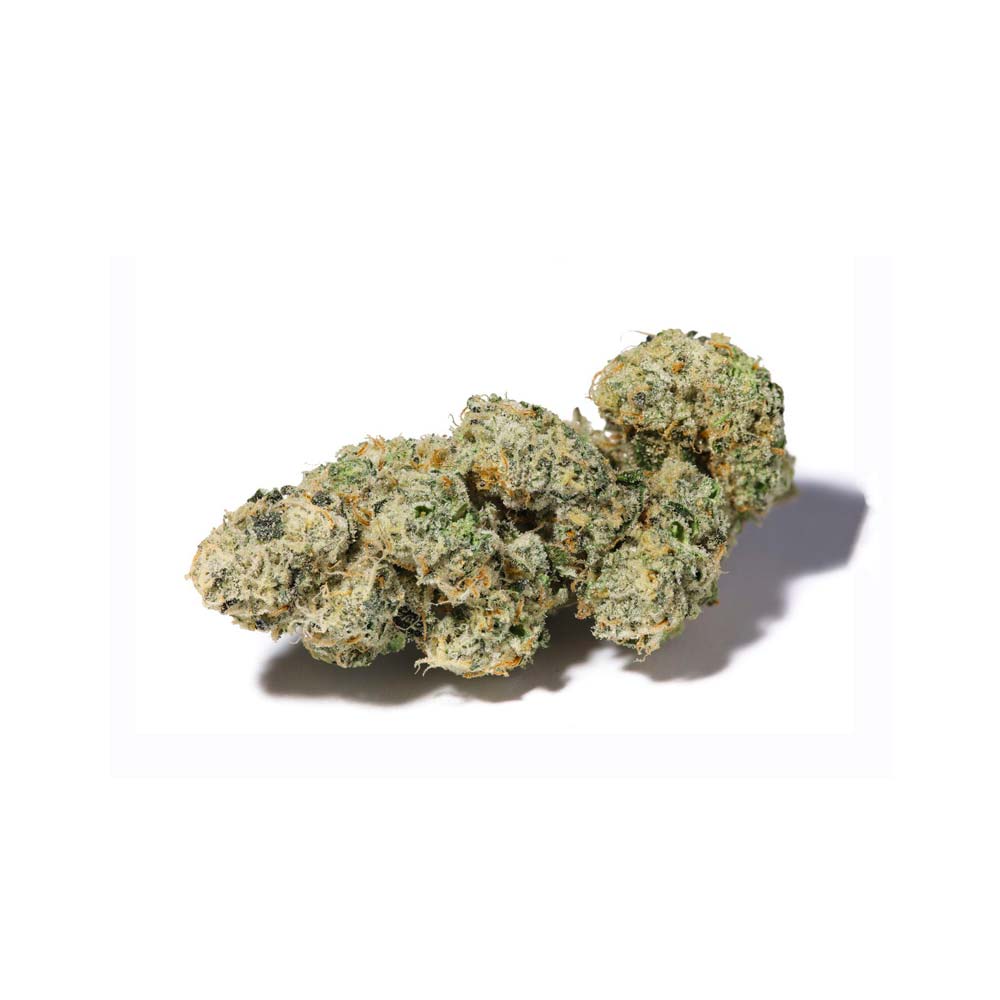
Vaporising dried cannabis flower delivers cannabinoids rapidly (within minutes) through inhalation without combustion toxins, making it suitable for Parkinson’s patients requiring quick symptom relief, particularly for tremor or acute anxiety. However, precise dosing is more challenging with flower, and some patients with Parkinson’s may have difficulty handling or using a vaporiser device.
Titration and Dose Escalation
Successful cannabis therapy requires careful, patient-led titration. Begin at the lowest prescribed dose and maintain this for 3-7 days, monitoring symptom response and side effects. If well-tolerated and therapeutic benefit is insufficient, increase the dose incrementally. Document your response using a symptom diary, noting changes in tremor, rigidity, sleep quality, anxiety, and any adverse effects.
The titration process may extend over weeks or months. Patience is essential—rushing dose escalation increases side effect risk without improving therapeutic outcomes. Your prescriber should schedule regular follow-up consultations (typically 2-4 weeks apart during titration) to review progress and adjust doses appropriately.
Once therapeutic benefit is achieved, maintain that dose consistently. Many patients stabilise on relatively modest doses; there is no benefit to continually increasing doses beyond the point of therapeutic plateau. Tolerance to some cannabis effects may develop over time, requiring occasional dose adjustments.
Interactions with Parkinson’s Medications
Cannabis can interact with levodopa and other Parkinson’s medications through multiple mechanisms. CBD inhibits cytochrome P450 enzymes, potentially increasing levels of medications metabolised through these pathways. THC may enhance dopamine activity, potentially amplifying both therapeutic and adverse effects of dopamine agonists.
These interactions are not necessarily contraindications but require careful monitoring. Your prescriber must review your complete medication list and may recommend dose adjustments to your existing Parkinson’s medications when initiating cannabis therapy. Blood pressure and heart rate monitoring may be necessary, as cannabis can affect cardiovascular parameters.
Never adjust your Parkinson’s medications independently. Report any changes in symptom control, medication side effects, or new symptoms to your neurologist or cannabis prescriber immediately. Regular monitoring appointments are essential to ensure safe, effective polypharmacy.
When to Consult Your UK Neurologist or Prescriber
Contact your healthcare provider immediately if you experience dizziness, confusion, significant mood changes, hallucinations, worsening tremor or rigidity, cardiac palpitations, or severe anxiety. Report any changes in your Parkinson’s symptom control or existing medication side effects at your next scheduled appointment.
Discuss cannabis therapy with your neurologist before starting, even if treatment is through a private prescriber. Many NHS neurologists now support cannabis-based therapy as a complementary approach and should be involved in monitoring your overall Parkinson’s management. For more information on medical cannabis in the UK, consult official prescribing guidelines and patient resources.
Legal Considerations
In the UK, cannabis-based medicinal products are Schedule 2 controlled drugs available only through prescription from registered