
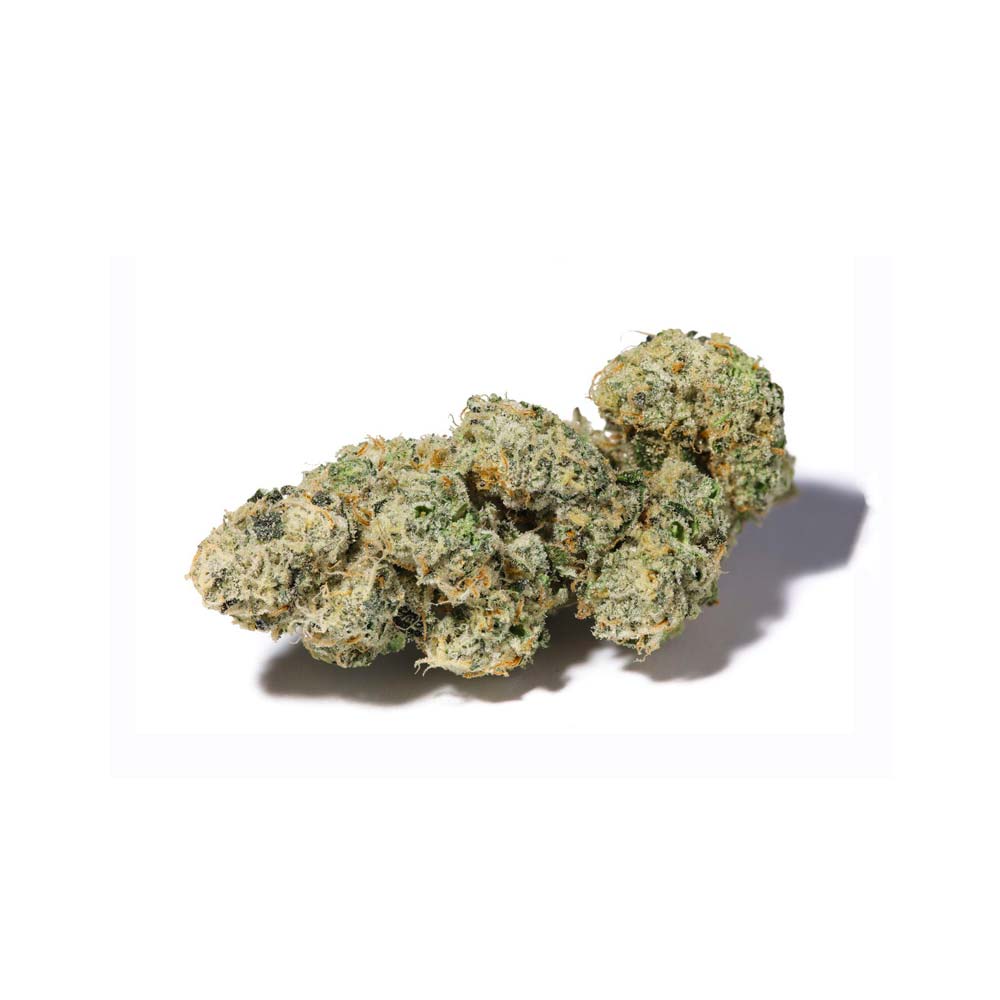
Cosmic Mac Cannabis Doctor Prescription Pharmacy Shop Blute

How to Use Medical Cannabis UK — Methods, Dosage Guide

How to Use Medical Cannabis UK: Methods, Dosage Guide and Best Practices

Medical cannabis has been legal in the United Kingdom since November 2018, marking a significant shift in cannabis policy. However, accessing and using medical cannabis remains strictly regulated, and many patients find the process confusing. This comprehensive guide explains how to use medical cannabis in the UK, including available methods, dosage considerations, and practical advice for patients.

Understanding Medical Cannabis in the UK

Medical cannabis in the UK refers to cannabis-based medicinal products (CBMPs) that have been prescribed by a specialist doctor. Unlike recreational use, medical cannabis is only available through the NHS or private prescriptions, and it must be recommended by a consultant specialist in hospital practice.

As of 2026, over 4,000 patient consultations have been conducted for medical cannabis through private clinics, though NHS prescriptions remain limited. The primary conditions treated with medical cannabis in the UK include chronic pain, multiple sclerosis, and treatment-resistant epilepsy, particularly in children.

Legal Requirements for Using Medical Cannabis UK

Before considering how to use medical cannabis UK, you must understand the legal framework. Medical cannabis can only be prescribed by a consultant specialist, not GPs. You’ll need a diagnosis of one of the approved conditions and must exhaust conventional treatments first.

Private prescriptions are typically issued by clinics specialising in medical cannabis consultations. These consultations cost between £150 and £400 and are not covered by the NHS in most cases. Prescriptions can then be filled at pharmacies licensed to dispense cannabis products.

Available Methods of Administration

Inhaled Methods

Inhalation is one of the most common methods for using medical cannabis in the UK. This includes:

  • Dry flower vaporisation: Using a medical vaporiser to heat cannabis flower without combustion, providing rapid symptom relief
  • Cannabis oil inhalation: Specialised inhalers designed for medical cannabis oils

Inhalation offers quick onset, typically within 5-15 minutes, making it suitable for breakthrough symptoms. However, medical professionals often recommend other methods due to lung health concerns.

Oral Administration

Oral methods are increasingly popular for medical cannabis use in the UK:

  • Capsules: Pre-measured doses in capsule form, providing consistency and convenience
  • Tinctures and oils: Liquid extracts placed under the tongue for sublingual absorption
  • Edibles: Medically formulated products, though less common in UK medical practice

Oral methods have a slower onset (30-90 minutes) but provide longer-lasting effects (4-12 hours), making them ideal for sustained symptom management.

Topical Application

Cannabis-infused creams and balms can be applied directly to affected areas. This method provides localised relief without systemic effects and is particularly useful for inflammation and pain in specific areas.

Understanding Dosage in Medical Cannabis Treatment

Dosage is highly individualised and depends on various factors including body weight, metabolism, symptom severity, and previous cannabis experience. Your specialist will create a personalised dosing schedule.

Medical cannabis products in the UK are typically standardised with specific CBD (cannabidiol) and THC (tetrahydrocannabinol) ratios. Common ratios include:

  • High CBD products: 20:1 or greater CBD to THC ratio
  • Balanced products: 1:1 CBD to THC ratio
  • THC-dominant products: Higher THC concentrations for certain conditions

Starting Dose Recommendations

The principle “start low, go slow” applies to medical cannabis. Most UK specialists recommend starting with 2.5-5mg of THC daily, divided into smaller doses if using multiple daily administrations.

Dosage increases typically occur every 1-2 weeks, with increments of 2.5-5mg, based on symptom response and side effects. Maintenance doses typically range from 15-40mg daily for most conditions, though some patients require higher amounts.

Dosage by Condition

Chronic pain: Initial doses of 5mg THC twice daily, titrating to 15-20mg daily

Multiple sclerosis: Starting doses of 2.5-5mg, increasing to 10-15mg daily

Epilepsy: Higher CBD products, often combined with lower THC, with doses determined by body weight in paediatric cases

Practical Tips for Using Medical Cannabis UK

Keep a detailed symptom diary to track how medical cannabis affects your condition. Record dosage, time of administration, symptom relief, and any side effects experienced. This information is invaluable for adjusting your treatment plan with your specialist.

Store medical cannabis products in a cool, dark place, away from children and pets. Most products have a shelf life of 12-24 months when stored correctly. Always check expiration dates before use.

Consistency is crucial when using medical cannabis for medical purposes. Taking your dose at the same time each day helps establish a reliable treatment routine and makes it easier to identify whether adjustments are needed.

Managing Side Effects

Common side effects include dizziness, dry mouth, fatigue, and changes in appetite. Most side effects decrease with continued use as your body adjusts. If side effects persist, inform your specialist—dosage adjustment may be necessary.

Never drive or operate machinery until you understand how medical cannabis affects you personally. The UK law prohibits driving with medical cannabis impairment, and drug-driving tests can detect cannabis metabolites.

Monitoring Progress and Adjustments

Regular follow-up appointments with your prescribing specialist are essential. Most specialists schedule reviews at 2-4 week intervals during the titration phase, then quarterly once a stable dose is established.

Be prepared to discuss treatment efficacy, side effects, and any changes in your symptoms at these appointments. Your specialist may adjust dosage, change the product ratio, or modify the administration method based on your response.

Accessing Medical Cannabis in the UK

NHS prescriptions for medical cannabis remain limited, with only approximately 100 patients receiving NHS prescriptions in recent years. Most patients access medical cannabis through private clinics offering specialist consultations.

Research clinics thoroughly and ensure they employ qualified medical professionals. A legitimate medical best UK cannabis clinics will require a medical history, conduct an assessment, and provide an ongoing monitoring protocol.

Conclusion

Understanding how to use medical cannabis UK involves more than simply taking the product—it requires working closely with a specialist, following personalised dosing protocols, and maintaining detailed records of your treatment. Starting with low doses and titrating gradually, using appropriate administration methods, and maintaining regular contact with your healthcare provider ensures safe, effective medical cannabis use. While access through the NHS remains limited, private options are available for eligible patients seeking this form of treatment for approved medical conditions.

Medical Disclaimer: The information on this page is for educational purposes only and does not constitute medical advice. Always consult a licensed healthcare professional before starting any new treatment.

Cosmic Mac Cannabis Doctor Prescription Pharmacy Shop Blute

How to Use Medical Cannabis UK — Methods, Dosage Guide

How to Use Medical Cannabis UK — Methods, Dosage Guide and Practical Advice

Medical cannabis has been legal in the UK since November 2018, marking a significant shift in how patients access alternative treatments for various chronic conditions. However, understanding how to use medical cannabis UK properly remains confusing for many patients. This comprehensive guide covers approved administration methods, dosage considerations, and essential safety information for UK patients.

Legal Status of Medical Cannabis in the UK

Medical cannabis became available on prescription in the UK following changes to the Misuse of Drugs Regulations 2001. According to NHS data, around 2,000 patients had received cannabis-based medicinal products through the NHS by 2022, though private prescriptions remain significantly more common.

Only cannabis-based medicinal products (CBMPs) are legal in the UK, not recreational cannabis. These are regulated pharmaceutical products containing controlled cannabinoid extracts. Your medical cannabis must be prescribed by a consultant doctor, and only certain conditions typically qualify for treatment, including epilepsy, multiple sclerosis, and chronic pain.

Approved Methods of Using Medical Cannabis UK

Oral Sprays

Oral sprays represent the most common method for how to use medical cannabis UK. Nabiximols (brand name Sativex) is the primary product available, containing equal amounts of THC and CBD. Patients spray the medication into their mouth, where it absorbs through the oral mucosa. This method provides relatively quick onset within 15-30 minutes and allows precise dosing control.

Capsules and Tablets

Many patients prefer capsules for convenience and consistent dosing. These products pass through the digestive system, resulting in slower absorption (30 minutes to 2 hours) but longer-lasting effects. Capsules are particularly useful for patients managing chronic pain or other persistent conditions requiring sustained relief.

Oils and Tinctures

Cannabis oils and tinctures can be taken sublingually (under the tongue) or added to food and drinks. Sublingual administration provides faster absorption than swallowing, typically taking effect within 30-45 minutes. This versatile method appeals to patients seeking flexibility in their treatment approach.

Inhalation Through Vaporisers

Medical-grade vaporisers heat cannabis to temperatures where cannabinoids become airborne without producing smoke. This method offers rapid onset (within minutes), making it suitable for breakthrough pain management. However, vaporisation requires careful temperature control to ensure proper cannabinoid delivery while avoiding harmful combustion byproducts.

Topical Applications

Cannabis-infused creams, balms, and patches provide localised relief for pain and inflammation without systemic effects. These products work well for arthritis, neuropathic pain, and localised inflammation. Topical applications rarely cause psychoactive effects since cannabinoids penetrate skin slowly.

Understanding Medical Cannabis Dosage in the UK

Dosage remains highly individualised when learning how to use medical cannabis UK. The saying “start low, go slow” guides most treatment plans. Most doctors recommend beginning with the lowest possible dose and gradually increasing until therapeutic benefits appear without intolerable side effects.

For Sativex oral spray, the typical starting dose is one to two sprays daily, increasing by one to two sprays every three days until reaching an optimal dose, usually between 5-12 sprays daily. This cautious approach allows your body to develop tolerance while monitoring effects.

Dosage depends on several factors including your age, weight, medical history, concurrent medications, and the specific condition being treated. CBD-dominant products generally require higher doses than THC-dominant formulations. A typical CBD dose ranges from 50-300mg daily, whilst THC doses typically remain much lower, often 2-20mg daily.

Conditions Treated with Medical Cannabis in the UK

The UK recognises medical cannabis for several conditions. Epilepsy treatment shows the strongest evidence, particularly for rare, drug-resistant forms. Multiple sclerosis patients frequently receive prescriptions for spasticity relief. Chronic pain conditions, cancer-related pain, and chemotherapy-induced nausea represent other common indications.

Limited evidence exists for other conditions, though some consultants prescribe medical cannabis for PTSD, anxiety, and inflammatory conditions. Treatment decisions must be based on individual patient circumstances and available evidence.

Safety Considerations and Potential Side Effects

Common side effects include dizziness, drowsiness, and dry mouth. More concerning potential effects include impaired concentration, mood changes, and increased heart rate. Patients should avoid driving or operating machinery until they understand how their body responds to medical cannabis.

Medical cannabis can interact with numerous medications, particularly those metabolised by the cytochrome P450 enzyme system. Always inform your prescribing doctor about all medications, supplements, and herbal products you currently take.

Individuals with a personal or family history of psychosis or schizophrenia should exercise caution with THC-containing products, as cannabis may trigger or exacerbate these conditions.

Obtaining Medical Cannabis Prescriptions in the UK

Obtaining medical cannabis requires a specialist consultant’s prescription; GPs cannot prescribe these products. Private clinics offer faster access, though costs range from £300-£1,000+ monthly. NHS prescriptions remain possible but are rarely issued due to limited clinical evidence and restricted availability through NHS pharmacies.

Your consultant will evaluate your medical history, previous treatments, and current symptoms. You’ll likely try conventional treatments first, as medical cannabis typically represents a last-resort option when standard therapies have failed.

Storing and Maintaining Your Medical Cannabis

Proper storage preserves cannabinoid potency and prevents degradation. Keep medical cannabis in a cool, dark place, away from direct sunlight and excessive heat. Most products remain stable for 12-24 months when stored correctly. Always keep medications in secure containers, away from children and pets.

Monitoring Your Treatment Progress

Maintain detailed records of your dosage, administration method, timing, and resulting effects. This information helps your prescribing consultant adjust your treatment plan effectively. Regular follow-up appointments allow your doctor to assess whether medical cannabis provides therapeutic benefits justifying continued use.

Understanding how to use medical cannabis UK involves careful consideration of available methods, personalised dosage adjustments, and ongoing monitoring. Working closely with your prescribing consultant ensures you receive safe, effective treatment tailored to your specific medical needs and circumstances.

“`

Medical Disclaimer: The information on this page is for educational purposes only and does not constitute medical advice. Always consult a licensed healthcare professional before starting any new treatment.