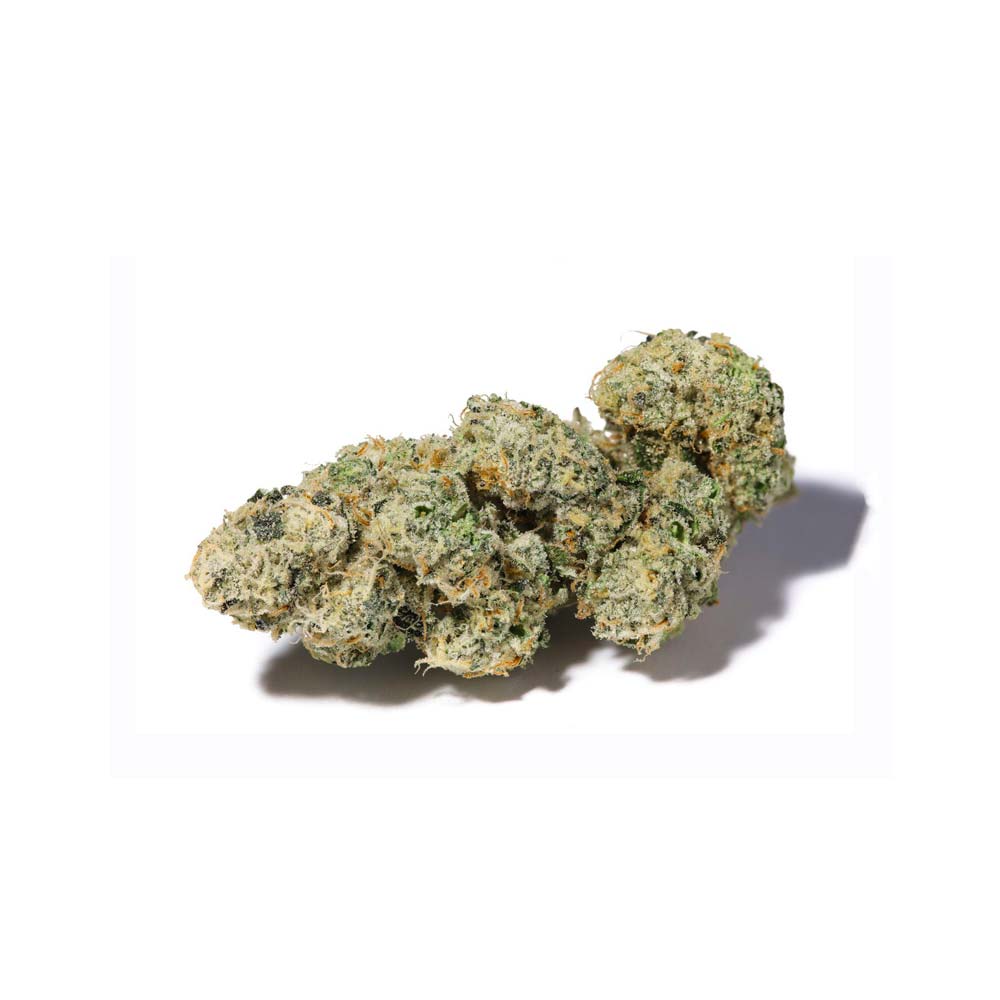
Durban Poison Strain UK: Pure Sativa Effects and Medical Info
Durban Poison Cannabis Strain: A Comprehensive Guide for UK Medical Cannabis Patients
Overview and Genetics
Durban Poison is a legendary sativa-dominant strain with a unique origin story. Unlike most modern cannabis hybrids, Durban Poison is a landrace strain, meaning it developed naturally in a specific geographical region—in this case, the port city of Durban, South Africa. This strain has remained relatively pure throughout its existence, making it a valuable genetic foundation in cannabis cultivation worldwide.
The strain’s genetic stability and distinctive characteristics have made it a favourite among breeders and patients alike. Durban Poison is believed to have evolved over centuries in South Africa’s subtropical climate, developing robust characteristics suited to warm, humid conditions. Its sativa-dominant profile (typically 90% sativa, 10% indica) gives it a unique place in the cannabis market, particularly for patients seeking uplifting effects without heavy sedation.
Durban Poison is primarily known for its THC content rather than CBD. Realistic THC ranges typically fall between 15-25%, with well-cultivated specimens occasionally reaching the upper end of this spectrum or slightly beyond. Modern phenotypes tend to cluster around 18-22% THC, making it moderately potent by contemporary standards.
CBD content in Durban Poison is generally minimal, typically measuring below 1%. This low CBD profile means the strain produces its effects predominantly through THC interaction with the endocannabinoid system. For UK patients seeking a balanced 1:1 CBD:THC product, Durban Poison would not be the ideal choice; however, it remains suitable for those specifically requiring THC-dominant treatment.
Effects and Experience
Durban Poison delivers a distinctly cerebral, uplifting experience that distinguishes it from heavier indica strains. Users typically report pronounced euphoria within 15-20 minutes of consumption, with a clear-headed quality that many describe as “clean” or “sharp.” Unlike sedating strains, Durban Poison often enhances mental clarity and focus, making it suitable for daytime use.
The initial euphoric wave is usually accompanied by increased energy and motivation. Many patients report enhanced creativity and sociability. As effects progress over 2-3 hours, mild relaxation may develop without triggering couch-lock or sedation. Some users experience a slight increase in appetite, though this isn’t universal.
The experience is generally lighter and shorter-lasting than indica-dominant strains, with peak effects typically subsiding within 3-4 hours. This makes Durban Poison particularly useful for patients requiring functional symptom relief during work or daily activities.
Medical Uses and Therapeutic Benefits
Depression and Low Mood: The uplifting, euphoric qualities make Durban Poison particularly valuable for mood elevation in depression and mood disorders.
Fatigue and Low Energy: The energising sativa characteristics help combat chronic fatigue and lethargy, making it suitable for ME/CFS patients.
Anxiety: While THC-dominant strains can be problematic for some anxiety patients, Durban Poison’s clear-headed quality and the absence of sedative heaviness means some patients tolerate it better than indica strains.
Chronic Pain: Though not as pain-relieving as indica strains, Durban Poison provides moderate analgesia with maintained functionality—valuable for patients requiring pain relief without incapacity.
PTSD: Some patients with PTSD report benefits from the uplifting, focusing qualities, particularly when hypervigilance accompanies their condition.
Appetite Stimulation: Many users experience mild appetite enhancement, though this is less pronounced than with heavier strains.
Concentration Difficulties: The focus-enhancing properties make it potentially valuable for ADHD symptoms, though this remains an emerging area of patient reporting.
Availability in UK Medical Cannabis
Durban Poison is not widely available through NHS prescriptions for UK medical cannabis patients. The NHS tends to stock standardised cannabis products from licensed producers, typically Sativex or standardised flower products with consistent cannabinoid profiles.
However, Durban Poison may be available through private prescription via specialised clinics. Several best UK cannabis clinics work with international suppliers and may source Durban Poison for private patients. Private prescriptions typically cost £150-300 per month, depending on dosage and supplier.
Patients seeking this specific strain should contact private clinics directly, as availability varies considerably. Some practitioners may recommend genetically similar strains that are more readily available within the UK regulated market.
Growing Information
Indoor Growing: Durban Poison thrives indoors under controlled conditions. Flowering time is relatively quick for a sativa, typically 8-9 weeks. Plants develop moderate height (usually 1-1.5 metres indoors with training) and produce reasonable yields of 400-600g per square metre under optimised conditions.
Outdoor Growing: This strain excels outdoors in temperate climates, particularly south-facing locations with maximum sunlight. It’s relatively resilient and disease-resistant, reflecting its landrace origins. Outdoor flowering occurs September-October in the UK, with harvest typically November. Yields can reach 400-800g per plant depending on conditions.
Growing Characteristics: Durban Poison demonstrates strong vigour and pest resistance. It prefers warm conditions and performs better in sunnier regions of the UK. The plant structure is characteristically tall and lanky, requiring strategic pruning for indoor cultivation.
Similar Strains Available in the UK
For patients unable to access Durban Poison, several similar sativa-dominant strains may be available through UK dispensaries: Super Lemon Haze offers comparable uplifting effects with citrus flavours; Sour Diesel provides energetic effects though with more pungent aromas;
Medical Disclaimer: The information on this page is for educational purposes only and does not constitute medical advice. Always consult a licensed healthcare professional before starting any new treatment.
https://cannazen.co.uk/wp-content/uploads/2026/01/cosmic-mac-cannabis-doctor-prescription-pharmacy-shop-blute.jpg10001000CannaZen UK Editorial Teamhttps://cannazen.co.uk/wp-content/uploads/2026/01/cannazen-shop-lieferung-cannabis-weed-hemp-online.svgCannaZen UK Editorial Team2026-05-14 21:19:292026-05-15 19:21:12Durban Poison Strain UK: Pure Sativa Effects and Medical Info
We may request cookies to be set on your device. We use cookies to let us know when you visit our websites, how you interact with us, to enrich your user experience, and to customize your relationship with our website.
Click on the different category headings to find out more. You can also change some of your preferences. Note that blocking some types of cookies may impact your experience on our websites and the services we are able to offer.
Essential Website Cookies
These cookies are strictly necessary to provide you with services available through our website and to use some of its features.
Because these cookies are strictly necessary to deliver the website, refusing them will have impact how our site functions. You always can block or delete cookies by changing your browser settings and force blocking all cookies on this website. But this will always prompt you to accept/refuse cookies when revisiting our site.
We fully respect if you want to refuse cookies but to avoid asking you again and again kindly allow us to store a cookie for that. You are free to opt out any time or opt in for other cookies to get a better experience. If you refuse cookies we will remove all set cookies in our domain.
We provide you with a list of stored cookies on your computer in our domain so you can check what we stored. Due to security reasons we are not able to show or modify cookies from other domains. You can check these in your browser security settings.
Google Analytics Cookies
These cookies collect information that is used either in aggregate form to help us understand how our website is being used or how effective our marketing campaigns are, or to help us customize our website and application for you in order to enhance your experience.
If you do not want that we track your visit to our site you can disable tracking in your browser here:
Other external services
We also use different external services like Google Webfonts, Google Maps, and external Video providers. Since these providers may collect personal data like your IP address we allow you to block them here. Please be aware that this might heavily reduce the functionality and appearance of our site. Changes will take effect once you reload the page.
Google Webfont Settings:
Google Map Settings:
Google reCaptcha Settings:
Vimeo and Youtube video embeds:
Other cookies
The following cookies are also needed - You can choose if you want to allow them:
Privacy Policy
You can read about our cookies and privacy settings in detail on our Privacy Policy Page.