
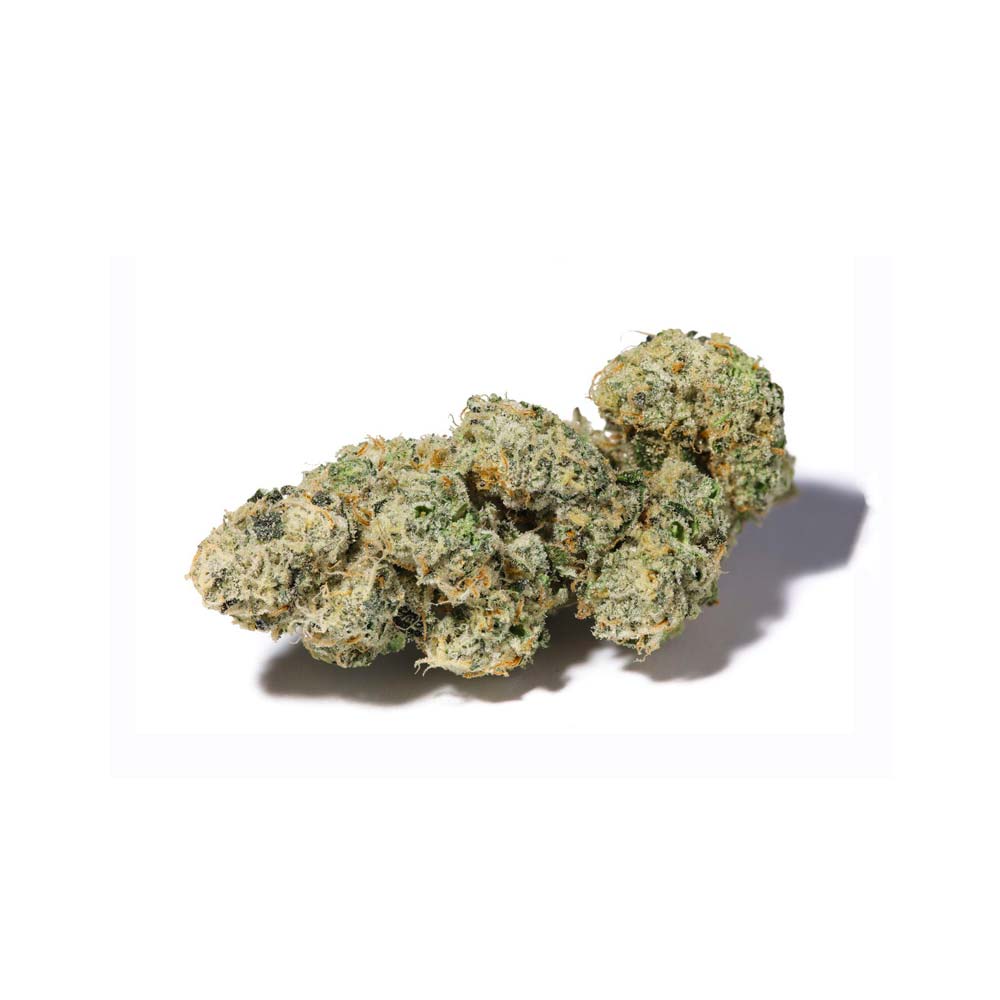
Driving After Using Medical Cannabis in the UK: A Comprehensive Guide
Understanding UK Drug Driving Laws
The UK has strict regulations governing driving under the influence of controlled drugs, including cannabis. Under the Road Traffic Act 1988, it is illegal to drive with certain drugs in your system above specified limits. Since March 2015, there has been a specific legal limit for tetrahydrocannabinol (THC), the primary psychoactive component of cannabis.
The legal limit for THC in your blood is 2 micrograms per litre (mcg/L). This is an absolute limit, meaning you can be prosecuted for exceeding it regardless of whether your driving ability is impaired. Unlike alcohol, there is no “safe” amount – any amount above the limit is illegal.
The penalties for drug-driving convictions are severe, including:
- Minimum 12-month driving ban
- Up to six months imprisonment
- Unlimited fine
- Six penalty points on your driving licence
- Increased car insurance premiums
- Professional consequences (particularly for those in safety-sensitive roles)
Medical Cannabis and the 2 mcg/L Threshold
Patients prescribed medical cannabis face a unique challenge. Therapeutic use of medical cannabis can result in blood THC levels exceeding the 2 mcg/L limit, even when following prescribed dosages correctly.
Unlike some other European countries, the UK does not currently provide an exemption for patients using cannabis on prescription. This means that legally prescribed medical cannabis users can still be prosecuted for drug-driving if they exceed the 2 mcg/L threshold, even if they are not impaired.
However, recent legal developments have created some protection. If you are charged with drug-driving and you can prove you:
- Were using cannabis in accordance with a prescription
- Drove with the knowledge and approval of your best UK cannabis clinics
- Were not impaired in any way
You may be able to mount a successful defence in court. This defence was established following legal challenges and is known as the “prescribed use” defence.
DVLA Obligations and Notification
If you are prescribed medical cannabis, you have a legal responsibility to inform the DVLA (Driver and Vehicle Licensing Agency). This is a critical requirement that many patients overlook.
You must notify the DVLA if your medication could affect your ability to drive safely. Medical cannabis can affect:
- Concentration and focus
- Reaction times
- Motor control
- Coordination
- Vision and perception
Contact the DVLA to report your condition and medication. You can do this by:
- Visiting the DVLA website and using their online notification service
- Telephoning the DVLA Medical Enquiries team
- Writing to the DVLA at Swansea
The DVLA will assess whether you should continue driving and may ask for evidence from your prescribing doctor about the stability of your condition and your fitness to drive.
What to Tell Police During a Stop
If stopped by police and questioned about cannabis use, you should:
- Be honest: Tell the officer that you are prescribed medical cannabis. Attempting to conceal this creates legal complications and undermines any defence
- Provide documentation: Have your prescription available in your vehicle. Keep a copy of your prescription paperwork, including the best UK cannabis clinics’s name and the dosage
- Explain your usage: Clearly state when you last used the medication and that you are following your best UK cannabis clinics’s instructions exactly
- Know your rights: You have the right to remain silent beyond basic questions, but claiming privilege on your prescription use is not advisable
- Request legal representation: If arrested or facing charges, request a solicitor immediately before answering detailed questions
- Don’t make assumptions: Don’t assume the officer understands medical cannabis exemptions – explain your situation clearly and factually
Police can conduct a roadside impairment test (sometimes called a “field impairment assessment”) if they suspect drug-driving. They may also request a blood sample for laboratory testing to determine exact THC levels.
CBD and Driving
CBD (cannabidiol) is a non-psychoactive component of cannabis that does not produce the “high” associated with THC. Many patients find CBD beneficial for pain, anxiety, and inflammation without impairment.
CBD alone does not breach the drug-driving law. The 2 mcg/L limit applies exclusively to THC, not CBD. Therefore, using CBD products that contain minimal THC (typically less than 0.2 per cent) should not put you in legal jeopardy from a drug-driving perspective.
Nevertheless, you should still notify the DVLA if CBD affects your ability to drive, though this is less likely with pure CBD products.
Timing Advice and Safe Driving Practice
The timing of medical cannabis use relative to driving is crucial. THC remains in your bloodstream for varying periods depending on several factors:
- Individual metabolism: How quickly your body processes THC varies significantly
- Dosage: Higher prescribed doses lead to higher blood concentrations
- Frequency of use: Regular users may maintain higher baseline THC levels
- Route of administration: Inhalation vs. oral consumption affects absorption rates
- Individual tolerance: Regular users may experience less impairment at the same levels
Best practices for safe driving include:
- Time your doses strategically: Use medical cannabis when you don’t need to drive. If prescribed twice daily, consider taking doses in the evening and at night
- Avoid driving immediately after use: Wait several hours after taking cannabis before driving, even if you don’t feel impaired
- Assess your actual impairment: Be honest about whether the medication affects your concentration, reaction time, or motor control on that particular day
- Consider alternatives: On days when you must drive, discuss with your best UK cannabis clinics whether alternative pain management or symptom relief is possible
- Use public transport or request lifts: When possible, avoid driving yourself if you’ve recently used medical cannabis
- Never mix with alcohol: Combining medical cannabis with alcohol significantly increases impairment and legal risk
- Keep prescription records: Maintain documentation showing dosage, prescription date, and best UK cannabis clinics details
Discuss your specific situation with your prescribing doctor or specialist. They can advise on optimal timing and may adjust your prescription to support your driving needs.
Summary
Driving after using medical cannabis in the UK requires careful legal compliance and personal responsibility. The 2 mcg/L THC limit applies equally to prescribed and non-prescribed users, though a prescribed-use defence may be available in court. Always notify the DVLA, be honest with police if stopped, and time your medication use to minimise driving within hours of consumption. By understanding these requirements and acting responsibly, you can legally and safely manage your medical cannabis use alongside driving in the UK.