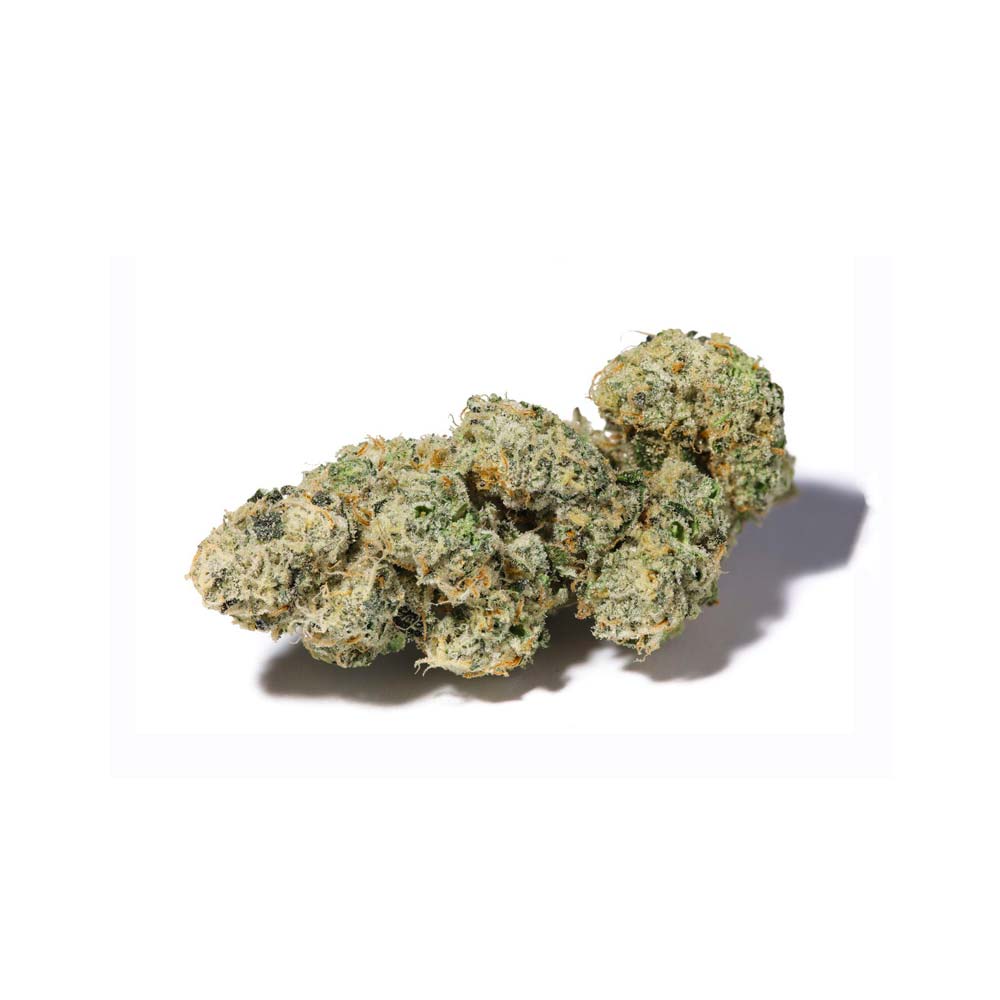

Crohn’s disease – a severe chronic inflammatory bowel disease. It progresses in episodes and leads to severe pain, diarrhea, weight loss and exhaustion for years. Many patients try medication, operations and immunosuppressants. But when nothing else works, there is sometimes only one last option: medical cannabis as a therapy. The whole conversation takes 30 minutes, so here is a brief summary of the most important points. Click here to return to the overview of cannabis studies and cannabis as a medicine for diseases.
What is Crohn’s disease: simply explained
Crohn’s disease attacks sections of the gastrointestinal tract, often the small and large intestine. Relapses cause inflammation, cramps, bleeding and severe weight loss. Medication is supposed to calm the symptoms – but it doesn’t work for everyone and can be an additional burden.
- Autoimmune inflammation in the intestine
- Severe pain and frequent relapses
- Treatment often long, difficult & frustrating
Sehira case study: 15 years of Crohn’s – hemp changes everything
The person in the video could hardly eat, even water caused pain. Medication no longer helped, side effects made everything worse. Then she tested cannabis as a medical product – and the effect was immediate.
“From 20 toilets a day to a maximum of five. Exactly what my body needed.”
Watch the video here:
- 15 years of Crohn’s disease relapses
- Extreme pain from food
- Cannabis → significant relief
Effect of THC and CBD: Why it helps many people
THC and CBD act via cannabinoid receptors in the intestine. They reduce inflammation, alleviate pain, relax muscles and lower stress reactions. Studies show benefits for MS, HIV and cancer – there is growing evidence for Crohn’s disease, but still few large-scale studies.
“Cannabinoids relieve pain, inhibit inflammation and can restore quality of life.”
- CBD → not intoxicating
- THC → antispasmodic & anti-inflammatory
- The combination of both is often the most effective
Supply situation in Switzerland: Why it remains difficult despite the benefits
Only around 5,500 patients currently have a medical cannabis license. The prerequisite is “out of therapy” – only if nothing else helps. Health insurance companies often refuse to cover the costs (ruling from 2025), even though cannabis would be significantly cheaper in comparison.
- CHF 7,000/month for standard medication
- CHF 400/month for cannabis – often privately
- Access only via special permit
Why progress is stalling: economics instead of medicine?
Pharmaceutical companies invest little because cannabis as a plant is hardly patentable. Clinical studies are lacking, although empirical data is strong. Experts suspect economic interests and regulatory friction.
- Evidence is growing, but slowly
- Industry hesitates with studies
- Access politically blocked
The future of therapy: cannabis in medicine will grow
New indoor facilities produce medical hemp, pharmacies regain manufacturing rights. THC/CBD oils, tinctures and sprays are being used more frequently – especially where painkillers, biologics or cortisone fail.
- Area coverage only just beginning
- Particularly promising for Crohn’s disease
- Patient reports clearly speak in favor of this