
The Cannabis Entourage Effect in the UK: Understanding How Cannabinoids and Terpenes Work Together
What is the Entourage Effect?
The entourage effect is a scientific hypothesis suggesting that cannabis compounds work synergistically, with each component enhancing or modulating the effects of others. Rather than individual cannabinoids like THC and CBD acting in isolation, they interact with terpenes (aromatic molecules) and other phytochemicals to create a more nuanced and potentially more therapeutic effect. This concept has gained significant traction in the UK’s medical cannabis community since the legalisation of cannabis-derived medicinal products in 2018.
The term was first coined by Israeli researcher Raphael Mechoulam in 1998, and since then, numerous studies have explored how cannabis compounds interact at a molecular level. The entourage effect represents a paradigm shift in how researchers and clinicians understand cannabis therapeutics, moving away from viewing it as a single-compound medicine towards understanding it as a complex botanical system.
Cannabinoids: The Primary Active Compounds
Cannabinoids are the primary psychoactive and therapeutic compounds in cannabis. The two most studied are tetrahydrocannabinol (THC) and cannabidiol (CBD). THC is responsible for the psychoactive “high” and has analgesic, anti-inflammatory, and anti-emetic properties. CBD, conversely, is non-intoxicating and shows promise for anxiety, epilepsy, and inflammation management.
However, cannabis contains over 100 identified cannabinoids, including cannabinol (CBN), cannabichromene (CBC), and cannabigerol (CBG). Each has distinct properties, and emerging research suggests they may work synergistically. For instance, CBN appears to enhance THC’s sedative effects, while CBD can modulate THC’s psychoactive intensity, potentially reducing anxiety and paranoia that some patients experience.
Terpenes: The Aromatic Modulators
Terpenes are volatile organic compounds responsible for cannabis’s distinctive aroma and flavour profile. Found abundantly in plants like pine, lemon, and hops, terpenes are not unique to cannabis but may play crucial roles in the plant’s therapeutic profile. Common cannabis terpenes include myrcene, limonene, pinene, and linalool.
Myrcene, often the most abundant terpene, has sedative and anti-inflammatory properties. Limonene provides a citrus scent and exhibits mood-elevating and anti-anxiety effects. Pinene enhances memory and alertness, while linalool offers calming and anti-anxiety benefits. Critically, these terpenes don’t merely provide flavour; evidence suggests they interact with cannabinoids and the human endocannabinoid system, potentially amplifying therapeutic benefits.
Key Point: The entourage effect proposes that a full-spectrum cannabis product containing multiple cannabinoids and terpenes delivers superior therapeutic outcomes compared to isolated single compounds.
Full-Spectrum vs. Isolate Products
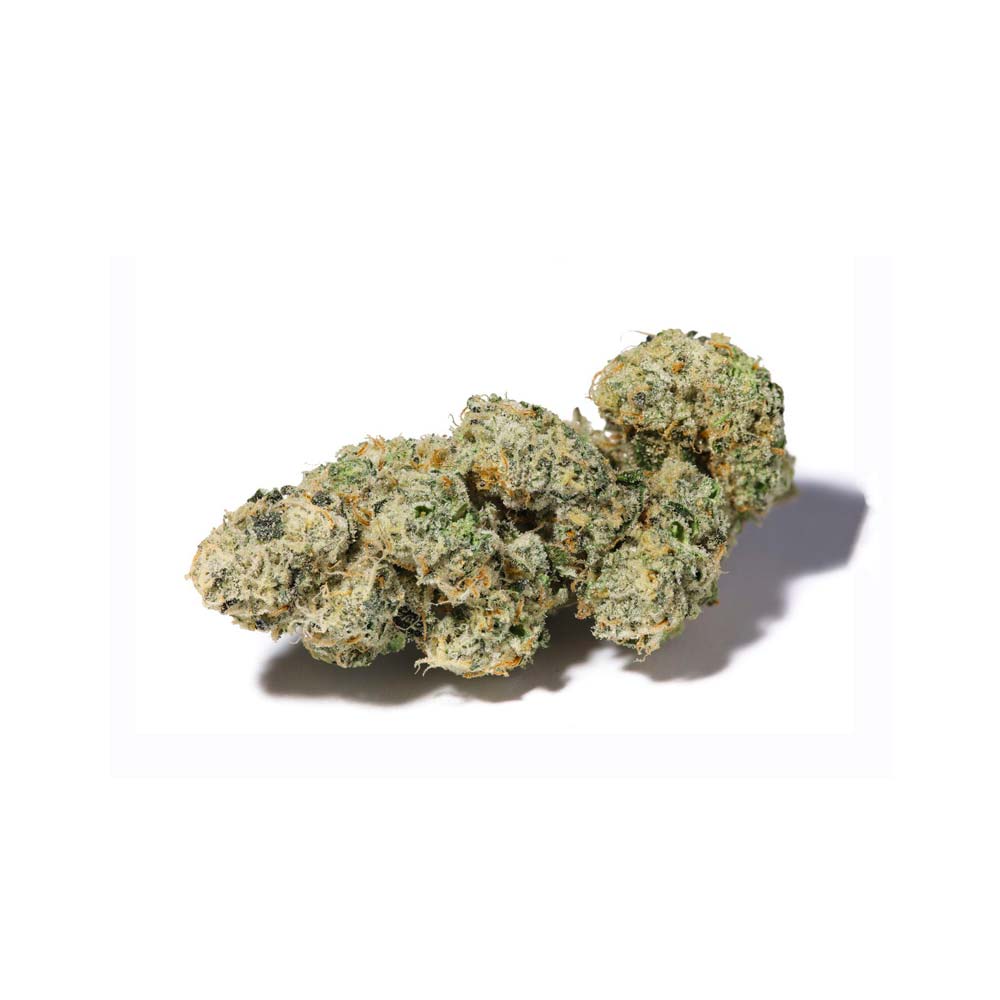
Full-spectrum cannabis products contain the complete plant profile: multiple cannabinoids, terpenes, flavonoids, and other plant compounds. These products retain the complex chemical matrix present in the original plant. Isolates, conversely, contain a single purified cannabinoid, typically CBD or THC, stripped of accompanying compounds.
The theoretical advantage of full-spectrum products lies in the entourage effect. A patient using full-spectrum CBD oil might experience superior anxiety relief compared to CBD isolate, thanks to supporting terpenes and other cannabinoids. However, full-spectrum products present challenges for UK patients: they may contain trace amounts of THC, raising regulatory and employment concerns, particularly for those subject to workplace drug testing.
Broad-spectrum products offer a middle ground, containing multiple cannabinoids and terpenes but with THC removed. These products attempt to harness the entourage effect while minimising legal and practical complications for UK patients.
Scientific Evidence for the Entourage Effect
While compelling, evidence for the entourage effect remains incomplete. A landmark 2011 study published in the British Journal of Pharmacology demonstrated that cannabis extracts containing multiple compounds showed superior anti-inflammatory effects compared to isolated THC or CBD. Studies on epilepsy have found that CBD-rich whole plant extracts performed better than pure CBD in some cases, suggesting other compounds enhance efficacy.
However, rigorous clinical trials directly comparing full-spectrum and isolate formulations remain limited. The UK’s regulatory framework, while permitting medical cannabis prescriptions, has created barriers to large-scale clinical research. Nonetheless, UK specialists like those at the National Institute for Health and Care Excellence (NICE) acknowledge the entourage effect concept, recognising that whole-plant formulations may offer advantages for certain patient populations.
Medical Relevance for UK Patients
For UK patients prescribed cannabis-based medicinal products, the entourage effect has practical implications. Conditions like chronic pain, epilepsy, and chemotherapy-related nausea may respond more effectively to full-spectrum products due to synergistic interactions. A patient with multiple symptoms might benefit from a formula where CBD addresses anxiety while complementary terpenes tackle inflammation and THC provides pain relief.
UK best UK cannabis clinics must balance theoretical benefits against regulatory constraints and individual patient circumstances. Full-spectrum products remain legally permissible when prescribed by NHS specialists or private clinicians registered with the General Medical Council, provided THC content meets legal standards. However, dosing and consistency can vary between batches, complicating clinical management.
Future Outlook
The entourage effect remains an active area of research with significant implications for UK medical cannabis policy. As evidence accumulates, the regulatory landscape may shift to favour whole-plant formulations for specific conditions. Standardisation of full-spectrum products, ensuring consistent cannabinoid and terpene profiles, represents a crucial challenge for UK pharmaceutical manufacturers.
Understanding the entourage effect empowers UK patients and clinicians to make informed decisions about cannabis-based treatments, recognising that cannabis is not simply THC or CBD, but a complex botanical medicine where the whole may indeed be greater than the sum of its parts.