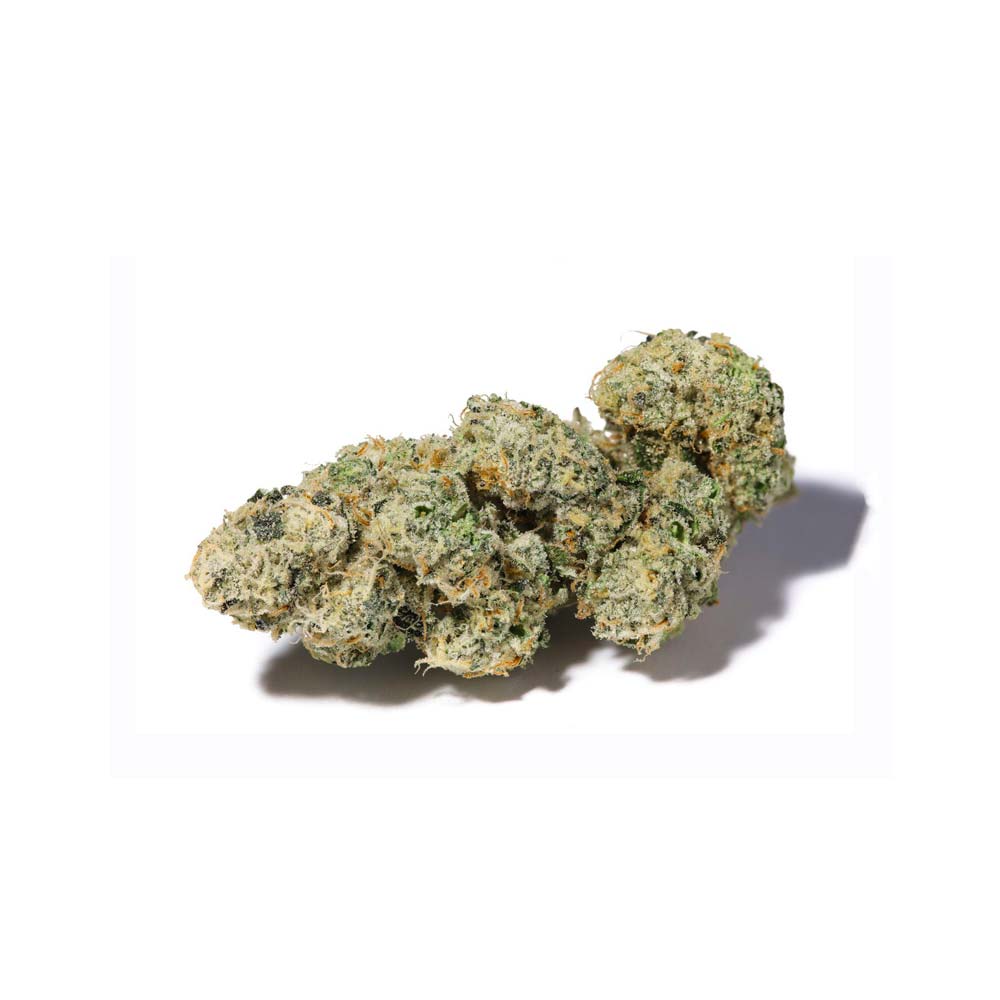
Medical Cannabis Side Effects UK: 20 FAQs Answered
Medical Cannabis Side Effects UK: 20 FAQs Answered
Medical cannabis is now legally prescribed in the UK under strict medical supervision, yet understanding its potential side effects remains crucial for patients considering this treatment option. This comprehensive FAQ guide addresses the most common concerns about medical cannabis safety and side effects for UK patients and healthcare providers.
Short-Term Side Effects
What are the most common short-term side effects of medical cannabis?
The most frequently reported short-term side effects include dizziness, dry mouth, drowsiness, and impaired concentration. Most patients experience mild symptoms that typically resolve within hours or improve with dose adjustment. These effects are generally considered manageable when cannabis is used under medical supervision.
Will medical cannabis make me drowsy during the day?
Drowsiness is a common side effect, particularly with higher CBD strains or when cannabis is taken in the evening. Taking your prescribed dose at bedtime can minimise daytime sedation, though individual responses vary significantly. Your prescribing clinic can adjust dosing schedules to fit your lifestyle and symptoms.
Can medical cannabis affect my appetite?
Yes, cannabis can both increase and decrease appetite depending on the strain and individual factors. THC tends to stimulate appetite, whilst CBD may have the opposite effect. If appetite changes are problematic, discuss this with your prescriber at your best cannabis clinics UK for potential adjustments.
Is dry mouth a serious side effect?
Dry mouth (xerostomia) is uncomfortable but not medically serious and can be managed with increased water intake, sugar-free sweets, or humidifiers. This side effect typically diminishes as your body adapts to the medication. Staying hydrated is the simplest preventative measure.
What are the long-term risks of medical cannabis use in the UK?
Long-term risks may include respiratory issues if smoked, potential impacts on cognitive function, and psychological dependence in some users. However, UK medical cannabis is typically prescribed as oils or vapes rather than smoked, reducing respiratory risks. Regular monitoring by your prescriber helps identify and manage any emerging issues.
Can long-term cannabis use damage my lungs?
Smoking cannabis can irritate the airways and potentially increase bronchitis risk over extended periods. The UK’s licensed medical cannabis products are supplied as oils, vaporisers, or flower for vaping—all methods that avoid the tar and combustion byproducts of smoking. Vaporising is considered safer than smoking for respiratory health.
Does medical cannabis increase cancer risk?
There is no conclusive evidence that medical cannabis use increases cancer risk when used appropriately. However, smoking any substance carries potential respiratory risks, which is why UK medical prescriptions favour vaporising or oral administration. Current research continues to monitor long-term outcomes in medical cannabis users.
Can cannabis affect my memory long-term?
Regular cannabis use may impact short-term memory and cognitive processing, though effects are often reversible upon cessation. Individual susceptibility varies, and CBD-dominant strains show fewer cognitive effects than high-THC products. Your prescriber can recommend strains and doses that minimise cognitive impact whilst maintaining therapeutic benefits.
Addiction and Dependence
Is medical cannabis addictive?
Cannabis can lead to psychological dependence in approximately 9% of users, though physical addiction is less common with medical-grade products used as prescribed. The risk is lower when cannabis is used therapeutically under medical supervision compared to recreational use. Discussing dependence concerns with your prescriber is important for safe long-term management.
What are the signs of cannabis dependence?
Signs include difficulty reducing use, withdrawal symptoms like irritability or sleep disruption when stopping, and continued use despite negative consequences. If you notice these patterns, inform your prescribing clinic immediately for support in adjusting your treatment plan. UK medical providers are experienced in managing dose reduction and alternative therapies.
Can I become dependent on prescribed medical cannabis?
Dependence is possible but less likely with medically supervised use, regular monitoring, and appropriate dosing compared to unregulated use. Your prescriber will regularly review whether cannabis remains the most suitable treatment and will help you safely manage or reduce use if needed. The structured approach of UK medical cannabis clinics significantly reduces dependence risk.
Mental Health Considerations
Can medical cannabis trigger or worsen anxiety?
THC can increase anxiety in some users, particularly at higher doses or in those with predispositions to anxiety disorders. CBD actually has anxiolytic properties and may help reduce anxiety. If anxiety emerges, inform your prescriber immediately—they can adjust your THC:CBD ratio to better suit your mental health needs.
Is there a risk of psychosis from medical cannabis?
High-THC cannabis carries a documented risk of triggering psychosis in vulnerable individuals, particularly those with personal or family history of psychotic disorders. UK prescribers carefully screen for these risk factors and typically recommend CBD-dominant strains for such patients. Regular mental health monitoring is part of responsible medical cannabis prescribing in the UK.
Can cannabis worsen depression?
Whilst some patients use cannabis to manage depressive symptoms, others experience worsening depression, particularly with THC-dominant products. CBD shows more promise for mood support without the depressant effects of high-THC strains. Your mental health status should be regularly reviewed by your prescriber to ensure cannabis remains beneficial.
Cannabinoid Hyperemesis Syndrome (CHS)
What is Cannabinoid Hyperemesis Syndrome (CHS)?
CHS is a rare condition characterised by severe, cyclical vomiting in chronic cannabis users, typically resolving within 24 hours of ceasing cannabis use. It’s more common in heavy recreational users than medical patients on controlled doses. If you experience unexplained severe vomiting whilst using medical cannabis, seek immediate medical attention.
How common is CHS in medical cannabis patients in the UK?
CHS is extremely rare in UK medical cannabis patients due to controlled dosing, medical supervision, and careful patient selection. Most reported cases involve heavy recreational use rather than therapeutic medical doses. Your prescriber monitors for any unusual symptoms that might suggest CHS development.
Drug Interactions and Contraindications
Can medical cannabis interact with my other medications?
Cannabis can interact with medications metabolised by the cytochrome P450 enzyme system, potentially increasing side effects of drugs like warfarin, statins, and certain antidepressants. Always provide your complete medication list to your prescriber before starting medical cannabis UK. Your clinic will assess interactions and may adjust dosing of other medications if necessary.
Is medical cannabis safe with blood pressure medications?
Cannabis may lower blood pressure, so combining it with blood pressure medications requires careful monitoring by your healthcare team. Your prescriber and GP must be informed so blood pressure can be regularly checked. Dose adjustments to either cannabis or blood pressure medication may be needed.
Driving and Safety
Can I legally drive after taking medical cannabis in the UK?
UK law prohibits driving with THC in your bloodstream above legal limits, regardless of prescription status. If your cannabis contains THC, you should not drive until you’re certain it no longer impairs your abilities—typically several hours after dosing. Discussing driving safety with your prescriber is essential; some patients use CBD-only products to maintain driving ability.
How long after taking cannabis can I safely drive?
This varies by individual, dose, and product composition, but typically waiting 6-8 hours after evening doses is prudent if taken at night. CBD-only products have minimal driving impact, whilst THC-containing products require longer waiting periods. Your prescriber can advise specifically based on your prescription and individual response.
Reproductive and Sexual Health
Can medical cannabis affect fertility or pregnancy?
Cannabis use during pregnancy is not recommended due to potential developmental risks, and some evidence suggests heavy use may affect male fertility. If you’re planning pregnancy or are pregnant, discuss alternatives with your prescriber at your get a prescription clinic. Women of childbearing age should use reliable contraception and inform healthcare providers of cannabis use.
Does medical cannabis affect sexual function?
Cannabis effects on sexual function are mixed—some users report improved libido and relaxation, whilst others experience decreased sexual interest or performance. These effects are often dose and individual-dependent, and may improve with dose adjustment. Discuss any sexual side effects confidentially with your prescriber for potential solutions.
What You Should Do Now
Understanding medical cannabis side effects is vital for safe, effective treatment. If you’re considering medical cannabis in the UK, consult with one of our best cannabis clinics UK to discuss your individual risk profile and optimal treatment approach. Your prescriber can provide personalised guidance on managing side effects whilst maximising therapeutic benefits for your specific condition.
Medical Disclaimer: The information on this page is for educational purposes only and does not constitute medical advice. Always consult a licensed healthcare professional before starting any new treatment.
We may request cookies to be set on your device. We use cookies to let us know when you visit our websites, how you interact with us, to enrich your user experience, and to customize your relationship with our website.
Click on the different category headings to find out more. You can also change some of your preferences. Note that blocking some types of cookies may impact your experience on our websites and the services we are able to offer.
Essential Website Cookies
These cookies are strictly necessary to provide you with services available through our website and to use some of its features.
Because these cookies are strictly necessary to deliver the website, refusing them will have impact how our site functions. You always can block or delete cookies by changing your browser settings and force blocking all cookies on this website. But this will always prompt you to accept/refuse cookies when revisiting our site.
We fully respect if you want to refuse cookies but to avoid asking you again and again kindly allow us to store a cookie for that. You are free to opt out any time or opt in for other cookies to get a better experience. If you refuse cookies we will remove all set cookies in our domain.
We provide you with a list of stored cookies on your computer in our domain so you can check what we stored. Due to security reasons we are not able to show or modify cookies from other domains. You can check these in your browser security settings.
Google Analytics Cookies
These cookies collect information that is used either in aggregate form to help us understand how our website is being used or how effective our marketing campaigns are, or to help us customize our website and application for you in order to enhance your experience.
If you do not want that we track your visit to our site you can disable tracking in your browser here:
Other external services
We also use different external services like Google Webfonts, Google Maps, and external Video providers. Since these providers may collect personal data like your IP address we allow you to block them here. Please be aware that this might heavily reduce the functionality and appearance of our site. Changes will take effect once you reload the page.
Google Webfont Settings:
Google Map Settings:
Google reCaptcha Settings:
Vimeo and Youtube video embeds:
Other cookies
The following cookies are also needed - You can choose if you want to allow them:
Privacy Policy
You can read about our cookies and privacy settings in detail on our Privacy Policy Page.