Cannabis Dosing for Cancer Patients UK: Pain & Nausea
Cannabis Dosing for Cancer Patients in the UK: A Practical Guide
Medical Disclaimer
This guide is for informational purposes only and does not constitute medical advice. Cannabis is a prescription medication in the UK and should only be used under the supervision of a registered healthcare professional. Always consult your oncologist, GP, or specialist cannabis prescriber before starting, adjusting, or stopping cannabis treatment. This guide is not a substitute for professional medical consultation.
Understanding Cancer Pain and Treatment-Related Side Effects
Cancer patients often experience significant pain and chemotherapy-induced nausea and vomiting (CINV), which can severely impact quality of life and treatment outcomes. Traditional medications such as opioids and anti-emetics are standard treatments, but some patients experience inadequate relief or intolerable side effects. Medical cannabis has shown promise in managing both cancer-related pain and CINV, particularly when conventional treatments are insufficient.
Cancer pain can be nociceptive (caused by tissue damage) or neuropathic (caused by nerve damage), and may persist despite conventional analgesia. Chemotherapy-induced nausea is a common side effect that can lead to reduced treatment adherence and nutritional decline. Research suggests that cannabinoids may offer complementary benefits when integrated into comprehensive cancer care.
UK Prescribing Approach: Start Low, Go Slow
The UK healthcare system adopts a cautious, evidence-based approach to cannabis prescribing in cancer care. The principle of “start low, go slow” is fundamental, meaning prescribers recommend beginning with low doses and increasing gradually based on individual response and tolerance.
This approach is particularly important for cancer patients because they may be taking multiple medications, experiencing significant physical stress, or have compromised liver or kidney function. Slow titration allows clinicians to identify the minimum effective dose while minimising potential side effects and drug interactions.
To learn more about obtaining a cannabis prescription in the UK, see our guide on getting a prescription. For comprehensive information about medical cannabis in the UK, consult our main resource.
Typical Dose Ranges for Cancer Patients
CBD (Cannabidiol)
CBD is non-intoxicating and is often used for pain and anxiety. Initial doses typically range from 5-10 mg daily, divided into two doses. Effective doses for cancer-related pain often range from 15-30 mg daily, though some patients require up to 50-100 mg daily. CBD is generally well-tolerated with minimal side effects, though it may interact with certain cancer medications that are metabolised by the cytochrome P450 enzyme system.
THC (Tetrahydrocannabinol)
THC is the primary psychoactive component and offers analgesic and anti-emetic properties. Cancer patients typically start with 2.5-5 mg of THC per dose, taken once or twice daily. Therapeutic doses often range from 10-20 mg daily, though some patients require up to 30 mg daily or more. THC should be started cautiously in elderly patients or those with a history of psychiatric conditions.
Balanced Products
Many prescribers recommend balanced CBD:THC products (often 1:1 ratios) for cancer pain and nausea, combining the benefits of both cannabinoids while potentially minimising THC-related psychoactive effects. Starting doses might be 2.5 mg THC with 2.5 mg CBD, twice daily, titrating upwards based on response.
Routes of Administration
Oromucosal Spray (Sublingual)
Oromucosal sprays are absorbed through the mouth lining, providing effects within 15-30 minutes. This route offers rapid symptom relief for breakthrough pain or nausea and allows precise dosing. A typical starting spray delivers 2.5 mg THC and 2.5 mg CBD per actuation.
Cannabis Oil
Oils taken sublingually or added to food offer flexible dosing and longer-lasting effects (2-4 hours). Oils are often preferred for consistent symptom management. Absorption can vary based on food intake and individual metabolism.
Capsules
Capsules provide standardised, discreet dosing but have slower onset (1-2 hours) and longer duration (4-6 hours). They’re suitable for baseline pain management rather than breakthrough symptoms.
Dried Flower (Vaporisation)
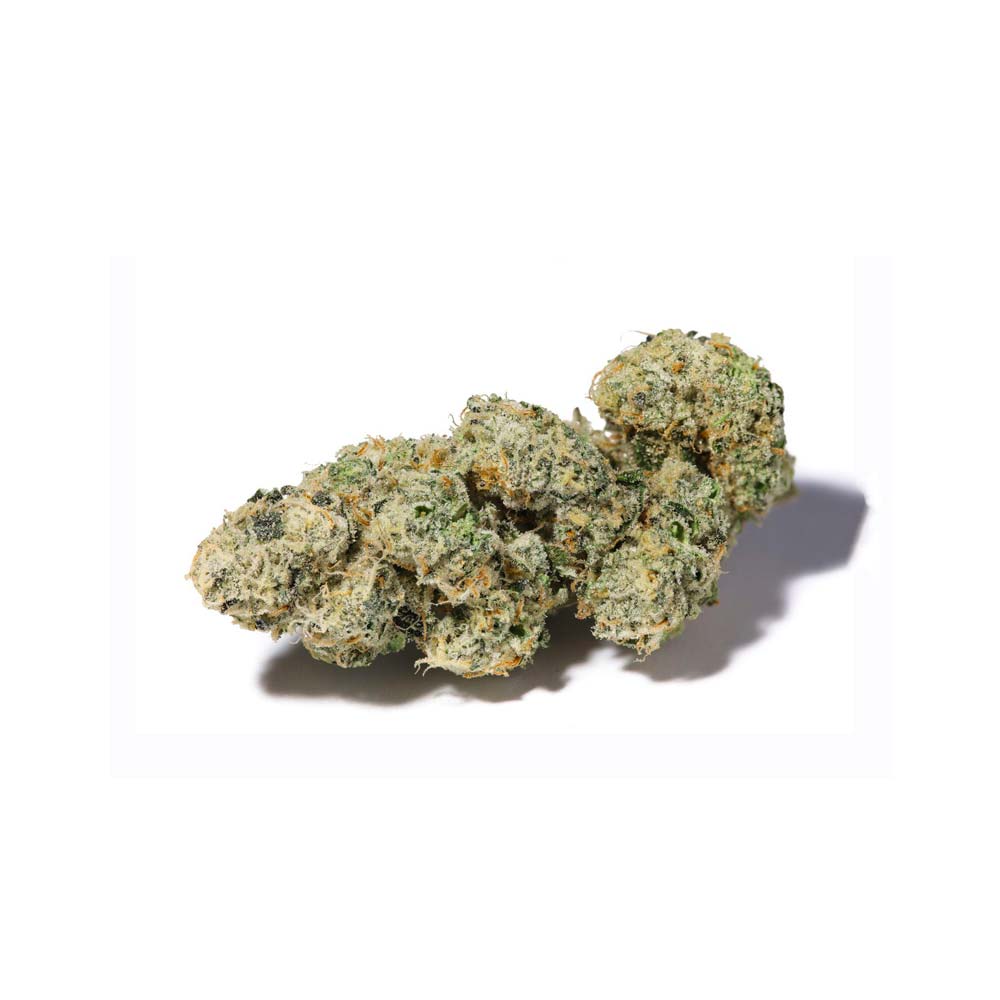
Vaporisation provides rapid symptom relief (5-15 minutes) but requires careful temperature control to minimise harmful compounds. Dosing can be less precise than other methods. Typical starting doses are 0.1-0.25 grams per session.
Titration Strategy for Cancer Patients
Titration should be gradual and carefully monitored. A typical schedule involves:
Week 1-2: Start with the lowest recommended dose once daily, preferably in the evening to assess tolerability
Week 2-3: If tolerated well, add a second daily dose or increase the dose by 25-50%
Week 3-4 onwards: Continue gradual increases every 7-14 days based on symptom response
Target dose: Aim to find the minimum effective dose for symptom control
Keep a symptom diary recording pain levels, nausea, side effects, and cannabis doses. This information is invaluable for your prescriber when optimising your treatment plan.
Interactions with Cancer Treatments
Cannabis can interact with several cancer medications. Key concerns include:
Cytochrome P450 inhibition: CBD and THC may inhibit CYP3A4 and other enzymes, potentially increasing levels of chemotherapy drugs like taxanes, vinca alkaloids, and targeted therapies
Anticoagulants: Cannabis may potentiate warfarin and other blood thinners
Opioids: Combined use may increase sedation and respiratory depression
Anti-emetics: Cannabis may have additive effects with conventional anti-nausea medications
Your prescriber must review your complete medication list before initiating cannabis treatment.
When to Contact Your Oncologist or Cannabis Prescriber
Seek immediate medical advice if you experience:
Severe dizziness, confusion, or hallucinations
Rapid or irregular heartbeat
Sudden worsening of pain or nausea despite dose increases
Significant mood changes or suicidal thoughts
Signs of allergic reaction
Also contact your healthcare team if you’re considering starting new medications, experiencing unexpected side effects, or have questions about dosing adjustments.
Legal Status in the UK
Medical cannabis is a prescription-only medication in the UK and is only legal when prescribed by a specialist clinician. Cannabis obtained through unlicensed channels is illegal. Prescriptions are typically issued by specialist cannabis services, oncologists, or GPs with relevant expertise. Always ensure your cannabis is obtained through legitimate NHS or private prescription channels.
Summary
Effective cannabis dosing in cancer care requires individualised, carefully monitored titration starting with low doses. Begin with 2.5-5 mg THC or 5-10 mg CBD daily, increasing gradually based on response. Work closely with your oncologist and cannabis prescriber, maintain detailed
https://cannazen.co.uk/wp-content/uploads/2026/01/cosmic-mac-cannabis-doctor-prescription-pharmacy-shop-blute.jpg10001000CannaZen UK Editorial Teamhttps://cannazen.co.uk/wp-content/uploads/2026/01/cannazen-shop-lieferung-cannabis-weed-hemp-online.svgCannaZen UK Editorial Team2026-05-15 10:47:342026-05-23 10:44:05Cannabis Dosing for Cancer Patients UK: Pain & Nausea
We may request cookies to be set on your device. We use cookies to let us know when you visit our websites, how you interact with us, to enrich your user experience, and to customize your relationship with our website.
Click on the different category headings to find out more. You can also change some of your preferences. Note that blocking some types of cookies may impact your experience on our websites and the services we are able to offer.
Essential Website Cookies
These cookies are strictly necessary to provide you with services available through our website and to use some of its features.
Because these cookies are strictly necessary to deliver the website, refusing them will have impact how our site functions. You always can block or delete cookies by changing your browser settings and force blocking all cookies on this website. But this will always prompt you to accept/refuse cookies when revisiting our site.
We fully respect if you want to refuse cookies but to avoid asking you again and again kindly allow us to store a cookie for that. You are free to opt out any time or opt in for other cookies to get a better experience. If you refuse cookies we will remove all set cookies in our domain.
We provide you with a list of stored cookies on your computer in our domain so you can check what we stored. Due to security reasons we are not able to show or modify cookies from other domains. You can check these in your browser security settings.
Google Analytics Cookies
These cookies collect information that is used either in aggregate form to help us understand how our website is being used or how effective our marketing campaigns are, or to help us customize our website and application for you in order to enhance your experience.
If you do not want that we track your visit to our site you can disable tracking in your browser here:
Other external services
We also use different external services like Google Webfonts, Google Maps, and external Video providers. Since these providers may collect personal data like your IP address we allow you to block them here. Please be aware that this might heavily reduce the functionality and appearance of our site. Changes will take effect once you reload the page.
Google Webfont Settings:
Google Map Settings:
Google reCaptcha Settings:
Vimeo and Youtube video embeds:
Other cookies
The following cookies are also needed - You can choose if you want to allow them:
Privacy Policy
You can read about our cookies and privacy settings in detail on our Privacy Policy Page.