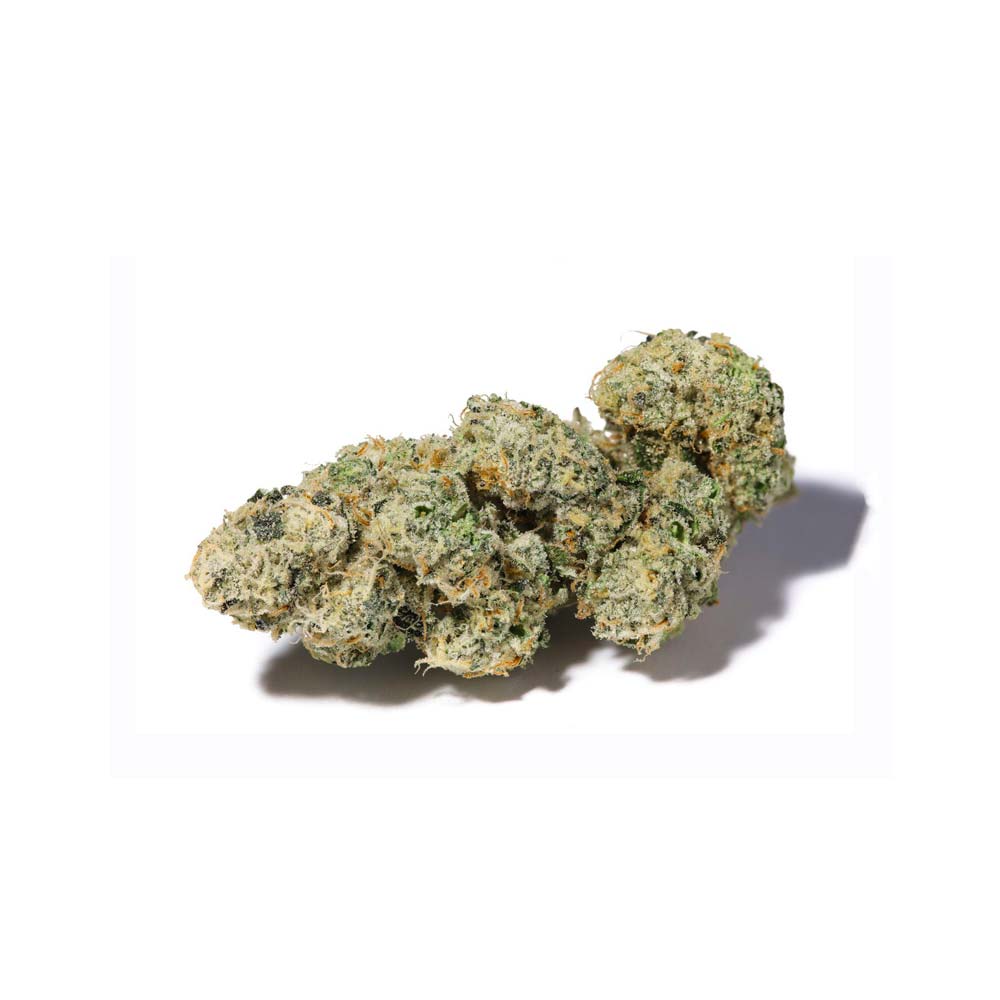
Medical cannabis oils represent a significant category within the broader spectrum of medical cannabis products available through UK pharmacies in 2025. These concentrated formulations offer patients a controlled, measured approach to cannabinoid administration, distinct from traditional flower-based products. Cannabis oils have emerged as a preferred option for many patients seeking consistent dosing, ease of administration, and specific cannabinoid profiles tailored to their medical conditions.
The UK pharmaceutical cannabis market has matured considerably, with NHS-regulated pathways and private clinic provisions ensuring patients have access to quality-assured products. Medical cannabis oils now constitute a cornerstone of legitimate therapeutic options, prescribed by specialist doctors and dispensed through registered pharmacies under Schedule 2 controlled drug regulations.
Types of Cannabis Oil Formulations
Medical cannabis oils available in UK pharmacies fall into three primary categories, each offering distinct therapeutic profiles and applications. Understanding these differences helps patients and clinicians select appropriate products for specific medical conditions.
Full-spectrum cannabis oils contain the complete range of cannabinoids, terpenes, and other plant compounds extracted from cannabis plants. This formulation preserves the “entourage effect,” where compounds work synergistically to enhance therapeutic outcomes. Full-spectrum oils typically contain both CBD and THC in varying ratios, alongside minor cannabinoids like CBN, CBC, and CBDV. These products are particularly valued for complex conditions requiring multi-faceted pharmacological support.
Broad-spectrum cannabis oils undergo additional processing to remove THC while retaining other cannabinoids and terpenes. This formulation appeals to patients requiring cannabinoid diversity without psychoactive effects, making it suitable for those concerned about THC content or requiring employment drug testing. The entourage effect remains present, though modified by THC removal.
Cannabis isolates consist of single purified cannabinoids, most commonly CBD. While offering precise cannabinoid dosing and eliminating drug test concerns, isolates lack the synergistic benefits of full-spectrum products. Isolates serve specific purposes, particularly for patients with THC sensitivities or those requiring exclusively CBD-based treatment regimens.
Several established manufacturers dominate the UK pharmaceutical cannabis oil market, each meeting stringent quality and regulatory standards required for pharmacy dispensing.
Curaleaf Therapeutics supplies multiple cannabis oil products through UK pharmacies, offering both full-spectrum and CBD-dominant formulations. Their oils typically feature consistent cannabinoid ratios and standardized extraction methods, appealing to clinicians seeking reliable, reproducible products for patient outcomes tracking.
Grow Pharma produces UK-cultivated cannabis oils, emphasizing domestic production standards and supply chain transparency. Their oils range from balanced CBD:THC ratios to THC-dominant formulations, catering to diverse patient requirements and clinical indications.
Khiron Life Sciences provides full-spectrum oils with established track records in treating neuropathic pain, epilepsy, and inflammatory conditions. Their products emphasize quality cultivation practices and rigorous testing protocols.
Aurora Cannabis, a major international producer, supplies pharmaceutical-grade oils meeting GMP standards. Aurora’s products feature consistent cannabinoid profiles and multiple concentration options, facilitating dosage customization for individual patient needs.
Additional manufacturers including Spectrum Therapeutics, tilray, and British Cannabis represent the evolving competitive landscape, each contributing distinctive product formulations and therapeutic approaches to the UK market.
Quality Indicators and Manufacturing Standards
Identifying quality cannabis oils requires understanding key manufacturing and testing parameters that distinguish pharmaceutical-grade products from unregulated alternatives.
Extraction methods significantly impact final product quality and cannabinoid profile. CO2 extraction, the most widely used method in pharmaceutical products, preserves cannabinoid integrity while eliminating solvents, producing clean, safe oils. Ethanol extraction represents an alternative approach, yielding full-spectrum products with excellent terpene retention. Substandard oils may employ hydrocarbon extraction or lack transparent methodology documentation.
Cannabinoid ratio precision reflects manufacturing sophistication and quality control. Pharmaceutical oils should display consistent CBD:THC ratios across batches, typically verified through third-party laboratory analysis. Reputable brands provide complete cannabinoid profiling including minor cannabinoids, ensuring clinicians understand exact therapeutic composition.
Third-party laboratory testing represents a non-negotiable quality indicator. All legitimate pharmaceutical cannabis oils dispensed through UK pharmacies undergo comprehensive analysis verifying cannabinoid content, residual solvents, pesticide absence, microbial contamination screening, and heavy metal detection. Batch-specific certificates of analysis should be readily available to patients and prescribing clinicians.
Accessing Medical Cannabis Oils in UK Pharmacies
Obtaining medical cannabis oils through legitimate UK pharmacy channels requires navigating specific regulatory pathways. Patients cannot purchase these Schedule 2 controlled medications without specialist prescription, distinct from CBD products available over-the-counter.
The initial step involves consulting specialists through NHS routes or private clinics. best UK cannabis clinics comprise numerous facilities qualified to assess patient suitability for cannabis-based medications. These consultations evaluate medical history, current medications, contraindications, and likelihood of therapeutic benefit.
Once a specialist issues a prescription for specific cannabis oil products, patients present prescriptions to registered pharmacies capable of dispensing Schedule 2 controlled drugs. Not all pharmacies stock cannabis medications; patients should confirm availability before appointment scheduling.
Costs and Pricing Considerations
Medical cannabis oil pricing in UK pharmacies varies substantially based on product type, cannabinoid concentration, and volume. Private clinic consultations typically cost between £150-£500, with subsequent review appointments at £100-£300. Prescription costs vary from £50-£200 monthly depending on dosage and oil concentration, representing additional expenditure beyond consultation fees.
NHS provision remains limited, with prescriptions available primarily for specific conditions including refractory epilepsy, chemotherapy-induced nausea, and multiple sclerosis-related spasticity. Most patients access cannabis oils through private prescribing, necessitating significant out-of-pocket expenditure.
Dosing and Administration Guidance
Cannabis oil administration requires careful dosage titration, typically beginning with minimal doses and gradually increasing until therapeutic effects manifest while minimizing adverse effects. Most oils are administered sublingually, held under the tongue for 30-60 seconds before swallowing, enabling efficient mucous membrane absorption.
Initial dosing often begins at 2.5-5mg THC equivalent daily, increasing by similar increments every 3-7 days according to patient tolerance and therapeutic response. Most patients stabilize at 10-20mg daily, though some require higher doses. Individual metabolism, body weight, and condition severity significantly influence appropriate dosing.
Cannabis Oils Versus Flower Products
Comparing cannabis oils against flower formulations reveals distinct advantages and disadvantages for specific patient populations and conditions. Oils provide superior dosing precision, consistent cannabinoid ratios, and simplified administration, making them preferable for elderly patients, those with respiratory conditions, or individuals requiring exact dose measurement. Flower products typically cost less, allow faster dose adjustment, and may appeal to patients preferring traditional administration methods.
For chronic pain management, oils provide sustained effects over 6-8 hours, supporting consistent symptom control. Epilepsy treatment often favors oils due to precise dosing requirements. Acute symptom management may benefit from flower’s more rapid onset, though oils’ extended duration suits maintenance therapy.
Conclusion
Medical cannabis oils represent legitimate pharmaceutical options for UK patients with qualifying conditions. Understanding product types, quality markers, and access pathways enables informed decision-making within the regulatory framework. Consultation with specialists and prescribing clinicians remains essential for safe, effective therapy optimization.
Medical Disclaimer: The information on this page is for educational purposes only and does not constitute medical advice. Always consult a licensed healthcare professional before starting any new treatment.
https://cannazen.co.uk/wp-content/uploads/2026/01/cosmic-mac-cannabis-doctor-prescription-pharmacy-shop-blute.jpg10001000CannaZen UK Editorial Teamhttps://cannazen.co.uk/wp-content/uploads/2026/01/cannazen-shop-lieferung-cannabis-weed-hemp-online.svgCannaZen UK Editorial Team2026-05-15 10:47:062026-05-23 10:44:04Medical Cannabis Oil Brands in UK Pharmacies
Medical Cannabis Oil Brands in UK Pharmacies 2025
Medical Cannabis Oil in UK Pharmacies: A 2025 Guide
Medical cannabis oil has become an increasingly accessible treatment option for patients in the United Kingdom, with several pharmaceutical-grade brands now available through licensed dispensaries. As of 2025, the market for prescribed cannabis oils continues to expand, offering patients multiple choices with varying cannabinoid profiles and quality standards. This guide provides comprehensive information about the medical cannabis oil products available, how to access them, and what patients should consider when exploring this treatment avenue.
Understanding Cannabis Oil Types and Formulations
Medical cannabis oils dispensed in UK pharmacies come in three primary categories, each with distinct characteristics and therapeutic applications. Full-spectrum oils contain the complete range of cannabinoids, terpenes, and other plant compounds from the cannabis plant, including THC and CBD in varying ratios. This formulation is believed to produce what researchers call the “entourage effect,” where compounds work synergistically to enhance therapeutic benefits.
Broad-spectrum oils contain multiple cannabinoids and terpenes but have had THC removed or reduced to minimal levels, making them suitable for patients concerned about psychoactive effects or those subject to workplace drug testing. CBD isolate products contain purely isolated cannabidiol without other plant compounds, offering a standardised dosing experience but potentially without the synergistic benefits of full-spectrum formulations.
Patients working with healthcare providers at best best UK cannabis clinicss UK will typically receive guidance on which formulation type best suits their specific condition and medical history.
Major Medical Cannabis Oil Brands Available in UK Pharmacies
Curaleaf, one of North America’s largest cannabis operators, supplies several oil products to UK pharmacies. Their offerings typically include both THC-dominant and CBD-dominant formulations with clearly documented cannabinoid profiles. Curaleaf oils are dispensed through licensed pharmacies with proper Schedule 2 prescriptions.
Grow Pharma, a UK-based cultivator and manufacturer, produces medical-grade cannabis oils with rigorous quality control standards. Their products are developed specifically for the UK market and undergo extensive testing. Grow Pharma offers various cannabinoid ratios tailored to different patient needs, from high-CBD formulations to balanced THC:CBD products.
Khiron operates as a vertically integrated medical cannabis company with products available through UK pharmacies. Their oils are produced under pharmaceutical manufacturing standards and include detailed dosing guidance. Khiron products often appeal to patients seeking consistency and established quality assurance protocols.
Aurora, a Canadian licensed producer, supplies medical cannabis oils to UK dispensaries. Aurora oils are known for standardised cannabinoid content and stable supply chains. Their products range from CBD-focused formulations to THC-dominant options depending on patient requirements.
Additional brands becoming available include Medcan, Tilray, and various smaller specialised producers. The specific brands available may vary by pharmacy and region, as medical cannabis in the UK operates through a regulated network of licensed dispensaries rather than widespread retail availability.
Quality Indicators and Manufacturing Standards
When evaluating medical cannabis oils, patients should examine several quality markers. Extraction method significantly impacts final product quality; supercritical CO2 extraction is considered a gold standard in pharmaceutical cannabis production, preserving beneficial compounds while eliminating solvents. Some producers use ethanol extraction, which is also acceptable when properly executed and verified.
Third-party laboratory testing is essential. Reputable UK pharmaceutical cannabis oils provide certificates of analysis confirming cannabinoid content, terpene profiles, and screening for contaminants including pesticides, heavy metals, and microbial pathogens. Patients should verify that testing was conducted by independent laboratories rather than manufacturer-affiliated facilities.
Cannabinoid ratio consistency matters for treatment efficacy. Products should clearly state CBD and THC percentages, allowing patients and best UK cannabis clinicss to make informed dosing decisions. Batch-to-batch consistency indicates rigorous manufacturing controls.
Accessing Medical Cannabis Oils in the UK
Medical cannabis oils require a Schedule 2 prescription from a registered medical practitioner. General practitioners in England can prescribe cannabis-based medicinal products, though many patients access these treatments through specialist best UK cannabis clinicss that have expertise in dosing and patient monitoring. These clinics evaluate whether cannabis therapy is appropriate for individual conditions and manage the prescription process.
Once prescribed, patients obtain their oils from licensed pharmacies operating as designated dispensaries. The pharmacy typically handles supply chain verification and storage under appropriate conditions. Patients receive detailed instructions on administration, dosing schedules, and monitoring for therapeutic effects and adverse reactions.
Cost and Dosing Considerations
Medical cannabis oils in UK pharmacies typically range from £150 to £400 monthly, depending on dosage requirements and specific product selected. Some patients access oils through private prescriptions with costs ranging higher, while others may find NHS coverage through specific pathways, though this remains limited outside established indications.
Dosing is highly individualised, beginning with low starting doses—often 1-2 mg THC or equivalent—and gradually increasing based on therapeutic response and tolerability. A 5ml bottle typically contains 25-100 doses depending on concentration. Treatment plans usually involve regular check-ins to assess efficacy and adjust dosing as needed.
Cannabis Oils Versus Flower Products
Cannabis oils offer distinct advantages over dried flower in certain contexts. Oils provide precise, consistent dosing without the respiratory considerations associated with smoking or vaporising. They’re convenient for discreet administration and suitable for patients with respiratory contraindications.
Dried flower may be preferred by some patients for its faster onset of effects when vaporised and the broader sensory feedback some individuals report. The choice between oils and flowers depends on individual condition, lifestyle, tolerability, and best UK cannabis clinics recommendations.
Administration and Practical Guidance
Medical cannabis oils are typically administered sublingually—under the tongue—where mucous membranes absorb cannabinoids efficiently. Effects typically begin within 15-45 minutes and peak around 2-4 hours. Some patients add oils to food or beverages, which delays onset but may provide extended effects.
Storage requires cool, dark conditions to preserve cannabinoid integrity and prevent degradation. Most oils remain stable for 12-24 months when properly stored. Patients should keep detailed dosing records to track therapeutic effects and communicate findings with their prescribing clinician.
Conclusion
Medical cannabis oils represent a pharmaceutical treatment option for eligible UK patients, with multiple established brands meeting rigorous quality standards. Proper access requires consultation with qualified best UK cannabis clinicss, adherence to regulatory requirements, and ongoing monitoring. As the market matures and clinical evidence expands, patients have increasingly informed choices available for managing various conditions through this specialised treatment modality.
Medical Disclaimer: The information on this page is for educational purposes only and does not constitute medical advice. Always consult a licensed healthcare professional before starting any new treatment.
https://cannazen.co.uk/wp-content/uploads/2026/01/cosmic-mac-cannabis-doctor-prescription-pharmacy-shop-blute.jpg10001000CannaZen UK Editorial Teamhttps://cannazen.co.uk/wp-content/uploads/2026/01/cannazen-shop-lieferung-cannabis-weed-hemp-online.svgCannaZen UK Editorial Team2026-05-15 10:45:222026-05-15 11:16:04Medical Cannabis Oil Brands in UK Pharmacies 2025
We may request cookies to be set on your device. We use cookies to let us know when you visit our websites, how you interact with us, to enrich your user experience, and to customize your relationship with our website.
Click on the different category headings to find out more. You can also change some of your preferences. Note that blocking some types of cookies may impact your experience on our websites and the services we are able to offer.
Essential Website Cookies
These cookies are strictly necessary to provide you with services available through our website and to use some of its features.
Because these cookies are strictly necessary to deliver the website, refusing them will have impact how our site functions. You always can block or delete cookies by changing your browser settings and force blocking all cookies on this website. But this will always prompt you to accept/refuse cookies when revisiting our site.
We fully respect if you want to refuse cookies but to avoid asking you again and again kindly allow us to store a cookie for that. You are free to opt out any time or opt in for other cookies to get a better experience. If you refuse cookies we will remove all set cookies in our domain.
We provide you with a list of stored cookies on your computer in our domain so you can check what we stored. Due to security reasons we are not able to show or modify cookies from other domains. You can check these in your browser security settings.
Google Analytics Cookies
These cookies collect information that is used either in aggregate form to help us understand how our website is being used or how effective our marketing campaigns are, or to help us customize our website and application for you in order to enhance your experience.
If you do not want that we track your visit to our site you can disable tracking in your browser here:
Other external services
We also use different external services like Google Webfonts, Google Maps, and external Video providers. Since these providers may collect personal data like your IP address we allow you to block them here. Please be aware that this might heavily reduce the functionality and appearance of our site. Changes will take effect once you reload the page.
Google Webfont Settings:
Google Map Settings:
Google reCaptcha Settings:
Vimeo and Youtube video embeds:
Other cookies
The following cookies are also needed - You can choose if you want to allow them:
Privacy Policy
You can read about our cookies and privacy settings in detail on our Privacy Policy Page.