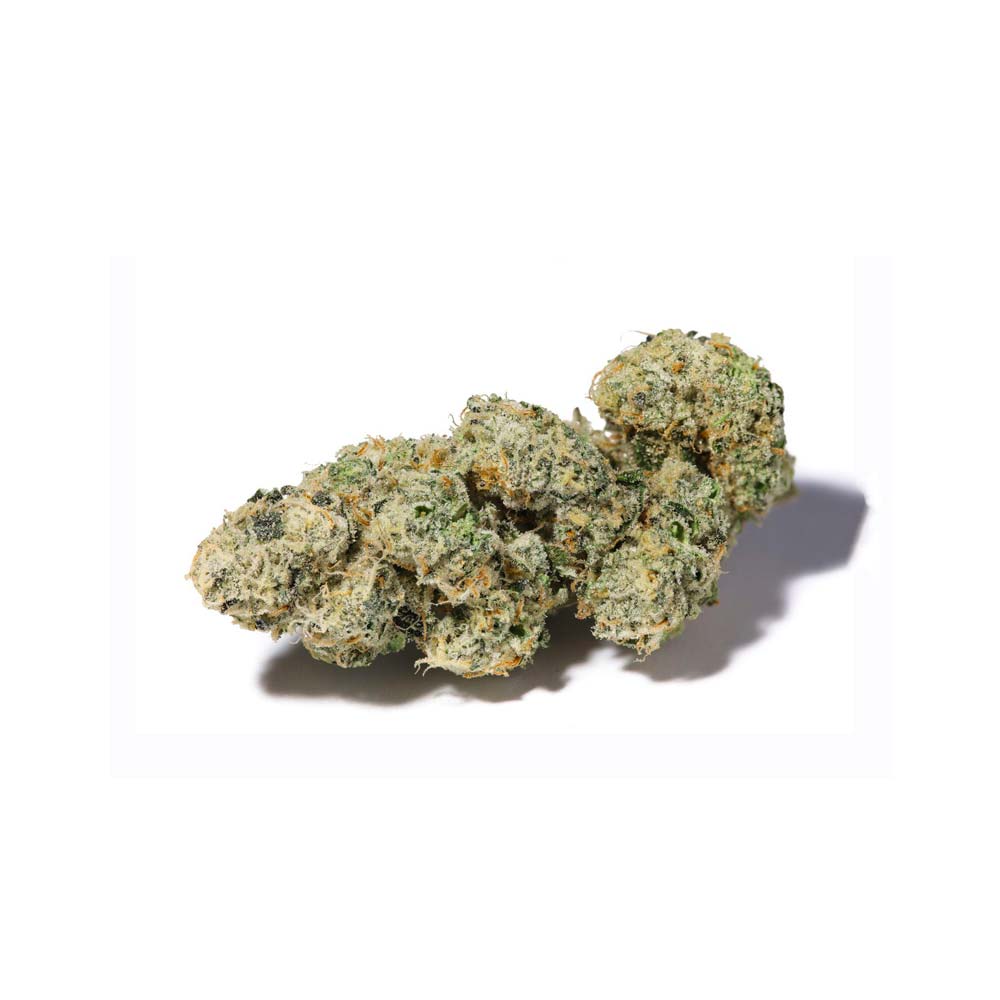
Medical Cannabis for Opioid Reduction UK: Patient Guide
Medical Cannabis for Opioid Reduction: A UK Patient Guide
The Opioid Crisis in the United Kingdom
The United Kingdom faces a significant public health challenge with opioid-related deaths reaching unprecedented levels. In recent years, opioid overdose deaths have increased substantially, with heroin and prescription opioids contributing to mortality rates that now rival those in North America. Beyond fatal overdoses, chronic opioid use creates additional problems including dependency, constipation, cognitive impairment, and reduced quality of life for thousands of patients managing chronic pain conditions.
Prescription opioids remain widely used for chronic pain management despite growing evidence of their limitations and risks. Many patients find themselves trapped in a cycle of increasing doses without corresponding improvements in pain control or function. This situation has prompted healthcare professionals to explore alternative and complementary therapies that might reduce opioid dependence while improving patient outcomes.
Evidence for Medical Cannabis as an Opioid-Sparing Treatment
Emerging research demonstrates that medical cannabis may play a valuable role in reducing opioid consumption. Multiple studies indicate that patients who introduce medical cannabis UK into their pain management regimen often achieve significant reductions in opioid doses while maintaining or improving pain control and overall quality of life.
The evidence base suggests several mechanisms through which cannabis may reduce opioid requirement:
Direct analgesic effects through cannabinoid receptors in the nervous system
Reduction of neuropathic pain through anti-inflammatory pathways
Improvement in sleep quality, reducing pain perception
Reduction of anxiety associated with chronic pain conditions
Synergistic effects when combined with lower opioid doses
UK-based research and data from clinical services show that approximately 60-70% of patients attempting opioid reduction with medical cannabis support achieve meaningful dose reductions of 30% or more. Some patients successfully discontinue opioids entirely, though this requires careful medical supervision and gradual tapering.
Discussing Opioid Reduction with Your GP or Specialist
Initiating a conversation about opioid reduction with your healthcare provider requires preparation and realistic expectations. Many GPs have limited experience with medical cannabis but are increasingly open to discussing evidence-based alternatives for pain management.
When speaking with your GP or pain specialist, consider:
Bringing research evidence about cannabis and opioid reduction from reputable sources
Clearly expressing your concerns about current opioid doses and side effects
Requesting a referral to a best UK cannabis clinics or pain specialist experienced in medical cannabis
Discussing your willingness to participate in a structured tapering programme
Asking about local NHS services or authorised private clinics specialising in this area
Your GP may not be able to prescribe medical cannabis directly but should support your access to specialist services. If your GP is reluctant, you have the right to request a referral to secondary care or seek private consultation with an authorised specialist.
Safely Tapering Opioids with Cannabis Support
Opioid tapering must always be gradual and medically supervised. Rapid reduction or cessation can result in withdrawal symptoms and increased pain. A typical opioid reduction programme with medical cannabis follows these principles:
Establish baseline pain levels and opioid requirements
Begin medical cannabis at appropriate dosing for your condition
Allow 4-6 weeks for cannabis to reach therapeutic effect
Gradually reduce opioid doses by 10-25% every 2-4 weeks
Monitor pain control, side effects, and withdrawal symptoms throughout
Adjust reduction pace based on individual response
Continue regular contact with supervising healthcare provider
The timeline for opioid reduction varies significantly between individuals. Some patients achieve substantial reductions within 3-6 months, while others require 12 months or longer. Patience and consistent monitoring are essential for success.
UK Clinics Specialising in Opioid Reduction
Several NHS services and authorised private clinics now offer specialised opioid reduction programmes incorporating medical cannabis. When seeking treatment, look for services that offer:
Experienced doctors trained in cannabis prescribing
Structured opioid tapering protocols
Comprehensive pain assessment and monitoring
Psychological support for managing pain and withdrawal
Regular review appointments and dose adjustments
To find the best UK cannabis clinics in your area offering opioid reduction support, consult the General Medical Council register of authorised best UK cannabis clinics or request specialist referral through your GP.
Patient Experiences and Real-World Outcomes
Many UK patients report significantly improved quality of life following opioid reduction with medical cannabis. Common positive outcomes include improved sleep, better cognitive function, reduced constipation, increased mobility, and better pain control at lower total medication doses. Patients also frequently report improved mood and better engagement with family and work life.
However, experiences vary individually. Some patients find cannabis provides excellent pain relief and opioid reduction support, while others experience less benefit. Individual factors including pain condition type, opioid tolerance, cannabis strain responsiveness, and psychological factors influence outcomes.
Risks and Precautions
Medical cannabis is not without risks. Potential considerations include:
Cannabis dependence, though generally less severe than opioid dependence
Cognitive and memory effects with regular THC use
Impaired driving ability during treatment adjustment periods
Interactions with other medications
Mental health considerations in susceptible individuals
Pregnancy and breastfeeding contraindications
Comprehensive assessment by an experienced healthcare provider ensures medical cannabis is appropriate for your circumstances and that any risks are minimised through careful dosing and monitoring.
NHS versus Private Treatment Pathways
NHS medical cannabis access remains limited, with availability restricted to specific conditions and through designated services. Private authorised clinics offer more accessible routes but involve significant costs ranging from £300-1000+ depending on treatment and clinics. NHS pathways, where available, provide free treatment but often longer waiting lists.
Project Twenty21 Data on Opioid Reduction
Project Twenty21, a major UK research initiative, has provided valuable data on medical cannabis efficacy including specific opioid reduction outcomes. The project’s findings consistently demonstrate that patients using medical cannabis experience meaningful opioid reductions, with the majority achieving 30% or greater dose reductions and many discontinuing opioids entirely.
This real-world evidence has significantly strengthened the case for medical cannabis as a legitimate opioid-sparing treatment option within UK healthcare.
Medical Disclaimer: The information on this page is for educational purposes only and does not constitute medical advice. Always consult a licensed healthcare professional before starting any new treatment.
We may request cookies to be set on your device. We use cookies to let us know when you visit our websites, how you interact with us, to enrich your user experience, and to customize your relationship with our website.
Click on the different category headings to find out more. You can also change some of your preferences. Note that blocking some types of cookies may impact your experience on our websites and the services we are able to offer.
Essential Website Cookies
These cookies are strictly necessary to provide you with services available through our website and to use some of its features.
Because these cookies are strictly necessary to deliver the website, refusing them will have impact how our site functions. You always can block or delete cookies by changing your browser settings and force blocking all cookies on this website. But this will always prompt you to accept/refuse cookies when revisiting our site.
We fully respect if you want to refuse cookies but to avoid asking you again and again kindly allow us to store a cookie for that. You are free to opt out any time or opt in for other cookies to get a better experience. If you refuse cookies we will remove all set cookies in our domain.
We provide you with a list of stored cookies on your computer in our domain so you can check what we stored. Due to security reasons we are not able to show or modify cookies from other domains. You can check these in your browser security settings.
Google Analytics Cookies
These cookies collect information that is used either in aggregate form to help us understand how our website is being used or how effective our marketing campaigns are, or to help us customize our website and application for you in order to enhance your experience.
If you do not want that we track your visit to our site you can disable tracking in your browser here:
Other external services
We also use different external services like Google Webfonts, Google Maps, and external Video providers. Since these providers may collect personal data like your IP address we allow you to block them here. Please be aware that this might heavily reduce the functionality and appearance of our site. Changes will take effect once you reload the page.
Google Webfont Settings:
Google Map Settings:
Google reCaptcha Settings:
Vimeo and Youtube video embeds:
Other cookies
The following cookies are also needed - You can choose if you want to allow them:
Privacy Policy
You can read about our cookies and privacy settings in detail on our Privacy Policy Page.