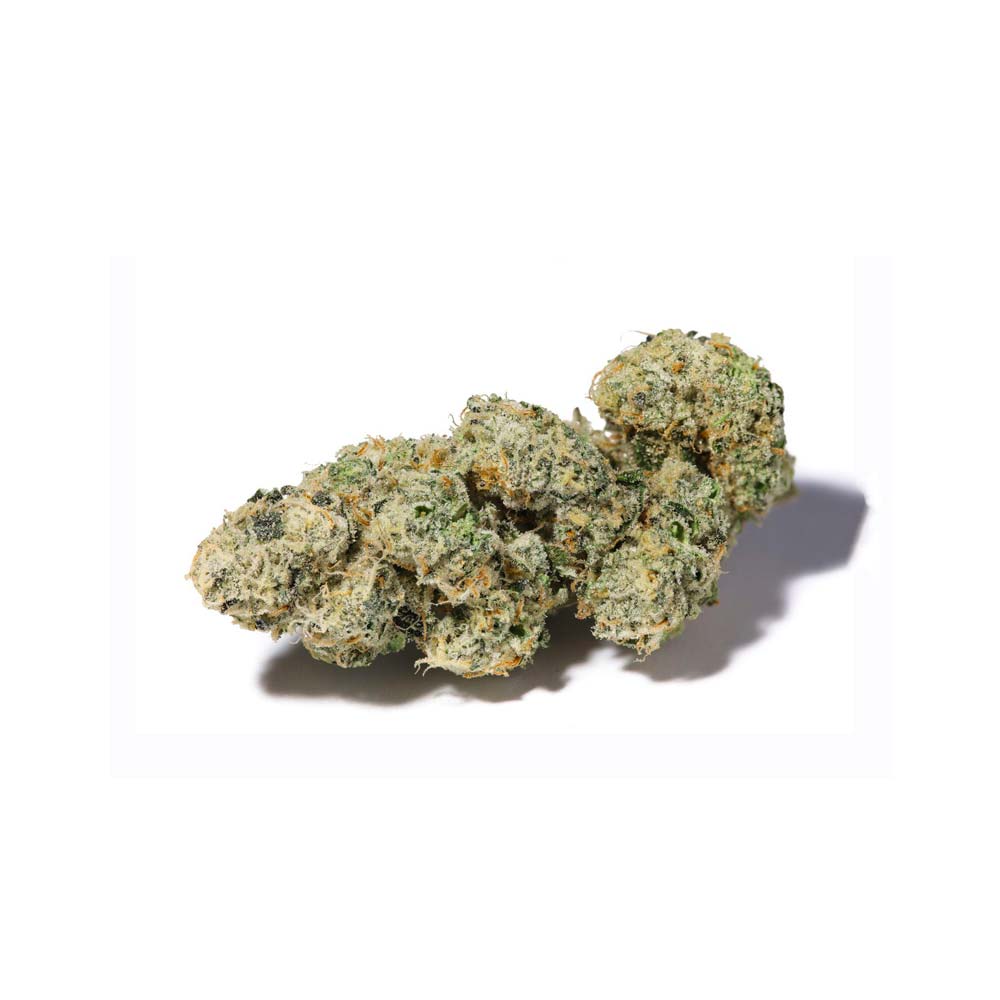
Medical Cannabis in Northern Ireland: What Patients Need to Know
Medical Cannabis in Northern Ireland: A Complex Legal Landscape
Northern Ireland occupies a unique position within the United Kingdom regarding medical cannabis access. Whilst UK law technically applies across all constituent nations, the practical implementation of cannabis regulations in Northern Ireland differs significantly from other regions, particularly due to the island’s proximity to the Republic of Ireland, which operates under entirely separate legislation.
UK Law Framework in Northern Ireland
Medical cannabis remains a Schedule 2 controlled drug under UK law, which applies throughout Northern Ireland. Since 2018, specialist doctors have legally prescribed cannabis-based medicinal products (CBMPs) for specific conditions, including intractable epilepsy, chemotherapy-induced nausea and vomiting, and multiple sclerosis-related spasticity. However, this theoretical availability masks significant practical barriers for Northern Ireland residents seeking treatment.
The NHS in Northern Ireland has been notably cautious in implementing these provisions. Very few prescriptions have been issued through the public health system compared to England and Scotland, creating a substantial gap between legal permission and actual accessibility. This reluctance stems from various factors, including concerns about establishing robust governance frameworks and limited clinical experience with cannabis-based treatments in the Northern Irish context.
Northern Ireland’s location on the island of Ireland creates understandable confusion amongst patients. The Republic of Ireland operates under completely different legislation, with cannabis remaining largely prohibited except in extremely limited circumstances. This means that despite living close to the border, Northern Ireland residents cannot legally access Irish dispensaries or treatments. The two jurisdictions maintain separate legal systems, and products purchased in one country cannot be legally transported across the border.
Some patients have expressed frustration about this geographical paradox, particularly since the Republic of Ireland may eventually establish more liberal medical cannabis regulations. However, currently, patients cannot rely on cross-border access as a practical solution.
The limited availability through NHS channels has created opportunities for private medical best UK cannabis clinics. Several UK-based private clinics now accept Northern Ireland patients through telemedicine consultations. These clinics typically conduct comprehensive assessments before prescribing cannabis-based medicinal products, provided patients have previously tried conventional treatments without adequate relief.
Accessing private clinics requires substantial personal funding, as these services are not covered by NHS Northern Ireland. Consultation fees typically range from £150 to £400, with prescriptions costing between £200 and £1,000 monthly depending on the product and dosage. This financial barrier means private access remains unavailable to many who might benefit from treatment.
Northern Ireland’s Unique Healthcare System
Northern Ireland operates Health and Social Care, a devolved system differing from the NHS in England. This structure means decisions about cannabis provision are made by the Northern Ireland Department of Health rather than Westminster. Consequently, Northern Ireland has followed a more cautious pathway than some English regions regarding medical cannabis implementation.
The healthcare system’s conservative approach reflects various factors, including resource constraints and concerns about establishing appropriate safeguarding protocols. Unlike England, where several NHS regional specialised commissioning groups have actively integrated medical cannabis provision, Northern Ireland has not developed comparable structures, leaving gaps in publicly funded access.
Political Landscape and Reform Discussions
Northern Ireland’s political environment significantly influences drug policy discussions. The region’s unique political composition, with representatives from both unionist and nationalist traditions, creates distinctive dynamics around legislation. Cannabis reform has not emerged as a major political priority, particularly given competing policy concerns.
However, public opinion surveys suggest growing support for medical cannabis access amongst Northern Ireland residents, mirroring broader UK trends. Patient advocacy groups continue pressing for NHS reforms that would enable easier prescribing, and some healthcare professionals have called for clearer guidance and training around medical cannabis use.
Recent discussions in the Northern Ireland Assembly have touched upon medical cannabis, with some representatives questioning why provision lags behind other UK nations. These conversations remain preliminary, but they indicate increasing recognition that current arrangements may not adequately serve patients’ needs.
Practical Guide for Northern Ireland Patients
Patients seeking medical cannabis treatment in Northern Ireland should first consult their GP about conventional treatment options. Whilst GPs cannot prescribe cannabis-based medicinal products, they can provide referrals to specialists who might consider such treatment appropriate.
NHS referral pathways remain limited but exist. Patients should ask specifically about access to specialist consultants experienced with cannabis-based medicines. Depending on their condition and circumstances, they may eventually access treatment through the health service, though waiting times can be lengthy.
For those unable to access NHS treatment, private clinics offer alternatives. Researching clinic reputation, ensuring practitioners are registered healthcare professionals, and understanding costs beforehand are essential steps. Patients should also ensure they understand import regulations when obtaining products prescribed privately.
Documentation remains crucial. Patients should maintain comprehensive records of treatments tried, symptom progression, and clinical rationale for pursuing cannabis-based therapy. This documentation supports both private clinic consultations and potential future NHS applications.
Finally, patients should stay informed about regulatory developments, both domestically and within broader UK policy discussions, as the landscape continues evolving.
Medical Disclaimer: The information on this page is for educational purposes only and does not constitute medical advice. Always consult a licensed healthcare professional before starting any new treatment.
https://cannazen.co.uk/wp-content/uploads/2026/01/cosmic-mac-cannabis-doctor-prescription-pharmacy-shop-blute.jpg10001000CannaZen UK Editorial Teamhttps://cannazen.co.uk/wp-content/uploads/2026/01/cannazen-shop-lieferung-cannabis-weed-hemp-online.svgCannaZen UK Editorial Team2026-05-14 21:30:462026-05-23 10:44:04Medical Cannabis in Northern Ireland: What Patients Need to Know
We may request cookies to be set on your device. We use cookies to let us know when you visit our websites, how you interact with us, to enrich your user experience, and to customize your relationship with our website.
Click on the different category headings to find out more. You can also change some of your preferences. Note that blocking some types of cookies may impact your experience on our websites and the services we are able to offer.
Essential Website Cookies
These cookies are strictly necessary to provide you with services available through our website and to use some of its features.
Because these cookies are strictly necessary to deliver the website, refusing them will have impact how our site functions. You always can block or delete cookies by changing your browser settings and force blocking all cookies on this website. But this will always prompt you to accept/refuse cookies when revisiting our site.
We fully respect if you want to refuse cookies but to avoid asking you again and again kindly allow us to store a cookie for that. You are free to opt out any time or opt in for other cookies to get a better experience. If you refuse cookies we will remove all set cookies in our domain.
We provide you with a list of stored cookies on your computer in our domain so you can check what we stored. Due to security reasons we are not able to show or modify cookies from other domains. You can check these in your browser security settings.
Google Analytics Cookies
These cookies collect information that is used either in aggregate form to help us understand how our website is being used or how effective our marketing campaigns are, or to help us customize our website and application for you in order to enhance your experience.
If you do not want that we track your visit to our site you can disable tracking in your browser here:
Other external services
We also use different external services like Google Webfonts, Google Maps, and external Video providers. Since these providers may collect personal data like your IP address we allow you to block them here. Please be aware that this might heavily reduce the functionality and appearance of our site. Changes will take effect once you reload the page.
Google Webfont Settings:
Google Map Settings:
Google reCaptcha Settings:
Vimeo and Youtube video embeds:
Other cookies
The following cookies are also needed - You can choose if you want to allow them:
Privacy Policy
You can read about our cookies and privacy settings in detail on our Privacy Policy Page.