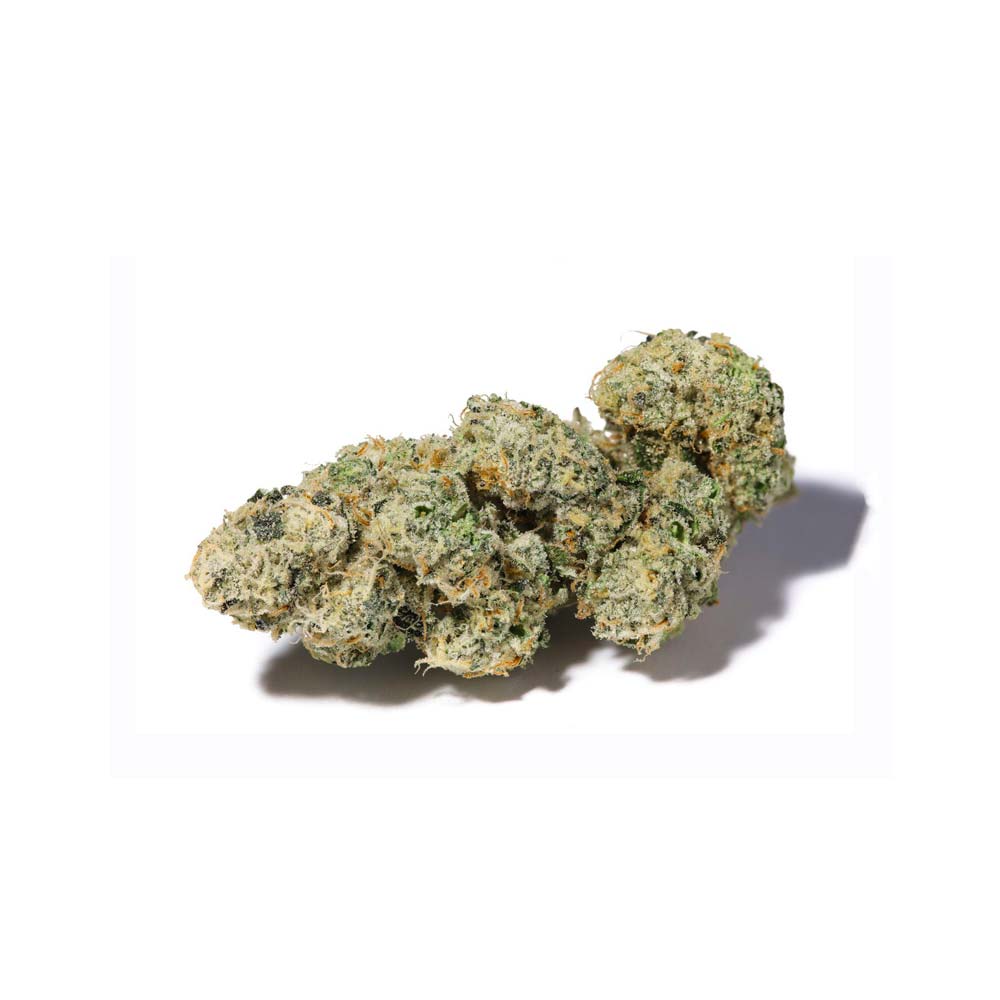
Medical cannabis has been legal in the United Kingdom since November 2018, when the regulations changed to allow specialist doctors to prescribe cannabis-based medicinal products to patients with specific medical conditions. Understanding how to take medical cannabis UK properly is essential for safe and effective treatment. This comprehensive guide explains the various administration methods available to patients.
Legal Status of Medical Cannabis in the UK
Before exploring administration methods, it’s important to understand the legal landscape. Medical cannabis in the UK is only available through prescription from a specialist doctor in hospital settings. Currently, NHS prescriptions for cannabis-based medicinal products remain extremely limited, with only a handful approved annually. Most patients obtain medical cannabis through private clinics, with costs ranging from £150 to £500+ per consultation.
According to recent data, approximately 6,600 prescriptions for cannabis-based medicinal products were issued between November 2018 and March 2021. This relatively small number reflects the strict criteria for prescribing, which typically includes conditions such as multiple sclerosis, epilepsy, and chronic pain where conventional treatments have failed.
Oral methods are among the most common ways to take medical cannabis UK. These include capsules, tablets, and oils taken by mouth. The primary advantage of oral administration is ease of use and precise dosing, as each dose is pre-measured by the manufacturer.
Oil and Tinctures: Cannabis oils are among the most popular medical cannabis products in the UK. Patients typically place a few drops under the tongue (sublingual administration) where the cannabinoids are absorbed directly into the bloodstream. This method bypasses the digestive system and typically takes effect within 15-45 minutes. A standard dropper provides consistent dosing, making it ideal for precise medical treatment.
Capsules and Tablets: These standardised products contain specific cannabinoid ratios, often combining CBD (cannabidiol) and THC (tetrahydrocannabinol) in predetermined amounts. Patients simply swallow them with water. Effects typically occur within one to two hours but can last longer than sublingual methods, sometimes lasting 6-8 hours. This makes capsules particularly suitable for patients seeking sustained symptom relief throughout the day.
Inhalation Methods
Inhalation remains a popular administration method for medical cannabis users in the UK, though it requires careful consideration. Medical-grade inhalation differs significantly from smoking.
Dry Herb Vaporisation: Medical vaporisers heat cannabis flower to approximately 180-210°C, releasing cannabinoids without creating smoke. This method provides rapid symptom relief, with effects typically noticed within minutes. Vaporisation is considered safer than smoking as it avoids combustion and the associated toxic byproducts. Many UK private clinics recommend approved vaporisers for patients seeking this administration route.
Vape Pens and Cartridges: Pre-filled vape cartridges containing cannabis distillate or oil provide convenient, discrete inhalation. Effects are felt rapidly, making this method popular for patients requiring immediate symptom relief. However, patients should only use products from regulated UK suppliers to ensure product safety and accurate cannabinoid labelling.
Topical Administration
Topical products allow patients to apply medical cannabis directly to affected areas. These include creams, balms, and patches infused with cannabinoids.
Creams and Balms: Cannabis-infused topical products are applied directly to the skin over affected areas. This method is particularly useful for localised pain, inflammation, and skin conditions. The cannabinoids interact with local receptors without significant systemic absorption, making topicals an excellent option for patients avoiding psychoactive effects. Relief typically occurs within 15-30 minutes.
Transdermal Patches: Though less common in the UK market, transdermal patches deliver cannabinoids through the skin for extended periods. This method provides consistent dosing over 24-72 hours, depending on the patch type, and is ideal for patients with compliance issues or those requiring continuous medication.
Edibles and Other Methods
Edibles include food products infused with cannabis oils or distillates, such as baked goods, chocolates, and beverages. Whilst popular in recreational markets, medical edibles are less common in the UK but available through some private clinics.
Edibles offer precise dosing and prolonged effects lasting 4-8 hours, making them suitable for chronic pain management. However, absorption is slower and more variable than other methods, typically taking 1-2 hours for effects to manifest. This delayed onset sometimes leads to overdosing, as patients mistake lack of effect for inadequate dosing.
Dosing and Safety Considerations
Medical cannabis dosing must be carefully managed. Patients typically begin with low doses, gradually increasing until therapeutic effects are achieved. A typical starting dose for oils might be 2.5-5mg of THC, with adjustments made every few days under medical supervision.
Important safety considerations include potential drug interactions, particularly with medications metabolised through the cytochrome P450 system. Patients should always inform their prescribing doctor of all medications and supplements. Additionally, medical cannabis may impair driving ability; UK law treats cannabis the same as other impairing drugs under driving regulations.
Choosing Your Administration Method
The optimal administration method depends on several factors: symptom type, desired onset time, treatment duration, and personal preference. Rapid-onset conditions may benefit from inhalation or sublingual methods, whilst chronic symptoms might suit oral capsules or transdermal patches.
Your specialist doctor should guide method selection based on your specific condition and medical history. Many patients find combination approaches effective, using fast-acting methods for acute symptoms and sustained-release products for baseline symptom management.
Obtaining Medical Cannabis in the UK
To access medical cannabis in the UK, patients must obtain a prescription from a specialist doctor, typically through private consultation. The procedure involves detailed medical assessment, discussion of previous treatments, and clear documentation of why conventional therapies have failed.
Reputable UK clinics conduct thorough consultations via telemedicine or in-person visits, ensuring appropriate prescribing. Costs vary but expect to budget for consultation fees, product costs, and potential follow-up appointments for dose adjustments.
Conclusion
Understanding how to take medical cannabis UK involves knowledge of multiple administration methods, each with distinct advantages. From oils and capsules to vaporisation and topicals, patients have various options. The most important step is consulting with a qualified specialist doctor who can recommend the appropriate method for your specific medical needs, ensuring safe and effective treatment within the UK’s legal framework.
Medical Disclaimer: The information on this page is for educational purposes only and does not constitute medical advice. Always consult a licensed healthcare professional before starting any new treatment.
https://cannazen.co.uk/wp-content/uploads/2026/01/cosmic-mac-cannabis-doctor-prescription-pharmacy-shop-blute.jpg10001000CannaZen UK Editorial Teamhttps://cannazen.co.uk/wp-content/uploads/2026/01/cannazen-shop-lieferung-cannabis-weed-hemp-online.svgCannaZen UK Editorial Team2026-05-14 20:42:192026-05-23 10:26:31How to Take Medical Cannabis UK – Methods Explained
We may request cookies to be set on your device. We use cookies to let us know when you visit our websites, how you interact with us, to enrich your user experience, and to customize your relationship with our website.
Click on the different category headings to find out more. You can also change some of your preferences. Note that blocking some types of cookies may impact your experience on our websites and the services we are able to offer.
Essential Website Cookies
These cookies are strictly necessary to provide you with services available through our website and to use some of its features.
Because these cookies are strictly necessary to deliver the website, refusing them will have impact how our site functions. You always can block or delete cookies by changing your browser settings and force blocking all cookies on this website. But this will always prompt you to accept/refuse cookies when revisiting our site.
We fully respect if you want to refuse cookies but to avoid asking you again and again kindly allow us to store a cookie for that. You are free to opt out any time or opt in for other cookies to get a better experience. If you refuse cookies we will remove all set cookies in our domain.
We provide you with a list of stored cookies on your computer in our domain so you can check what we stored. Due to security reasons we are not able to show or modify cookies from other domains. You can check these in your browser security settings.
Google Analytics Cookies
These cookies collect information that is used either in aggregate form to help us understand how our website is being used or how effective our marketing campaigns are, or to help us customize our website and application for you in order to enhance your experience.
If you do not want that we track your visit to our site you can disable tracking in your browser here:
Other external services
We also use different external services like Google Webfonts, Google Maps, and external Video providers. Since these providers may collect personal data like your IP address we allow you to block them here. Please be aware that this might heavily reduce the functionality and appearance of our site. Changes will take effect once you reload the page.
Google Webfont Settings:
Google Map Settings:
Google reCaptcha Settings:
Vimeo and Youtube video embeds:
Other cookies
The following cookies are also needed - You can choose if you want to allow them:
Privacy Policy
You can read about our cookies and privacy settings in detail on our Privacy Policy Page.