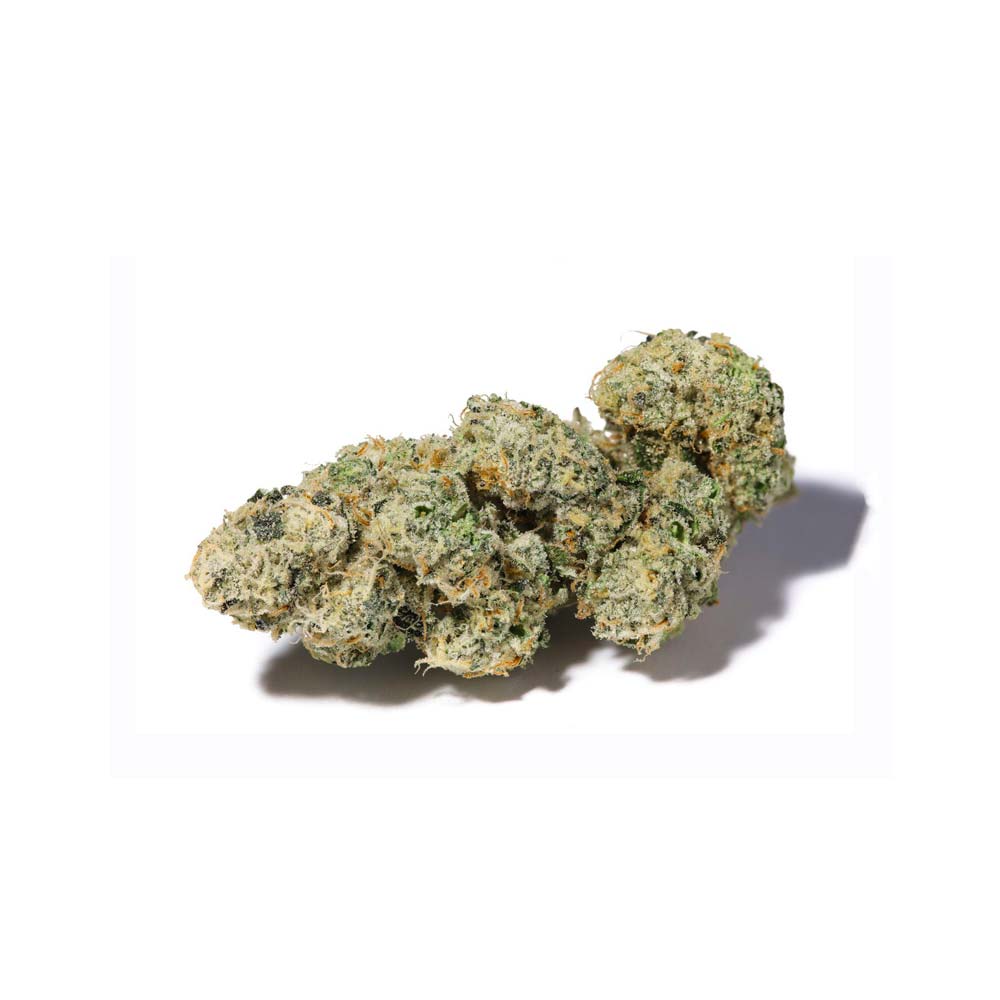
Cannabis Edibles UK — Legal Status, Medical Use, Guide
Cannabis Edibles UK — Legal Status, Medical Use & Comprehensive Guide
Cannabis edibles have become increasingly relevant in the United Kingdom following significant changes to cannabis legislation. This comprehensive guide explores the legal landscape, medical applications, and essential information for UK residents considering or curious about cannabis edibles.
Understanding Cannabis Edibles in the UK
Cannabis edibles are food and beverage products infused with cannabinoids, primarily CBD (cannabidiol) or THC (tetrahydrocannabinol). They include baked goods, gummies, chocolates, oils, and beverages. Unlike smoking or vaping, edibles offer a discrete consumption method with longer-lasting effects, typically lasting 6-8 hours.
The UK cannabis market has experienced substantial growth. Market research indicates the UK CBD market reached approximately £690 million in 2026, with projected annual growth of 15-20% through 2028. However, consumers must understand the critical distinction between legal and illegal cannabis edibles in the UK.
Cannabis remains a controlled substance under the Misuse of Drugs Act 1971. Currently, cannabis edibles containing THC above 0.2% are illegal for recreational use and possession can result in criminal penalties, including imprisonment and fines up to £5,000.
However, CBD-only edibles derived from hemp are legal if they contain less than 0.2% THC and comply with Food Standards Authority (FSA) regulations. The FSA classifies CBD as a novel food, requiring manufacturers to register their products and demonstrate safety data.
Medical cannabis represents an important exception. Since November 2018, doctors can legally prescribe cannabis-based medicinal products for specific conditions under strict circumstances. This applies to NHS prescriptions and private treatment through registered specialists.
Medical Use of Cannabis Edibles
Medical cannabis edibles offer therapeutic potential for various conditions. The Medicines and Healthcare products Regulatory Agency (MHRA) has approved specific cannabis-based medicines including Sativex (oromucosal spray) and whole plant cannabis products through specialist prescriptions.
Recognised medical applications include:
Multiple sclerosis: Cannabis may reduce muscle spasticity and pain, with evidence supporting its efficacy
Epilepsy: CBD shows particular promise for treatment-resistant epilepsy, especially in children
Chronic pain: Medical cannabis can provide relief when conventional treatments prove ineffective
Cancer-related symptoms: Including chemotherapy-induced nausea and appetite stimulation
According to NHS England data, over 500 patients have received medical cannabis prescriptions since 2018, with continued growth in specialist prescribing clinics across the country.
Obtaining Legal Medical Cannabis Edibles
Accessing medical cannabis edibles requires navigating specific channels. NHS prescriptions are available through specialist services, though availability remains limited. Patients must typically have exhausted conventional treatments and meet specific criteria.
Private specialist clinics offer broader access, with treatments ranging from £150-£500 monthly. Reputable providers include clinics operating under GMC-registered doctors with cannabis expertise. Patients should verify practitioner credentials and clinic legitimacy before proceeding.
Licensed pharmacies distribute prescribed cannabis edibles. Legitimate products include clearly labelled, pharmaceutical-grade formulations with verified potency, batch testing, and pharmaceutical licensing documentation.
CBD Edibles — Legal Consumer Guide
CBD edibles represent the most accessible legal option for UK consumers. Products must comply with FSA novel food regulations, displaying clear labelling indicating CBD content, THC levels (under 0.2%), ingredient lists, and batch numbers.
When purchasing CBD edibles:
Verify products are from FSA-registered manufacturers
Check third-party laboratory testing certificates
Confirm THC content is below legal limits
Review customer reviews and company transparency
Consider product potency aligned with personal needs
Reputable UK retailers provide comprehensive product documentation, testing results, and customer support. Prices vary significantly, from £10-£50 depending on CBD content and product type.
Safety Considerations and Side Effects
CBD edibles generally exhibit good safety profiles. Common mild side effects include dry mouth, drowsiness, and appetite changes. Interactions with medications, particularly those metabolised through cytochrome P450 enzymes, require medical consultation.
Dosing guidance suggests starting with 5-10mg CBD daily for beginners, gradually increasing based on individual response. Effects typically manifest 30-90 minutes after consumption, with individual variation depending on metabolism, body weight, and food intake.
Pregnant and breastfeeding individuals should avoid cannabis edibles entirely. Individuals with liver conditions, cardiac issues, or taking medications should consult healthcare providers before consumption.
Practical Advice for UK Consumers
Education and caution should guide cannabis edible use. Distinguish between legal CBD products and illegal THC edibles, recognising that purchasing illegal products carries legal consequences and unknown potency risks.
Store edibles securely away from children and pets, labelling products clearly. Keep receipts and documentation for legal compliance verification. Monitor personal response, documenting effects and adjusting consumption accordingly.
Join reputable UK cannabis advocacy organisations for current information and policy updates. The UK’s cannabis legislation continues evolving, with ongoing medical research and potential regulatory changes.
Future Outlook for Cannabis Edibles UK
Cannabis policy discussions continue evolving within the UK political landscape. Several MPs support decriminalisation or legalisation, particularly for medical applications. Public opinion increasingly supports medical access, with 60% of UK adults favouring legal medical cannabis availability.
Research continues expanding, particularly regarding CBD efficacy for various conditions and long-term safety profiles. The NHS may increase cannabis-based medicine prescribing as evidence strengthens and specialist services expand.
Conclusion
Cannabis edibles UK presents a complex landscape balancing legal restrictions with medical potential. Legal CBD products offer accessible options for interested consumers, whilst medical cannabis remains available through specialist best UK cannabis clinics. Consumers must navigate this carefully, prioritising safety, legality, and evidence-based usage. Stay informed through reputable sources, consult healthcare professionals regarding medical suitability, and remain aware of evolving regulations affecting cannabis edibles in the United Kingdom.
Medical Disclaimer: The information on this page is for educational purposes only and does not constitute medical advice. Always consult a licensed healthcare professional before starting any new treatment.
https://cannazen.co.uk/wp-content/uploads/2026/01/cosmic-mac-cannabis-doctor-prescription-pharmacy-shop-blute.jpg10001000CannaZen UK Editorial Teamhttps://cannazen.co.uk/wp-content/uploads/2026/01/cannazen-shop-lieferung-cannabis-weed-hemp-online.svgCannaZen UK Editorial Team2026-05-14 20:28:112026-05-23 10:44:04Cannabis Edibles UK — Legal Status, Medical Use, Guide
Cannabis Edibles UK — Legal Status, Medical Use, Guide
Cannabis Edibles UK: Legal Status, Medical Use & Comprehensive Guide
Cannabis edibles remain a complex and heavily regulated area in the United Kingdom. Understanding the legal landscape, medical applications, and safety considerations is essential for anyone interested in cannabis products. This comprehensive guide provides accurate, up-to-date information about cannabis edibles in the UK.
Understanding the Legal Status of Cannabis Edibles in the UK
The legal situation surrounding cannabis edibles in the UK is distinctly different from recreational use in many other countries. Cannabis remains a Schedule II controlled substance under the Misuse of Drugs Act 1971, meaning possession without authorisation is illegal.
According to the UK Home Office, cannabis-infused edibles containing tetrahydrocannabinol (THC) are classified as controlled substances. Possession without a valid prescription or licence can result in serious criminal penalties, including imprisonment and fines. The maximum penalty for possession of cannabis is five years imprisonment, though sentences vary depending on circumstances and the amount involved.
CBD edibles, however, occupy a different legal space. Cannabidiol (CBD) products are legal in the UK provided they contain less than 0.2% THC and comply with UK regulations. This distinction has created a legal CBD market separate from THC-containing products.
In November 2018, the UK government reclassified cannabis as a Schedule 2 substance, recognising its potential medical value. This historic decision opened the door for specialist doctors to prescribe cannabis-based medicines when conventional treatments have failed.
The National Institute for Health and Care Excellence (NICE) has reviewed cannabis-based medicines, though their approval remains limited to specific conditions. Currently, cannabis-based products are prescribed primarily for:
Chronic pain conditions
Multiple sclerosis spasticity
Chemotherapy-induced nausea and vomiting
Severe treatment-resistant epilepsy
Access to medical cannabis through the NHS is extremely restricted. As of 2024, fewer than 5,000 patients have received NHS prescriptions for cannabis-based medicines. Most patients seeking medical cannabis must turn to private clinics, where consultations typically cost £150 to £300, with ongoing monthly prescriptions ranging from £400 to £800.
How Medical Cannabis Edibles Work
When cannabis is consumed as an edible, it undergoes hepatic metabolism in the liver, converting THC into 11-hydroxy-THC, a more potent metabolite. This process means edible effects typically take 1-2 hours to manifest, with peak effects occurring 3-4 hours after consumption.
The duration of effects from edibles extends significantly longer than inhalation methods, typically lasting 6-12 hours depending on dosage, individual metabolism, and food intake. This extended release profile can provide sustained therapeutic benefits for conditions like chronic pain and sleep disorders.
Medical edibles prescribed in the UK are typically available as oils, capsules, or specially formulated products with precise dosing information. Accurate dosing is crucial for therapeutic efficacy and minimising adverse effects.
Safety Considerations for Cannabis Edibles
Safety should be paramount when considering cannabis products. Several important safety principles apply:
Dosing Precision: Medical-grade edibles contain clearly labelled dosage information. The common advice in cannabis medicine is to “start low and go slow,” beginning with minimal doses and gradually increasing as needed and tolerated.
Drug Interactions: Cannabis can interact with numerous medications, particularly those metabolised through the cytochrome P450 system. Patients taking medications should consult healthcare providers before cannabis use.
Storage Safety: Medical cannabis edibles must be stored securely, away from children and pets. Accidental ingestion by children remains a significant safety concern in jurisdictions where edibles are legal.
Impaired Judgment: Cannabis-containing edibles can impair driving ability and cognitive function. Users should avoid operating vehicles or machinery within several hours of consumption.
CBD Edibles: A Legal Alternative in the UK
For those unable to access medical cannabis prescriptions, CBD edibles represent a legal option. The UK CBD market has grown substantially, with market research suggesting the industry was valued at approximately £320 million in 2023.
CBD edibles are available as gummies, chocolates, teas, and infused beverages. However, quality varies significantly across the market. The FSA reports that approximately 30% of CBD products contain less CBD than labelled, and some contain detectable levels of THC despite legal requirements.
When selecting CBD products, consumers should:
Choose products from reputable manufacturers with third-party testing
Verify THC content remains below 0.2%
Check for appropriate labelling and batch information
Review available research on efficacy for specific conditions
Accessing Medical Cannabis in the UK
Patients interested in exploring medical cannabis should follow these steps:
Consult Your GP: Discuss cannabis with your GP. They may refer you to a specialist if they believe you might benefit from cannabis-based medicines.
Private Specialists: Clinics offering specialist cannabis consultations include facilities in major UK cities. These doctors assess your medical history and suitability for cannabis treatment.
Specialist Assessment: Proper assessment includes evaluation of previous treatments, current medications, medical history, and contraindications.
Private Prescription: If approved, private prescriptions must be dispensed through registered pharmacies licensed to handle controlled substances.
The Future of Cannabis Edibles in the UK
Current policy suggests cannabis edibles will remain strictly regulated in the UK. Calls for further legalisation or decriminalisation continue from patient advocacy groups and some medical professionals, but significant changes appear unlikely in the near term.
The UK government’s 2023 statement reaffirmed its stance against recreational legalisation, though ongoing research into medical applications continues through regulated channels.
Conclusion
Cannabis edibles in the UK exist within a tightly controlled legal framework. Whilst medical applications are recognised and available through specialist channels, access remains limited and expensive. CBD edibles offer a legal alternative for many, though product quality remains inconsistent across the market.
Anyone considering cannabis products should prioritise consultation with qualified healthcare professionals, understand the legal implications, and ensure products meet UK regulatory standards. As cannabis research progresses globally, the UK medical establishment continues evaluating evidence for expanded therapeutic applications, though significant policy shifts appear unlikely without substantial changes in the regulatory landscape.
Medical Disclaimer: The information on this page is for educational purposes only and does not constitute medical advice. Always consult a licensed healthcare professional before starting any new treatment.
https://cannazen.co.uk/wp-content/uploads/2026/01/cosmic-mac-cannabis-doctor-prescription-pharmacy-shop-blute.jpg10001000CannaZen UK Editorial Teamhttps://cannazen.co.uk/wp-content/uploads/2026/01/cannazen-shop-lieferung-cannabis-weed-hemp-online.svgCannaZen UK Editorial Team2026-05-14 20:27:582026-05-15 18:51:58Cannabis Edibles UK — Legal Status, Medical Use, Guide
We may request cookies to be set on your device. We use cookies to let us know when you visit our websites, how you interact with us, to enrich your user experience, and to customize your relationship with our website.
Click on the different category headings to find out more. You can also change some of your preferences. Note that blocking some types of cookies may impact your experience on our websites and the services we are able to offer.
Essential Website Cookies
These cookies are strictly necessary to provide you with services available through our website and to use some of its features.
Because these cookies are strictly necessary to deliver the website, refusing them will have impact how our site functions. You always can block or delete cookies by changing your browser settings and force blocking all cookies on this website. But this will always prompt you to accept/refuse cookies when revisiting our site.
We fully respect if you want to refuse cookies but to avoid asking you again and again kindly allow us to store a cookie for that. You are free to opt out any time or opt in for other cookies to get a better experience. If you refuse cookies we will remove all set cookies in our domain.
We provide you with a list of stored cookies on your computer in our domain so you can check what we stored. Due to security reasons we are not able to show or modify cookies from other domains. You can check these in your browser security settings.
Google Analytics Cookies
These cookies collect information that is used either in aggregate form to help us understand how our website is being used or how effective our marketing campaigns are, or to help us customize our website and application for you in order to enhance your experience.
If you do not want that we track your visit to our site you can disable tracking in your browser here:
Other external services
We also use different external services like Google Webfonts, Google Maps, and external Video providers. Since these providers may collect personal data like your IP address we allow you to block them here. Please be aware that this might heavily reduce the functionality and appearance of our site. Changes will take effect once you reload the page.
Google Webfont Settings:
Google Map Settings:
Google reCaptcha Settings:
Vimeo and Youtube video embeds:
Other cookies
The following cookies are also needed - You can choose if you want to allow them:
Privacy Policy
You can read about our cookies and privacy settings in detail on our Privacy Policy Page.